OpenSanctions barred in Germany from listing Usmanov under EU sanctions
A Hamburg court has ordered OpenSanctions not to show Alisher Usmanov as subject to EU sanctions in Germany after his removal from the list. The preliminary order treats the database operator as responsible for its presentation of the data and can be challenged.
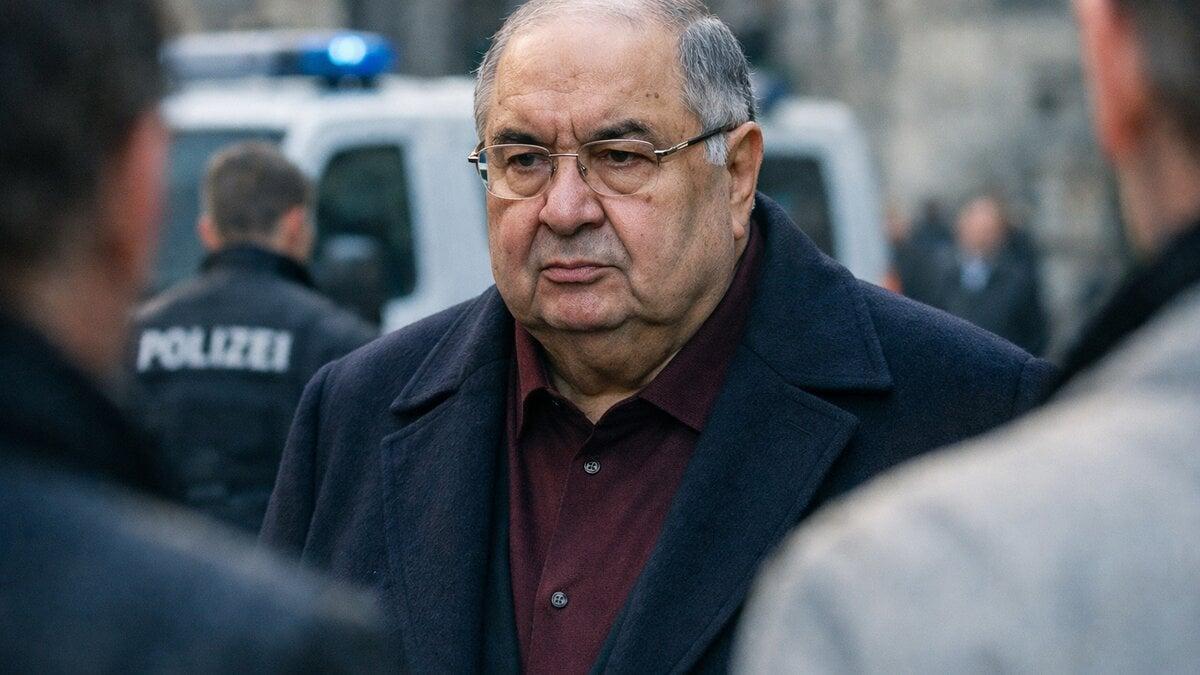
A German court has barred OpenSanctions from stating in Germany that billionaire Alisher Usmanov is under European Union sanctions, after his removal from the EU list. The preliminary order puts responsibility for the database’s presentation on its operator, the Hamburg Regional Court said.
The ruling affects sanctions information used by banks, payment firms and corporate compliance teams to screen customers. It applies only in Germany, and OpenSanctions can object.
The court’s 24th civil chamber issued the injunction on November 18 without an oral hearing, citing urgency. Usmanov’s lawyers at Hamburg firm Steinhöfel had applied for the order.
The court set a potential fine of up to €250,000 for each breach and placed the costs of the proceedings on Berlin-based OpenSanctions Datenbanken GmbH. It set the value in dispute at €20,000.
Court faults database presentation
The order covers two entries that appeared in the sanctions table on Usmanov’s profile on October 6. One cited the Council of the European Union and the other the European Commission’s financial services directorate. Neither gave an end date.
The court found that an average reader would understand the entries to mean Usmanov had been under EU sanctions since February 28, 2022, and remained subject to them on October 6. By then, he had been removed from the EU list.
The judges rejected the company’s argument that the table merely reflected the state of its sources. OpenSanctions deliberately collected and presented data for customers, rather than acting only as a technical distributor, the court said.
The court cited company documentation saying OpenSanctions captures new EU listings directly and quickly. Removals, by contrast, are reflected only after the consolidated text is published, the judges noted.
OpenSanctions’ guidance tells listed people to allow up to one week for a removal to appear after an authority processes it.
The company had already deleted the contested presentation, the ruling records. The court nevertheless found a risk of repetition because OpenSanctions still considered the presentation permissible.
EU removal followed negotiations
EU ambassadors agreed on September 22 to remove Usmanov and fellow billionaire Mikhail Fridman as part of negotiations to renew other Russia-linked sanctions.
The agreement extended sanctions on about 3,000 individuals and entities for three years rather than six months. France had pressed for Usmanov’s removal on national security grounds, while Luxembourg sought Fridman’s removal.
Latvia abstained and placed both men on its national sanctions list. Usmanov’s OpenSanctions profile, last changed on November 16, lists that measure alongside sanctions from the UK, Canada, Australia, New Zealand and Ukraine.
OpenSanctions can lodge an objection to the preliminary order at any time, which would lead to an oral hearing.
 Take the quizWhat Kind of Holiday Spender Are You? Take the Black Friday QuizStart →



 Markets · FintechHow to Calculate Compound Interest: Formula, Examples and the Rule of 72
 Lifestyle · Food & HealthNormal Blood Pressure Chart by Age: Healthy Ranges Explained
 Lifestyle · Food & HealthWhat Is Raynaud’s Syndrome? Why Fingers Turn White in the Cold
 Lifestyle · Food & Health4 Ways Walking After Meals Helps Your Body, Doctors Say