Andy Burnham Opens Door to UK Rejoining EU in Future Talks
Prime Minister Andy Burnham will explore closer UK ties with the European Union after agreeing trade and youth mobility deals. Foreign Secretary Ed Miliband said rejoining the bloc could be considered in future discussions, though he ruled out changes to Labour’s current commitments during this Parliament.
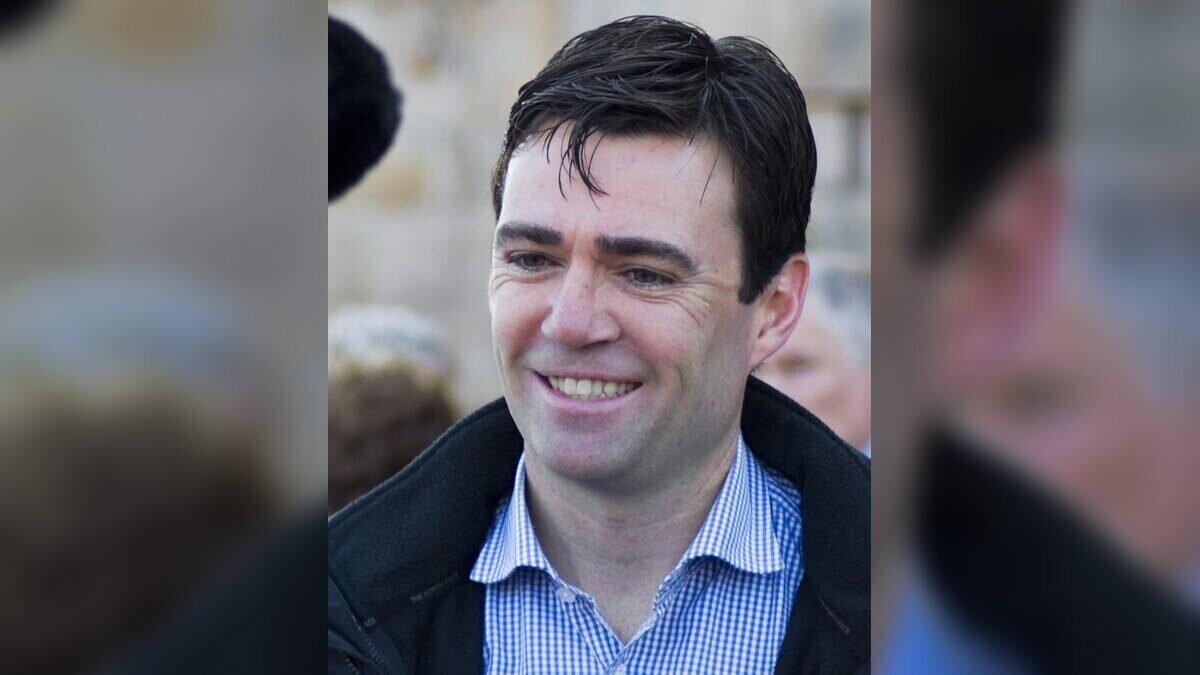
Prime Minister Andy Burnham will consider whether Britain could rejoin the European Union in future talks, Foreign Secretary Ed Miliband said. The discussion follows agreements in Brussels on food trade, emissions and youth mobility that will reshape parts of the post-Brexit relationship.
Miliband said “all the options will be on the table” in informal discussions with European leaders over the next year. He said the new agreements were the limit of what could be done before the next general election.
Burnham has previously said he wants Britain to rejoin the EU in his lifetime. He has also said he would be pragmatic about any decision.
His forthcoming 10-year plan will explore closer ties after the next election. Informal discussions with Brussels are planned before the next UK-EU summit.
Labour’s 2024 manifesto ruled out returning to the EU, its single market or customs union, and restoring freedom of movement. Miliband said the government was respecting those commitments during this Parliament.
Trade and youth deals agreed
The food trade agreement will end most post-Brexit checks and restrictions on food and agricultural products from March 1, 2028. It covers the health rules applied to those goods.
An agreement linking emissions trading systems will apply from the start of 2028. It will exempt £6.5 billion of British exports, including steel and aluminum, from EU carbon border taxes.
A youth mobility scheme will allow UK and EU citizens aged 18 to 31 to live and work in each other’s jurisdictions for up to three years. The scheme will offer 100,000 visas each year.
Government documents say the first young people will travel under the scheme no later than January 2030. Burnham said the overall agreement would add 0.5% to UK gross domestic product, a £17 billion boost to the economy.
The UK and EU also agreed to closer cooperation on migration and a Channel action plan aimed at people-trafficking operations.
Student fees remain disputed
EU member states want their students to pay the same university tuition fees as British students. The UK has resisted the proposal because of the financial impact on universities.
A six-month deadline has been set to reach agreement. The disagreement has raised doubts over whether the wider deals could be implemented, although Miliband said the trade and youth agreements would go ahead.
European Commission President Ursula von der Leyen said she was “confident we are going to find a solution.”
Conservative leader Kemi Badenoch warned that the youth scheme could intensify competition for jobs. Reform UK leader Nigel Farage accused Burnham of going against a pledge not to reopen Brexit arguments.
 Take the quizWhat Kind of Holiday Spender Are You? Take the Black Friday QuizStart →




 Markets · FintechHow to Calculate Compound Interest: Formula, Examples and the Rule of 72
 Lifestyle · Food & HealthNormal Blood Pressure Chart by Age: Healthy Ranges Explained
 Lifestyle · Food & HealthWhat Is Raynaud’s Syndrome? Why Fingers Turn White in the Cold
 Lifestyle · Food & Health4 Ways Walking After Meals Helps Your Body, Doctors Say