ExxonMobil Invokes Treaty to Challenge EU Carbon Storage Rules
ExxonMobil subsidiaries have filed an arbitration notice against the European Commission over rules requiring oil and gas producers to help build carbon storage capacity. The companies say the requirements breach investment protections and plan to seek temporary relief from their obligations.
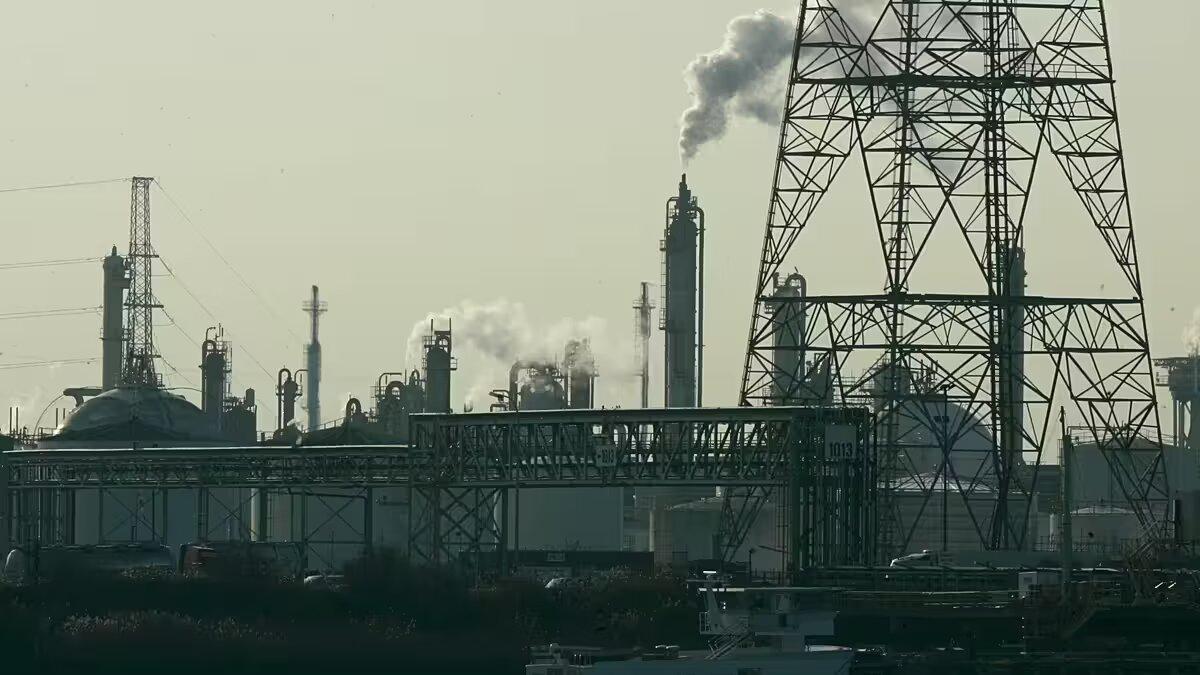
ExxonMobil subsidiaries have filed an arbitration notice against the European Commission over carbon storage rules affecting 44 major oil and gas producers. The companies are invoking an investment treaty as they challenge requirements to help expand the European Union’s carbon dioxide storage capacity.
The subsidiaries, based in Belgium, Luxembourg and the Netherlands, allege that the rules breach investment protections. They plan to seek temporary relief suspending their obligations.
The EU’s Net Zero Industry Act sets a target of at least 55.1 million tons (50 million metric tonnes) of annual carbon dioxide injection capacity by December 31, 2030. It requires authorized oil and gas producers to contribute toward that goal.
ExxonMobil cited high costs and slow permitting as reasons it cannot comply. Its subsidiaries invoked the Energy Charter Treaty, which allows energy companies to challenge government actions that threaten anticipated earnings.
The treaty was originally intended to protect investments in formerly communist countries. The EU has also relied on government funding and voluntary investment to expand carbon storage capacity.
The Commission is examining the notice and preparing a response. It declined to comment on ongoing litigation, while ExxonMobil did not respond to a request for comment.
Environmental organization Bellona warned that the case could hamper the development of a functioning carbon capture and storage market. Its policy advisor William Druet argued against using investment arbitration to seek compensation over requirements to accelerate investment.
Bergur Rasmussen, head of advocacy group CCS Europe, said Commission data showed 3.9 million tons (3.54 million metric tonnes) of annual injection capacity in operation. Projected capacity would reach 29.9 million tons (27.1 million metric tonnes), below the 2030 target.
Models project that roughly 275.6 million tons (250 million metric tonnes) of annual storage capacity would be needed to meet the EU’s 2040 target of cutting net emissions by 90%.
A Yara facility in Sluiskil, in the Netherlands, is designed to remove 800,000 tons of carbon dioxide each year and lower the plant’s emissions by 25%. The gas will be liquefied, shipped and stored beneath Norway’s seabed through the Northern Lights project.
European Climate Action Commissioner Wopke Hoekstra discussed the facility on September 7. He said carbon capture “isn't a silver bullet solution to the climate crisis,” while pointing to its potential in steel, cement and aluminum production.
 Take the quizWhat Kind of Holiday Spender Are You? Take the Black Friday QuizStart →





 Markets · FintechHow to Calculate Compound Interest: Formula, Examples and the Rule of 72
 Lifestyle · Food & HealthNormal Blood Pressure Chart by Age: Healthy Ranges Explained
 Lifestyle · Food & HealthWhat Is Raynaud’s Syndrome? Why Fingers Turn White in the Cold
 Lifestyle · Food & Health4 Ways Walking After Meals Helps Your Body, Doctors Say