Trump’s Gas Price Claim Ignores Pre-Election Decline
President Donald Trump suggested gasoline prices were held up until after the midterm elections. Federal data show prices had already been falling. Energy analysts point to easing refinery problems, seasonal demand and lower crude oil prices as factors in the decline.
President Donald Trump suggested US gasoline prices were kept high until after the midterm elections. Federal data show the decline began earlier. The national average for regular gasoline fell to about $3.63 per gallon in the week ending November 16, from $4.34 in the week ending September 21.
Gasoline prices have dropped about 75 cents per gallon since September 24. They remain about 69 cents higher than at the same time a year ago.
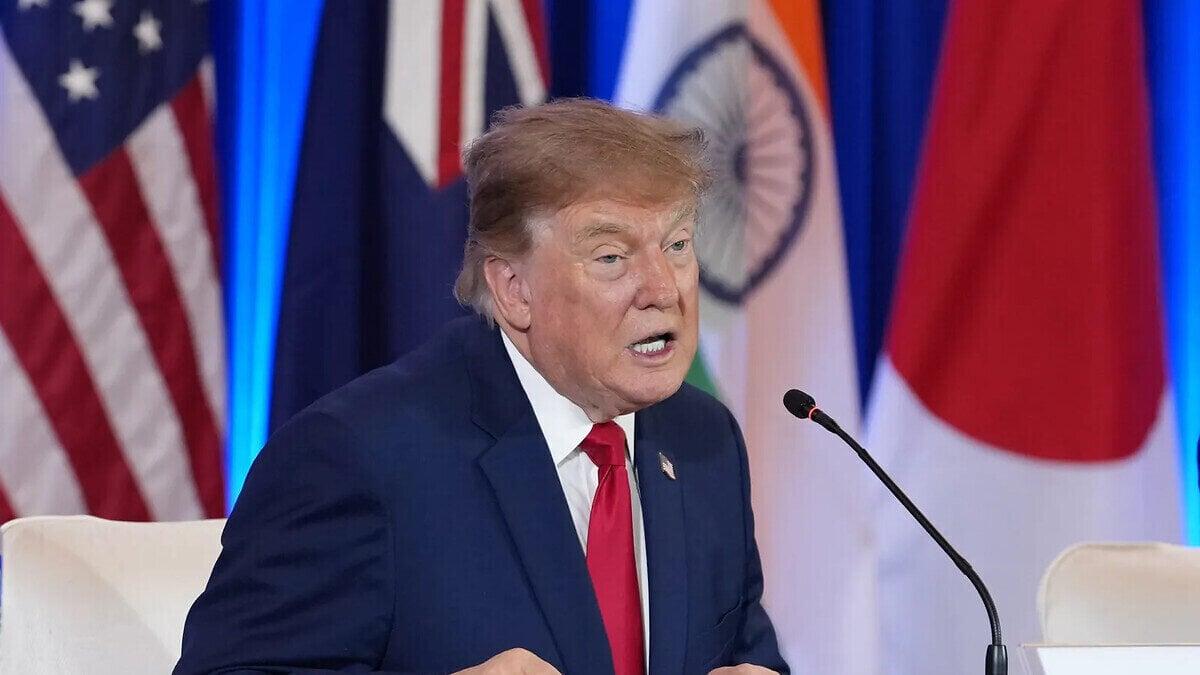
In a November 17 social media post, Trump pointed to a large drop in gasoline prices and suggested unidentified people had waited until after the election. The White House did not respond to a request to clarify whom he meant.
Prices fell before the vote
Average retail gasoline prices had been falling for more than a month before the November 3 midterms. Trump himself noted falling oil prices in a social media post on November 2.
Crude oil is the main component of gasoline. Its price fell from $110 a barrel on October 19 to $100 the day before the election, according to the Energy Information Administration. It was around $87 a barrel on November 19.
At a November 20 press conference, Trump said crude prices had plummeted after the election. He said they were down 20% since the start of November and close to $80 a barrel.
Refinery problems and seasonal demand
Patrick De Haan, head of petroleum analysis at fuel-price tracker GasBuddy, said the gasoline decline reflected seasonal factors and the resolution of refinery problems. He also credited US military efforts to help oil move through the Strait of Hormuz.
De Haan said power outages at a Chicagoland refinery in early September helped drive a surge that spread to Midwest states. Prices leveled off on September 24 and then fell as refining problems eased, he said.
Demand typically falls as temperatures cool and Americans drive less, De Haan said. He also pointed to the switch back to winter gasoline in mid-September.
De Haan rejected the idea of political manipulation. “There’s no they. It’s just the market,” he said.
Oil supply and refinery profits
Tom Kloza, chief energy adviser for Gulf Oil, said crude prices softened as more oil came from outside the Middle East and global demand weakened modestly. He also cited a lack of Chinese buying over eight months.
Kloza said a lack of new US or Israeli initiatives in the Middle East had helped soften prices. He added that gasoline and diesel inventories tend to build in the final 45-60 days of a year.
Refiners’ profits from diesel and jet fuel are high enough to let them produce gasoline at a loss, Kloza said. He expects gasoline prices to fall further because the markup is higher than normal.
 Take the quizWhat Kind of Holiday Spender Are You? Take the Black Friday QuizStart →


 Markets · FintechHow to Calculate Compound Interest: Formula, Examples and the Rule of 72
 Lifestyle · Food & HealthNormal Blood Pressure Chart by Age: Healthy Ranges Explained
 Lifestyle · Food & HealthWhat Is Raynaud’s Syndrome? Why Fingers Turn White in the Cold
 Lifestyle · Food & Health4 Ways Walking After Meals Helps Your Body, Doctors Say