India weighs export curbs on non-Basmati rice
India is considering a 30% export duty and a minimum export price for non-Basmati rice as domestic prices rise. Officials have reserved a temporary export ban as a last resort, while exports of non-Basmati rice rose 7% during April-October from a year earlier.
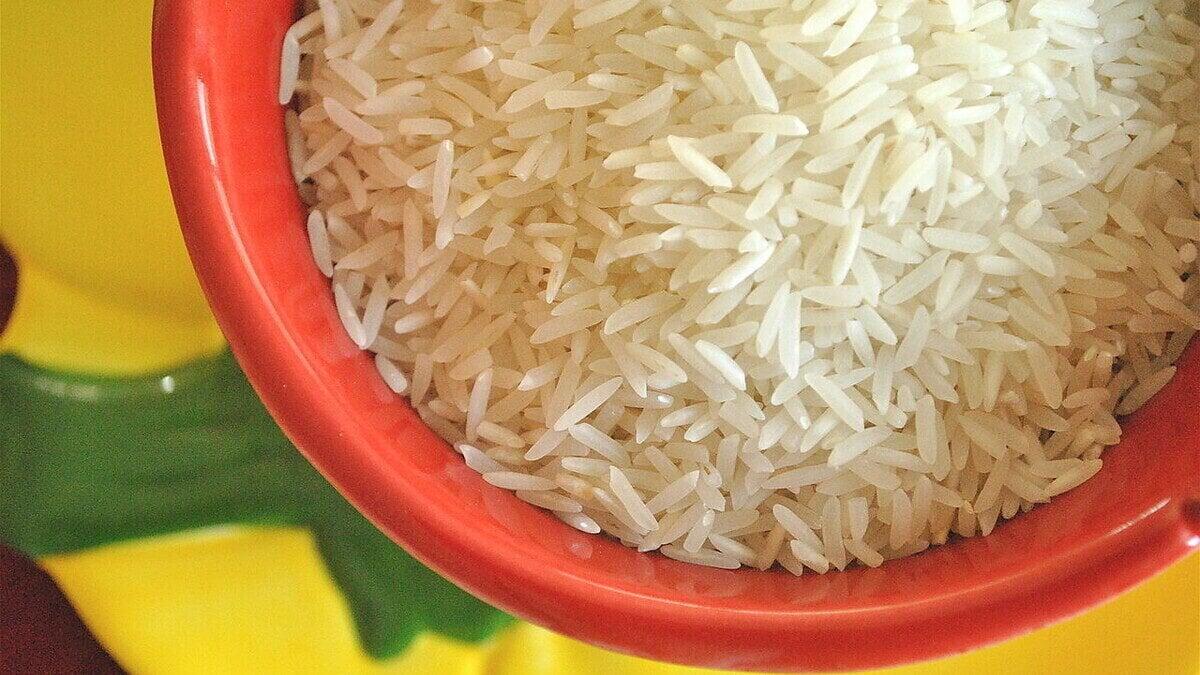
India is weighing curbs on non-Basmati rice exports, including a 30% duty and a minimum export price, to cool domestic prices. An official source said a temporary ban would be a last resort, with restrictions introduced in stages according to price movements.
Rice inflation reached 12.51% in October, up from 8.27% in September. Food inflation rose to 8.94% from 7.74% over the same period.
The proposed duty would make Indian non-Basmati white rice less competitive internationally. A minimum export price would set a floor for overseas sales.
Indian rice costs less overseas
In the first week of November, Indian white rice with 5% broken grains cost $384-389 per tonne, according to sources familiar with the discussions. Prices from Pakistan, Thailand and Vietnam were higher when the proposal went before a panel of officials from different ministries.
The comparison uses prices before shipping costs, known as free-on-board prices.
| Origin | Price per tonne |
|---|---|
| India | $384-389 |
| Pakistan | About $415 |
| Thailand | $495 |
| Vietnam | $480 |
Sources said a 20% duty would still leave Indian rice cheaper than supplies from Thailand and Vietnam. Pakistani rice alone would be cheaper under that option, they said.
Strong international demand helped lift India's non-Basmati rice exports, including paddy and seed, by 7% to 8.84 million tonnes during April-October of the current fiscal year. Exports totaled 8.28 million tonnes a year earlier.
White rice shipments rose more than 18% to 2.82 million tonnes. Broken rice exports rose 74% to 0.98 million tonnes, while parboiled rice shipments fell 5% to 4.87 million tonnes.
Government expands domestic rice sales
On November 6, the government doubled its 2026-27 target for rice sales through domestic electronic auctions to 50 lakh tonnes. It had sold 25 lakh tonnes in the seven months to October.
It also asked cooperatives NAFED, NCCF and Kendriya Bhandar to expand sales of subsidized Bharat Rice, particularly in southern states.
Rice inflation in October reached 43.2% in Karnataka and 25.7% in Andhra Pradesh. It was 24.6% in Telangana, 17.4% in Tamil Nadu and 9.4% in Kerala.
The government directed traders, retailers, wholesalers, processors and millers to declare stocks of rice and paddy separately every Friday. Five southern states were also permitted to impose stock limits if needed.
Planting area declines
Paddy acreage for the 2026-27 Kharif season fell about 4% to 42.68 million hectares as rainfall was deficient in many states. The figure covers both Basmati and non-Basmati rice.
Trade and industry estimated Kharif production at around 112-115 million tonnes. The government has yet to issue its first production estimate.
India produced 124.76 million tonnes of rice in Kharif 2025-26.
 Take the quizWhat Kind of Holiday Spender Are You? Take the Black Friday QuizStart →



 Markets · FintechHow to Calculate Compound Interest: Formula, Examples and the Rule of 72
 Lifestyle · Food & HealthNormal Blood Pressure Chart by Age: Healthy Ranges Explained
 Lifestyle · Food & HealthWhat Is Raynaud’s Syndrome? Why Fingers Turn White in the Cold
 Lifestyle · Food & Health4 Ways Walking After Meals Helps Your Body, Doctors Say