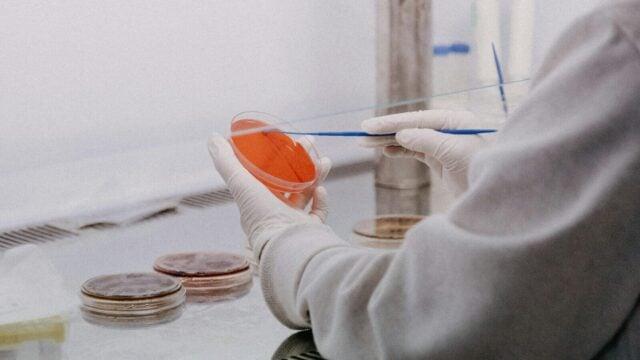
Regeneron Drug Combination Clears Tumors in Mouse Study
A combination of Enhertu and an experimental antibody eliminated breast tumors in nine mice, Regeneron researchers found. The animals later rejected the same cancer cells without further treatment. The findings do not establish whether the approach is safe or effective in people.

Regeneron researchers found that an experimental drug combination eliminated breast tumors in nine mice and helped them reject the same cancer cells later. The results offer evidence of an immune response in mice, but the treatment’s safety and effectiveness in people require further evaluation.
The animals needed no further treatment to reject the cells. They had remained tumor-free for at least four weeks before researchers injected them again with the same cancer.
The combination paired Enhertu, an established cancer drug, with an experimental antibody designed to support immune cells. Researchers at US biotechnology company Regeneron Pharmaceuticals conducted the study, which was published in Nature Communications.
All nine mice lost tumors
In the initial breast cancer tests, Enhertu alone produced complete tumor responses in fewer than half the mice, even at the highest dose tested. All nine mice given Enhertu and the experimental antibody became tumor-free.
Enhertu, also known as trastuzumab deruxtecan, uses an antibody to carry a cell-killing payload. The antibody binds to HER2, a growth-related protein, helping deliver the payload to cells carrying it.
The drug is already used for certain breast, stomach and other cancers, depending on tumor characteristics and previous treatments.
The experimental antibody binds to two targets. One part attaches to a protein on tumor cells; the other engages CD28, an activation protein on immune cells called T cells.
A different colorectal tumor grew in the previously treated mice, although its cells also carried HER2. That suggested the immune response recognized features of the original cancer beyond the shared protein.
Researchers found that removing cancer-killing CD8 T cells completely abolished the initial combination’s benefit. The cells were essential to its success in the experiment.
Other combinations showed activity
The team also combined Enhertu with an experimental antibody targeting EGFR, another growth-related protein. The antibody is already in early-stage human trials.
That combination produced tumor rejection in about 75 percent of mice in a breast tumor model more resistant to Enhertu alone.
The EGFR-targeting antibody also worked with fluorouracil, a chemotherapy drug used for colorectal and other cancers. Together, they slowed colorectal tumor growth when either treatment alone had little effect.
That combination retained some activity when either CD8 T cells or natural killer cells, another cancer-killing population, were absent. Its benefit disappeared when both were missing.
Human safety needs further study
The mouse models cannot reproduce the full range of side effects people may experience, including damage to the lungs, gut, heart and skin. Some combinations remained effective with lower drug doses or less frequent chemotherapy.
Regeneron funded the research. All authors are current or former employees, and provisional patent applications related to the work have been filed.
 Take the quizWhat Kind of Holiday Spender Are You? Take the Black Friday QuizStart →





 Markets · FintechHow to Calculate Compound Interest: Formula, Examples and the Rule of 72
 Lifestyle · Food & HealthNormal Blood Pressure Chart by Age: Healthy Ranges Explained
 Lifestyle · Food & HealthWhat Is Raynaud’s Syndrome? Why Fingers Turn White in the Cold
 Lifestyle · Food & Health4 Ways Walking After Meals Helps Your Body, Doctors Say