
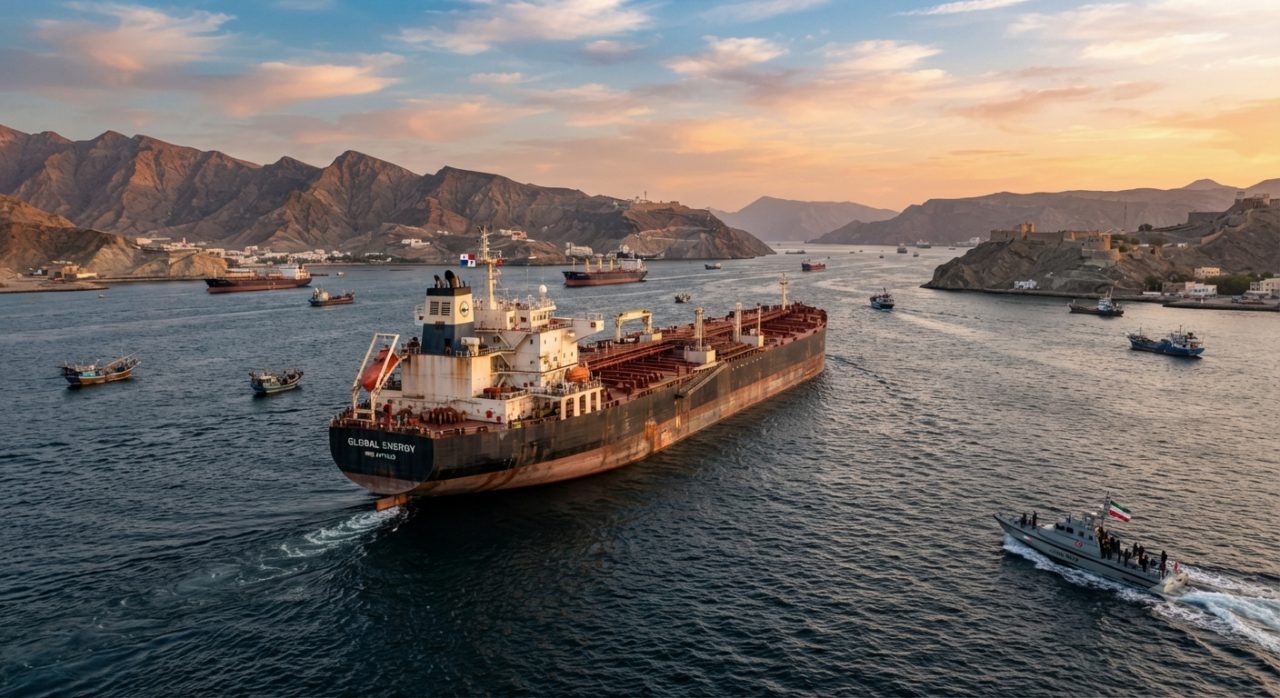
JAKARTA, JOURNALARTA.COM – Global energy market stability is back in focus after the Strait of Hormuz, the world’s most vital artery for crude shipments, was officially reopened for normal trade activity. The move follows easing geopolitical tensions in the Gulf region over the past few weeks. But instead of calming markets, the reopening is raising fresh concern among traders about the possibility of an oil glut.
The Strait of Hormuz is the world’s largest energy chokepoint, with millions of barrels of crude passing through it every day en route to markets in Asia, Europe, and the Americas. During the conflict period, global oil prices had surged sharply on fears of supply disruptions. Now, with shipping flows returning to normal, commodity market analysts are warning that the world may soon face a new challenge: a steep price drop caused by an abundance of oil supply.
Oil Glut Speculation and Its Impact
A number of global energy analysis firms predict that the normalization of shipments through the Strait of Hormuz will flood the market with oil that had previously been held back at ports in the Middle East.
“We are seeing a shift in market sentiment from fear of scarcity to anxiety over oversupply,” said a senior commodities analyst.
Concerns about an oil glut are not without reason. At the same time, global demand from several major industrial countries is showing signs of slowing. The combination of surging supply and weak demand could create deflationary pressure on international crude prices. If not managed properly, this condition is feared to hurt the revenues of oil-exporting countries (OPEC+) and trigger volatility in global financial markets.
OPEC+ Response and Price Stability
The world is now waiting for the next move from the OPEC+ alliance. The main focus is whether they will take further production cuts to maintain market balance, or instead let the market set prices in an effort to pressure U.S. shale oil producers.
If OPEC+ decides to cut production sharply, that may stabilize prices in the short term. However, such a policy risks worsening trade tensions with key consumer countries that are already struggling with energy inflation.
On the other hand, if production is left unrestricted, oil prices could fall to levels that threaten the viability of renewable energy projects, many of which rely heavily on competitive oil prices for investment viability.
Impact on Indonesia
For Indonesia, this dynamic is a double-edged sword. On the one hand, lower global oil prices could ease the national energy subsidy burden and strengthen the trade balance. On the other hand, overly extreme fluctuations often create uncertainty in state budget planning. The government is expected to keep monitoring commodity price trends so that fiscal mitigation measures can be prepared quickly if global oil prices truly plunge.
The world is entering a critical transitional phase. The reopening of the Strait of Hormuz should be good news for global energy security, but behind it, the complexity of the global economy still demands close vigilance from international energy policymakers.
FAQ (Frequently Asked Questions)
Q: Why is the Strait of Hormuz important for global oil supply?
A: The Strait of Hormuz is the world’s most crucial sea route for crude oil exports. About one-third of all global seaborne oil trade passes through this narrow strait every day.
Q: What is an oil glut and why is it a concern?
A: An oil glut is a condition in which global oil supply far exceeds demand. This causes oil prices to plunge, which can hurt producers but benefit consumers through lower fuel prices.
Q: Why can reopening a trade route trigger lower prices?
A: When a trade route reopens, oil that was previously delayed or held back can reach the market in large volumes at once. A sudden increase in market supply (a supply shock) tends to push prices down if demand does not rise at the same time.
Q: What role does OPEC+ play in this situation?
A: OPEC+ acts as a supply manager. They usually hold emergency meetings to decide whether production should be limited so prices do not fall too deeply because of oversupply.
Q: Will fuel prices in Indonesia automatically fall if global oil prices drop?
A: Not always automatically. Fuel price adjustments in Indonesia are influenced by many factors, including government subsidy policy, the rupiah exchange rate, and domestic distribution operating costs.
📝 Leave a Comment
Comment as . Reviewed by an admin before it appears.