Pertamina Cuts Avtur Price 14% Starting July 1
Pertamina cuts avtur prices by 14% from July 1, 2026, with wider declines in several non-subsidized fuels as oil trends shift.
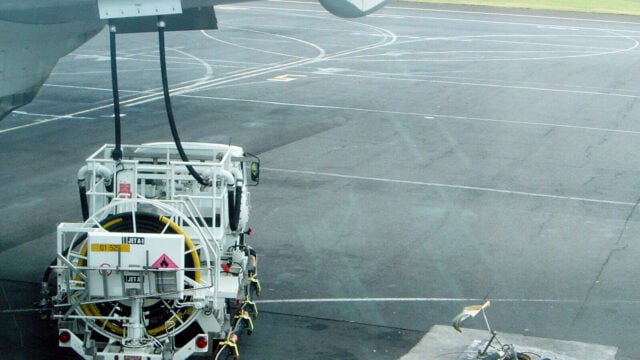
JAKARTA — PT Pertamina Patra Niaga has officially lowered the price of avtur jet fuel for domestic flights by 14 percent as of July 1, 2026. The adjustment directly affects airline operating costs at Soekarno-Hatta International Airport in Tangerang, which serves as the center of Indonesia's national air traffic movement.
Official company data shows avtur prices at Soekarno-Hatta Airport fell to Rp19,190 per liter from Rp22,190 per liter the previous month. The Rp3,000 per liter difference is expected to become a catalyst for efficiency for airlines that have long faced high fuel costs as the largest component in commercial flight operating structures.
Market Price Adjustment Mechanism
Vice President Corporate Communication PT Pertamina Patra Niaga, Kitty Andhora, explained that the pricing policy follows movements in global crude oil prices. Adjustments to non-subsidized fuel prices are made periodically in line with government regulations to maintain competitiveness and corporate accountability.
"This adjustment refers to global oil market dynamics and follows the applicable mechanism. We also held intensive coordination with the government before implementing this policy," Kitty said in an official statement on Wednesday (7/1).
The decision gives relief to Indonesia's aviation industry. In an airline's operating structure, fuel usually accounts for 30 to 40 percent of total travel costs. A 14 percent price drop gives airlines more room to manage cash flow, especially amid strong post-pandemic domestic air mobility demand that continues to grow.
Economists view the move as a logical response to the downward trend in global energy commodity prices over the past few months. Although energy markets remain highly volatile due to geopolitical tensions, the efficiency passed on by Pertamina to the downstream level could help ease inflationary pressure from the transportation sector.
Other Non-Subsidized Fuel Price Cuts
In addition to avtur, Pertamina also adjusted prices for several other non-subsidized fuel products starting in early July 2026. The policy targets private vehicle users and the logistics sector that relies on premium diesel products. Here are the revised prices for several products:
| Product Type | June Price (Rp/L) | July Price (Rp/L) | Drop |
|---|---|---|---|
| Pertamax Turbo | 20,750 | 19,300 | 7% |
| Dexlite (CN 51) | 23,000 | 19,700 | 14% |
| Pertamina Dex (CN 53) | 24,800 | 21,150 | 15% |
The table above shows that diesel engine products such as Pertamina Dex and Dexlite recorded fairly aggressive declines of 14 to 15 percent. This is good news for logistics operators and land transportation businesses that rely heavily on diesel fuel efficiency. Meanwhile, Pertamax Turbo was adjusted by 7 percent, reflecting the different volatility of high-performance gasoline compared with diesel fuel.
Maintaining Quality and Availability
The company said the price cuts would not compromise product quality. Kitty added that Pertamina's main commitment is to ensure every liter of fuel distributed continues to meet strict technical standards. Product specifications such as the cetane number for Dexlite and Pertamina Dex are maintained in line with national fuel quality standards so vehicle engines remain durable and efficient.
"We are committed to delivering competitive prices. At the same time, we continue to ensure product quality remains optimal so consumers get maximum benefits, both for vehicle performance and long-term fuel efficiency," Kitty said.
The adjustment is expected to help maintain public purchasing power amid unpredictable global energy price fluctuations. For consumers, the availability of fuel at evenly distributed gas stations is just as important as the price change itself. Pertamina's current focus remains on keeping distribution smooth across all of Indonesia's operational regions.
Going forward, the market will continue to watch whether the downward trend in global oil prices will persist or face renewed pressure from global geopolitical conditions. Supply uncertainty from oil-producing countries remains the main variable that will determine the direction of energy pricing policy in Indonesia in the second half of 2026. The public and businesses are now waiting to see whether this price cut will be followed by other strategic policies to support a more efficient national logistics ecosystem.