Bali visa on arrival requirements 2026: What travelers need
Bali visa on arrival requirements 2026 remain straightforward for many short-term visitors, but passport validity, onward travel, and the e-VOA process still…
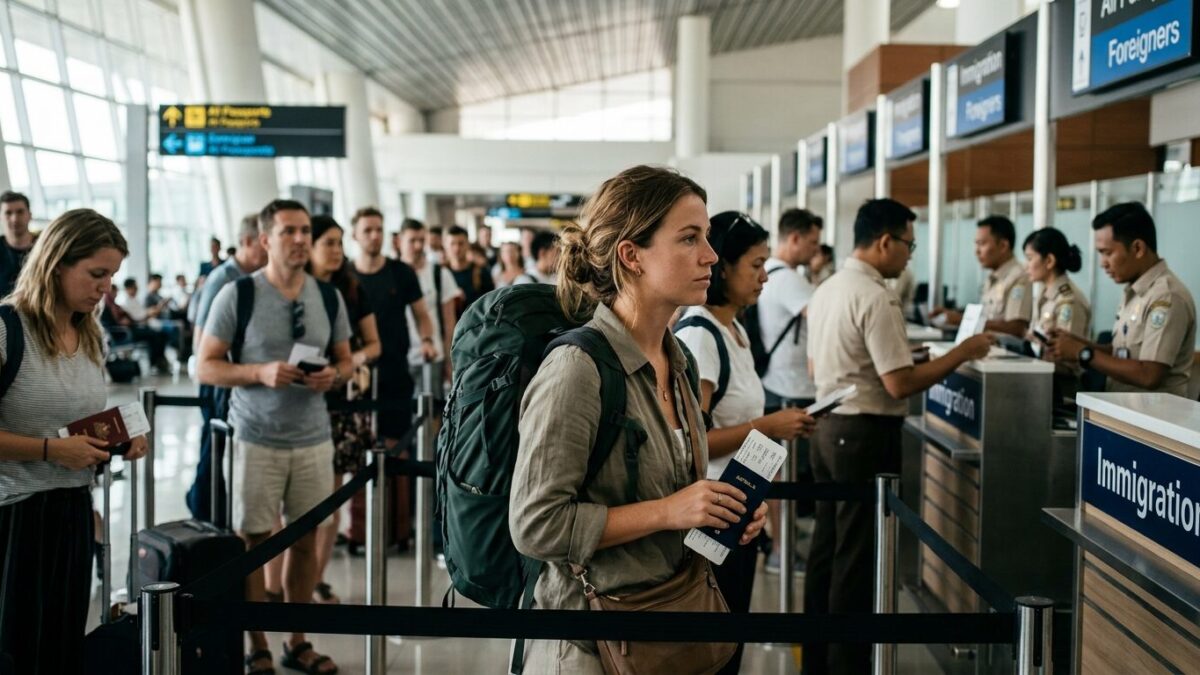
BALI — The bali visa on arrival requirements 2026 remain a key checkpoint for foreign visitors planning short stays in Indonesia, especially those landing in Bali for tourism, family visits, or business meetings. Travelers who arrive without the right documents can face delays at the airport or be turned away at the counter.
The process is still fairly simple. But it is not casual. Immigration officers in Indonesia continue to expect a valid passport, proof of onward travel, and payment for the visa on arrival or its electronic version before entry is completed.
What the Bali visa on arrival covers
Bali’s visa on arrival scheme is designed for short-term visits. It lets eligible foreign nationals enter Indonesia for tourism and several other limited purposes, usually for 30 days with an option to extend once for another 30 days. That makes it useful for travelers who want flexibility without applying for a longer visa in advance.
The visa on arrival is available to citizens of many countries, but not all. Indonesian immigration authorities publish the eligible nationalities list, and that list can change. Travelers should check it before booking a flight, because airline staff often verify entry documents before boarding.
For many visitors, the fastest route is the electronic visa on arrival, known as e-VOA. It allows travelers to apply online before departure, pay in advance, and reduce time spent at the airport. Still, the final entry decision sits with immigration officers on arrival.
Documents officers usually ask for
The most basic requirement is a passport valid for at least six months from the date of entry. That rule remains one of the most common reasons travelers get delayed. A damaged passport can also cause trouble, even if the expiration date is still far away.
Travelers also need proof of onward or return travel. Immigration checks this to confirm the visit is temporary. Many airlines ask for it too. One missing itinerary can become a very expensive problem at check-in.
Payment matters as well. The visa on arrival fee is commonly set at 500,000 rupiah, though travelers should confirm the current rate before departure in case of policy updates or payment system changes. Some arrivals pay at the airport counter, while others use the e-VOA platform before they fly.
A completed customs declaration is also part of the entry process. Indonesia has moved much of that paperwork online, so travelers are expected to fill it out before or on arrival, depending on the airport procedure in place. Keep the confirmation ready on a phone screen. It saves time.
Why the rules matter for Bali travelers
For tourists, these rules affect more than airport queues. They shape trip planning, budgeting, and even flight choices. A traveler who forgets the six-month passport rule may need to renew a passport before departure, while someone without onward travel proof may be denied boarding by the airline itself.
That risk is especially relevant in Bali, where many visitors book flexible stays and extend their trip later. The visa on arrival system gives room to do that, but only within the limits set by immigration. Overstaying can lead to fines and future entry problems.
Travel agents in Bali often advise clients to save digital copies of passports, hotel bookings, and flight details in one place. Simple step. Big difference. It can speed up the airport process and reduce confusion when officers ask for supporting documents.
Indonesia’s tourism push has made Bali one of the country’s most visible entry points, so immigration rules there are watched closely by hotels, airlines, and tour operators. A smoother arrival process helps the island’s travel economy, but the system still depends on travelers arriving prepared.
Those who use the e-VOA route usually find the experience less stressful, since payment and approval happen before departure. But immigration officials still check the passport, the travel purpose, and the length of stay on arrival. The final stamp still matters.
For 2026 travel plans, the safest approach is to verify eligibility, ensure the passport has at least six months left, and carry onward ticket details before the flight leaves. One small oversight can slow the whole trip, and at Bali’s busy entry counters, every minute counts.