Jakarta MRT route map and fares: stations, prices, access
Jakarta MRT route map and fares are straightforward once you know the line, the stops, and how the distance-based pricing works. Here’s what riders, commuters…
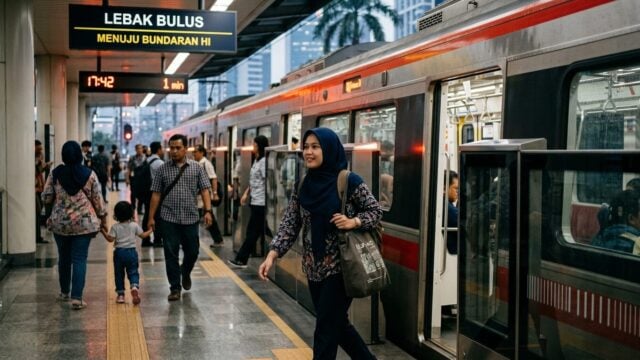
JAKARTA — jakarta mrt route map and fares matter most when the city’s roads clog up and time starts slipping away. The Jakarta MRT’s current North-South Line links the south side of the capital to the central business district, giving commuters a fast rail option that cuts through some of the worst traffic in Indonesia’s biggest city.
The line runs from Lebak Bulus Grab in South Jakarta to Bundaran HI in Central Jakarta, with trains stopping at key points such as Fatmawati Indomaret, Cipete Raya, Haji Nawi, Blok A, Blok M BCA, ASEAN, Senayan, Istora Mandiri, Bendungan Hilir, Setiabudi Astra, Dukuh Atas BNI, and Lebak Bulus on the southern end. For anyone mapping a day across Jakarta, that route is simple, direct, and predictable. No long detours. No mystery transfers.
The fare structure is distance-based, which makes the system easy to understand once you use it a few times. Short rides start low, while the longest trips on the line cost more. In practical terms, Jakarta MRT fares begin at Rp3,000 and can reach Rp14,000 depending on how far you travel. That pricing has helped keep the service accessible for office workers, students, and tourists who want a cleaner, faster ride than sitting in traffic for an hour or more.
Why the route map matters for daily travel
For many riders, the route map is not just a station list. It is the difference between arriving on time and missing a meeting, class, or airport connection. The line connects well with other transport options around the city, especially TransJakarta corridors and commuter access points near Dukuh Atas and Bundaran HI. That makes the MRT a useful backbone, even for people who do not live right beside a station.
That is where the real value shows up. A rider from South Jakarta can reach the central district without fighting peak-hour gridlock on Fatmawati, Sudirman, or MH Thamrin. Visitors can move between shopping areas, office towers, and transit hubs with less friction. The system also helps reduce dependence on private cars and ride-hailing for short inner-city trips. For a city that loses huge amounts of time to congestion, that matters.
Jakarta MRT has also become a reference point for how the capital wants public transport to work: clean stations, clear signage, platform doors, and punctual service. The line is still limited compared with global metro networks, but its role is bigger than its length. It has changed how some residents plan their commute, especially in areas where road travel used to be the only realistic option.
How riders use the fare system
Passengers typically pay through contactless methods supported by the system, including electronic money cards and mobile-linked payment options at stations. That setup keeps queues moving, especially during morning and evening peaks. It also reduces the need to handle cash at the gate, which speeds up entry and exit.
Station facilities are built for quick transfers and clear flow. The trains are frequent enough for most urban trips, and the fare system is designed to reward shorter journeys without making longer ones unaffordable. For a first-time rider, the main thing to check is the destination station before tapping in. Once inside, the route is straightforward. The train follows one main line, and every stop is clearly announced.
Jakarta’s transit network is still expanding, and the MRT remains one of its most visible pieces. Future extensions have been discussed for years, but the current operational line already plays a central role in how the capital moves. Until new tracks arrive, the existing route map and fare structure are the practical tools riders need every day.
For now, the most useful number is simple: Rp3,000 to Rp14,000.