Doctor Dies After Alleged Intimidation by Local Lawmakers in NTT
Dr. Icha died after alleged intimidation by two DPRD members in TTU, NTT. DPR, PKB, and the Health Ministry are now demanding accountability and justice.

JAKARTA — The death of a young doctor in East Nusa Tenggara has shaken Indonesia's parliament after reports surfaced that she endured severe psychological pressure before she passed away. Deputy Chair of House Commission IX Nihayatul Wafiroh publicly condemned the alleged intimidation of Dr. Eliza Princila Utami Pakaenoni — widely known as Dr. Icha — who had been on duty at a hospital in the district of Timor Tengah Utara (TTU).
The fallout extends well beyond grief for her family. Healthcare workers across the region are now traumatized, and the public is demanding concrete legal protection for doctors serving in remote areas — before another tragedy like this happens again.
"Anyone proven to have abused their position or authority must be held accountable under the law," said the legislator, commonly known as Ninik, speaking to reporters in Jakarta.
A Medical Emergency That Spiraled Into Psychological Torment
The incident began on June 13, 2026, at Leona Kefamenanu Hospital in TTU district, East Nusa Tenggara. Dr. Icha was fighting to save a child who had been rushed to the emergency room after a venomous snakebite — a situation that demands quick access to anti-venom serum, a drug that is chronically scarce in remote Indonesian facilities.
Two members of the TTU regional legislature, identified as NT (Norbertus Tubani) and TL (Therensius Lazakar), were relatives of the patient. The two allegedly intervened verbally in an aggressive manner, placing enormous psychological pressure on the treating physician. They reportedly demanded instant results without any understanding of emergency triage protocols or the medical limitations of a district hospital.
The pressure did not end when the emergency did. Dr. Icha subsequently developed severe anxiety and required intensive hospital care herself. Her physical condition deteriorated rapidly. She died on June 26, 2026.
Party Sanctions and a Ministry Investigation
The National Awakening Party (PKB) moved quickly after the story broke. One of the accused lawmakers, Norbertus Tubani, is a party member — and Ninik, who also chairs the PKB Women's Wing (Perempuan Bangsa), made clear that the party would not shield him.
"We will immediately summon the individual concerned for clarification. We guarantee that disciplinary sanctions from the party will follow if his involvement is proven," Ninik stated.
She added that intimidating medical staff on duty runs directly counter to the party's core values. PKB will not tolerate the abuse of political power at the expense of human dignity.
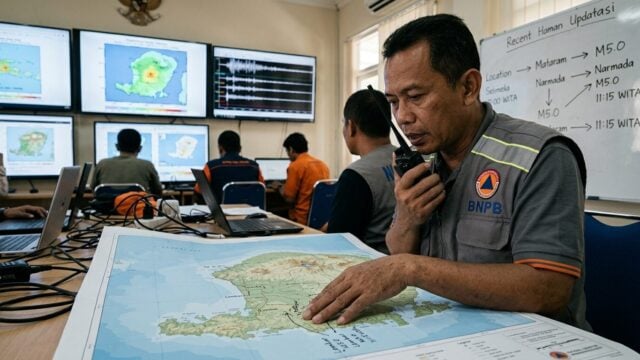
The Ministry of Health responded in parallel. Head of the Ministry's Public Communication Bureau, Aji Muhawarman, confirmed that the Directorate General of Health Human Resources and the Ministry's Inspectorate General have launched a full investigation into the incident. A dedicated team has already been dispatched to Kefamenanu to gather physical evidence and interview eyewitnesses at the hospital.
The Deeper Problem: Doctors in Remote Areas Have Almost No Protection
Dr. Icha's death tears open a wound that has festered for years. Doctors and nurses serving in remote, border, and island regions — known in Indonesia as DTPK areas — operate in conditions most urban physicians would find unimaginable. Minimal equipment. Chronic drug shortages. And an expectation of miracles.
When outcomes fall short — because a referral arrived too late, or a critical drug wasn't available — medical staff are often the sole target of blame. Conflicts between healthcare workers and patients' families or local figures are far more common than official records reflect, according to internal surveys by professional medical organizations.
The Indonesian Medical Association (IDI) in NTT has called on law enforcement to investigate the case thoroughly and without favoritism. IDI also urged local governments to guarantee the physical safety of every doctor working in the province. The warning is pointed: if doctors feel unsafe, they stop showing up — and public health services collapse.
The Health Ministry has pledged to see this case through to its conclusion. An official investigative report from the joint ministerial team is expected to be released to the public soon, with findings on the circumstances surrounding Dr. Icha's death and recommendations for new regulations to protect healthcare workers in conflict-prone areas.
Whether those regulations ever materialize — and whether the lawmakers face real legal consequences — will determine whether Dr. Icha's death changes anything at all.