New Online Tax Rules Start July 1, 2026 in Indonesia
Indonesia’s new online tax rules take effect July 1, 2026, alongside changes for ride-hailing, hajj-umrah travel, and B50 fuel.
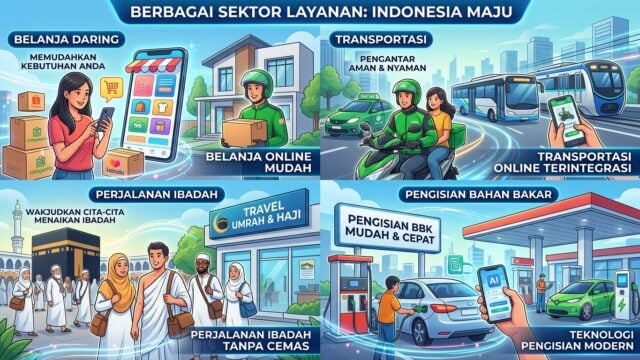
JAKARTA, JOURNALARTA.COM - Entering the second half of 2026, Indonesia is moving into a new regulatory phase. Starting July 1, 2026, the government will officially enforce a package of new rules covering digital taxation, online transportation, pilgrimage travel, and energy resilience.
The policy package is designed to create fairer business competition, improve service workers’ welfare, protect consumers, and support the country’s energy transition. Here is a complete rundown of the key rules you need to know:
1. Taxation: Income Tax Article 22 for Marketplace Sellers
The Directorate General of Taxes under the Ministry of Finance will begin applying Income Tax (PPh) Article 22 withholding for sellers operating on e-commerce platforms.
Not a new tax: The policy is meant to align treatment between online and offline businesses, not add a new tax burden.
- Mechanism: Tax will be withheld directly by platform operators such as Shopee, Tokopedia, TikTok Shop, and similar services, then remitted to the state treasury.
Rate rules:
- Micro, small, and medium businesses with annual turnover of Rp500 million to Rp4.8 billion: Still subject to final income tax of 0.5%
- Taxpayers with annual turnover below Rp500 million: Exempt, and only need to submit a turnover statement and valid NIK/NPWP data to the platform
2. Ride-Hailing: App Commission Capped at 8%
Under Presidential Regulation No. 27 of 2026, the government has set a new ceiling on the commission taken by ride-hailing providers.
- New cap: The commission for motorcycle taxi services is set at a maximum of 8% of the transaction value.
- Goal: Increase driver income and welfare without raising trip fares for users.
- Compliance: Major providers such as Gojek, Grab, and Maxim have confirmed they are ready to apply the rule.
3. Pilgrimage Travel: Special Flow at Soekarno-Hatta Airport
For hajj and umrah pilgrims, the Ministry of Transportation and the Ministry of Religious Affairs have reorganized departure and arrival procedures.
- Rule: Starting July 1, 2026, all special hajj and umrah pilgrims using Soekarno-Hatta International Airport must pass through Terminal 2F.
- Benefit: Makes operations easier, separates passenger flows, and improves comfort and security during pilgrimage travel.
4. Energy Resilience: B50 Fuel Rollout
The government has officially launched a nationwide Biodiesel B50 program starting July 1, 2026.
- Blend: 50% vegetable oil, based on palm oil, and 50% diesel fuel.
- Benefit: Reduces dependence on fossil fuel imports, cuts carbon emissions, and supports domestic agricultural commodity prices.
What Consumers and Businesses Need to Do
The new rules will require adjustments from multiple sides. Online sellers should update their NIK and NPWP data in marketplace accounts as soon as possible. Driver-partners can check their earnings and commission details inside the app. Meanwhile, hajj and umrah pilgrims should make sure their departure route leads to the designated terminal.
Understanding these rules early can help business activity, travel, and mobility run smoothly and in line with the regulations beginning July 1, 2026.
FAQ
Q: Will small sellers be hit by a new tax?
A: No. Sellers with annual turnover below Rp500 million remain exempt from withholding, and only need to complete administrative data.
Q: Will ride-hailing fares rise after the commission cut?
A: The government and service providers have committed to keeping fares affordable for users.
Q: Will all airports apply the special terminal rule for pilgrims?
A: For now, it applies at Soekarno-Hatta Airport, with rules for other airports to be adjusted gradually.
Q: Is B50 safe for older vehicles?
A: According to technical tests by the Ministry of Energy and Mineral Resources, B50 is safe for use in public and commercial vehicles operating in Indonesia.