Prabowo Orders BP Batam to Build Faster Global Maritime Hub Plan
Prabowo pushes BP Batam to fast-track Batam into a global maritime and investment hub, with simpler permits, port upgrades, and investor incentives.
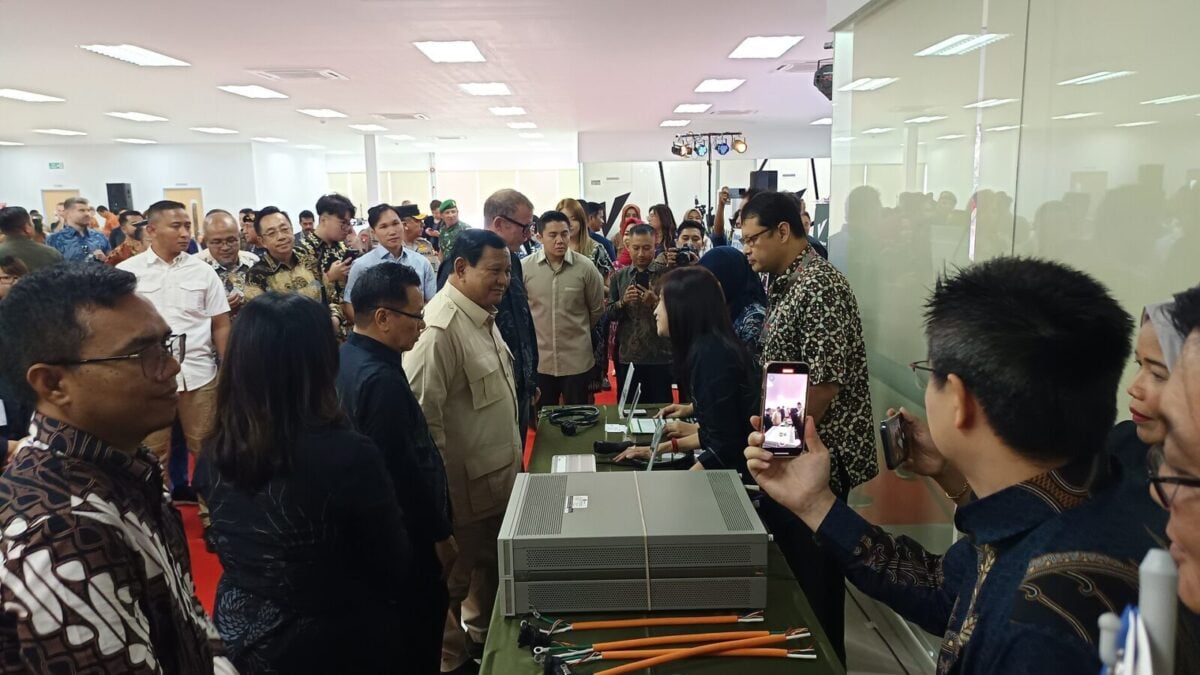
BATAM — President Prabowo Subianto has summoned the leadership of the Batam Indonesia Free Zone Authority (BP Batam) to accelerate the transformation of the Riau Islands into a maritime gateway and a global investment hub. The strategic meeting marked the government’s commitment to propel Batam not only as a regional logistics hub, but also as a magnet for foreign investors to collaborate in the maritime and downstream industries.
In a direct dialogue with BP Batam leaders, Prabowo emphasized three main pillars that must be followed up immediately: easier investment licensing, faster development of world-class port infrastructure, and the creation of a competitive ecosystem to attract foreign capital. Batam, which is geographically strategic in the Strait of Malacca, is seen as a valuable asset to strengthen Indonesia’s position in global maritime trade.
Momentum for Simplifying Permits
One of the main obstacles that has long slowed investment in Batam is the complexity of licensing bureaucracy. Prabowo instructed BP Batam to implement a more transparent and faster one-stop service licensing system. The target approval time for investment projects must be shortened from an average of 3-6 months to a maximum of 2 weeks for strategic projects. This move is in line with the government’s efforts to improve Indonesia’s economic competitiveness in the eyes of international investors.
This simplification is not merely procedural. Foreign investors who previously hesitated because of convoluted administrative processes now have a clear signal that Prabowo is serious about changing the way business is done in Batam. Conflicting regulations across agencies must also be aligned to remove overlapping barriers.
Port Infrastructure: Meeting Global Standards
The government is targeting the completion of the first phase of Batam port infrastructure expansion as a priority over the next 30 days. BP Batam has been asked to prepare a detailed master plan for dock modernization, increased container terminal capacity, and the construction of a multipurpose terminal capable of handling large vessels weighing up to 100,000 deadweight tons.
This infrastructure investment is not just about adding physical facilities. Prabowo also directed the integration of digital technology—real-time cargo tracking systems, e-customs, and blockchain for transaction transparency—so that Batam can stand on par with global hub ports such as Singapore or Rotterdam. Improved operational efficiency will automatically attract international shipping lines to establish their regional hubs here.
Maritime Security and Investor Strategy
Maritime security is a decisive issue that cannot be ignored. Prabowo understands that global investors are highly sensitive to the risks of piracy, theft, and maritime instability. Instructions have been issued to the Coordinating Ministry for Maritime Affairs and Investment to increase sea patrols around Batam and the exclusive economic zone, as well as to coordinate with foreign naval forces operating in the Strait of Malacca. This security commitment is an absolute requirement if large logistics convoys are to pass through Batam waters.
At the same time, visa and investment policy revisions are being prepared. Prabowo approved easier long-term visas (multiple-entry visas) for foreign executives investing in Batam, along with targeted tax incentives for the maritime and logistics sectors. The incentive package will be communicated through investor roadshows in Dubai, Singapore, and Shanghai over the next three weeks.
Batam Becomes a Barometer of Government Execution
Batam’s transformation is not an isolated project. The success or failure of execution on the island will become a barometer of the Prabowo administration’s credibility in carrying out its investment and export-oriented industrialization agenda. If BP Batam shows tangible progress within 30 days—such as reports showing shorter licensing times, the signing of MoUs with strategic investors, or regulatory alignment across ministries—the momentum could continue and be replicated in other locations such as Batang, Central Java, or Sorong, West Papua.
Conversely, if execution is hampered and bureaucracy remains slow-moving, market confidence in the government’s commitment will erode. For that reason, Prabowo has assigned a special coordinator to monitor daily progress and report directly every Friday to the presidential office.
Premium Tourism and Economic Diversification
Beyond logistics and maritime manufacturing, Prabowo also left room for the development of premium tourism in Batam. The Nongsa area, Mapur, and the vicinity of the port are planned as yacht tourism destinations and five-star maritime resorts with investment from international hotel groups. This diversification is important so Batam’s economy does not depend on only one sector, while also increasing added value for local communities through skilled workers and professional services.
The outlook ahead is quite bright if execution remains consistent. Over the next 6-12 months, Batam is set to become a focal point for global investors looking for an alternative maritime hub in Southeast Asia. The question is: can BP Batam and the surrounding bureaucracy move quickly and in coordination? The answer will determine whether Prabowo succeeds in realizing Batam’s vision as Indonesia’s future maritime economic gateway.