Uganda press freedom under fire as military shuts outlets
Uganda’s military chief Muhoozi Kainerugaba ordered the forced closure of two of the country’s biggest independent media outlets, deploying troops to surround newsroom offices in Kampala and openly rejecting press freedom.
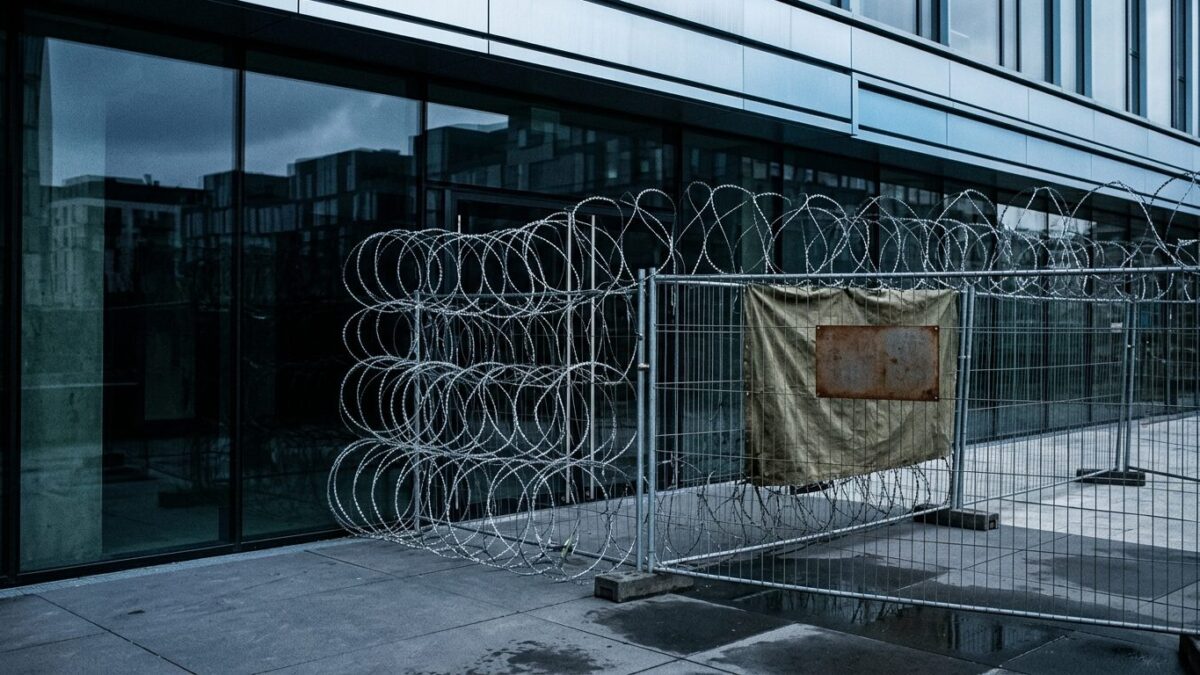
KAMPALA — Uganda military chief Muhoozi Kainerugaba ordered the forced shutdown of two of the country’s largest independent media outlets and publicly said he does not believe in press freedom, citing the need to protect political stability. The unilateral move by President Yoweri Museveni’s son was immediately followed by armed troops surrounding newsroom offices.
The impact was immediate. Dozens of journalists were trapped inside the building, while millions of viewers lost access to independent reporting. NTV Uganda went dark, and the press operations of Daily Monitor were forced to stop under the watch of security personnel. The move sent fear through Uganda’s media workers.
The crackdown drew sharp criticism from international human rights groups, which said Uganda was sliding toward full military authoritarianism. Freedom of expression, they warned, now sits at a dangerous low.
Military cordon around Nation Media Group offices
The action targeted assets owned by Nation Media Group (NMG), the Kenya-based media conglomerate. Since Sunday, June 28, 2026, heavily armed military personnel have been stationed outside NMG’s headquarters in Kampala’s Namuwongo district and around the Serena hotel area. The tight security has effectively frozen journalistic activity.
The National Broadcasters Association of Uganda said at least six NMG publishing and broadcasting outlets had been brought to a standstill. Daily Monitor also posted on social media that it was under a “military siege.” Staff were barred from entering or leaving the premises during the operation.
So far, NMG managing director Susan Nsibirwa and Uganda’s communications regulator, the Uganda Communications Commission (UCC), have not issued formal statements explaining the forced closure. The legal vacuum has only deepened tension and confusion among the public.
Muhoozi says journalists should be revolutionary cadres
Muhoozi Kainerugaba, who has served as military chief since 2024, announced the shutdown himself through a series of provocative posts on X. He said all public narratives in Uganda must pass through his desk, with no exceptions.
“In Uganda, I do not believe in press freedom! The press should be guided by revolutionary cadres,” Kainerugaba wrote from his personal account.
He also claimed that this absolute authority had been handed down by his father since 2017. Along with the threats, he said the closures of NTV and Daily Monitor were only the first step in a broader cleanup operation. The remarks drew global condemnation.
Here is a breakdown of the main outlets directly affected by the shutdown order:
| Media Outlet | Platform | Operational Status |
|---|---|---|
| Daily Monitor | Independent daily newspaper | Printing stopped / office surrounded |
| NTV Uganda | Private television station | Forced off air |
| Spark TV | Entertainment television station | Forced off air |
| KFM Uganda | News radio station | Forced off air |
| Dembe FM | Entertainment radio station | Forced off air |
A familiar pattern of silencing the press
Uganda’s crackdown on independent journalism follows a long and repeated pattern. As the political heir to his father, who has ruled since 1986, Kainerugaba has often used armed force to suppress criticism. It is a familiar script.
In 2013, the government occupied Daily Monitor’s offices for 10 consecutive days. Even earlier, NTV Uganda was barred from broadcasting just months after its launch in 2007 after its reporting was seen as too critical of state policy.
Civil society groups and international press organizations are now rallying in protest. A legal fight is likely to be NMG’s next move as it seeks to reopen its sealed newsroom.
The global community is also urging tough sanctions against the military leaders involved in the crackdown. Diplomatic pressure, they say, may be the only way to force a retreat and protect what remains of Uganda’s democratic space.