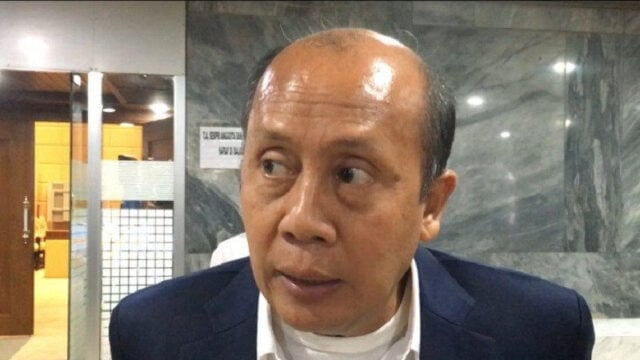
Nusron Wahid Responds to UGM Discussion Disrupted by Students
UGM discussion was disrupted by students, prompting Nusron Wahid and Budiman Sudjatmiko to respond to the chaotic campus event.
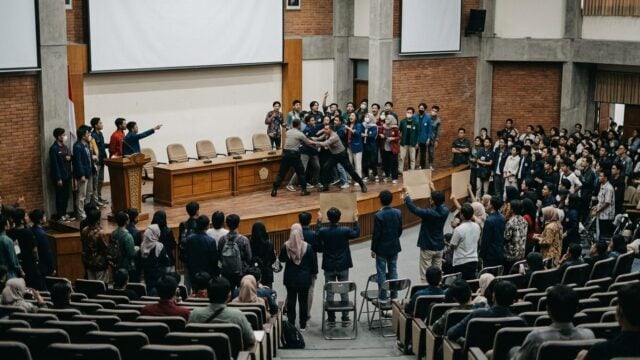
YOGYAKARTA — Nusron Wahid Responds to UGM Discussion Disrupted by Students after a forum at Gadjah Mada University (UGM) broke down in front of a crowd of protesters in Yogyakarta. The event, which also featured Budiman Sudjatmiko and Sudaryono, ended in chaos when a group of students objected to the speakers’ presence.
The disruption quickly shifted the focus from the discussion itself to the wider tension between campus dialogue and student protest. UGM, one of Indonesia’s best-known public universities, often sits at the center of political debate when prominent figures appear on stage.
Forum Collapses After Protest
The discussion had been scheduled as an academic event with speakers invited to share views on issues relevant to students. But the atmosphere changed once the three figures arrived. Some students voiced rejection, and the protest grew fast enough to overwhelm the room.
Witnesses said the situation became difficult to control as the audience pressed toward the stage. Organizers and security personnel tried to calm the room, but the pressure kept building. The forum was eventually cut short to avoid further escalation.
What began as a campus discussion turned into a confrontation over who should be given space in an academic setting. That is the heart of the issue here. Students were not only reacting to the event; they were challenging the message that the presence of certain public figures carried on campus.
Budiman Regrets the Chaos
Budiman Sudjatmiko said he regretted that the discussion ended in disorder. The PDI-P politician said the scene did not reflect the values of open exchange that universities are supposed to protect.
He argued that disagreement should still be expressed in a way that respects academic forums. “Freedom of speech must be balanced with responsibility and respect for academic forums,” Budiman said, stressing that public debate loses its value when it turns into disruption.
His remarks matter because campus events are often treated as a barometer of political temperature among young people. When a discussion at a major university breaks down, it signals more than a scheduling problem. It shows how quickly national politics can spill into student spaces.
Why the Incident Matters Beyond Campus
The fallout reaches beyond UGM. For students, the episode raises a basic question: how far can protest go before it shuts down the very forum they are trying to influence? For universities, it is a reminder that inviting political figures can trigger responses that organizers may underestimate.
For the broader public, the incident reflects a deeper sensitivity around elite personalities and public trust. A campus invitation is never just a speaking slot. It can be read as endorsement, provocation, or both, depending on who is in the room.
That makes the job of university organizers more delicate. They need to explain the purpose of an event clearly, anticipate objections, and keep the discussion open without allowing it to slide into confrontation. When those steps fail, the result is usually the same: a broken forum and a louder conflict than the one the university meant to host.
Students Say the Objection Was About Principles
The students who disrupted the discussion said the presence of the three figures did not fit the values they were defending. They argued that an academic forum should not be used to advance positions they view as inconsistent with their principles.
That reasoning fits a long tradition of activism on Indonesian campuses, where students have often treated universities as spaces for moral and political resistance. UGM has seen that dynamic before, and so have other major campuses across the country. The reaction in Yogyakarta was sharp, but it was not random.
It also shows how easily student protest can shift from argument to interruption when trust in the forum breaks down. Once that happens, the discussion is no longer about ideas alone. It becomes about legitimacy, access, and who gets to speak for the campus.
The event ended before the speakers could continue, and participants left the room to avoid physical contact with the crowd. For now, the clearest sign of what comes next is the same one that opened the incident: a campus discussion in Yogyakarta that could not survive the political weight of the names attached to it.