Snap Launches AR Specs Smart Glasses at Rp38 Million
Snap launches AR Specs smart glasses with advanced AR features, but the Rp38 million price tag could limit wider adoption.
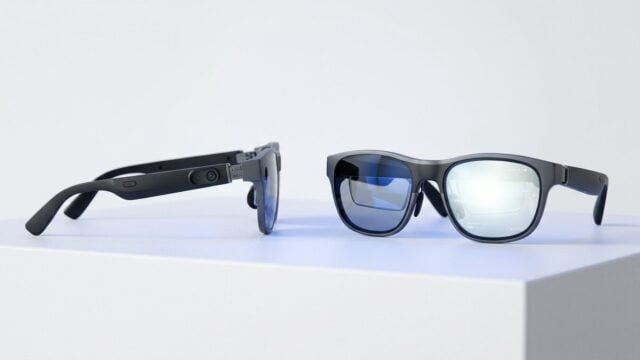
JAKARTA — Snap Launches AR Specs Smart Glasses at Rp38 Million, putting augmented reality eyewear back in the spotlight for consumers who want digital overlays without pulling out a phone. The device is Snap’s latest push into wearables and sits squarely in the premium segment.
At Rp38 million, the glasses are not built for mass sales. They are aimed at early adopters, creators, and tech enthusiasts who are willing to pay for a device that blends first-person capture, AR visuals, and Snapchat integration in one frame.
Snap bets on its ecosystem
Snap’s pitch is straightforward: AR Specs work best inside the company’s existing Snapchat ecosystem. That matters because Snap already has more than 400 million monthly active users, giving the product a ready-made audience that many new wearables simply do not have.
The company is using that advantage to make the glasses feel less like a standalone gadget and more like an extension of the app. Users can access AR content already available on Snapchat, while Snap also plans to open the door for third-party developers to build AR apps and custom filters for the device.
That strategy is familiar. Platforms that win early in new device categories often do so by tying hardware to software people already use every day. Snap appears to be betting on that same formula here.
What the glasses can do
AR Specs package a camera, sensors, and a display into a relatively compact design compared with earlier AR glasses. The device projects digital content into the wearer’s field of view, allowing overlays to sit on top of the real world rather than replace it.
Snap says the glasses support first-person moment capture, real-time sharing, and interaction with digital effects through Snapchat. In practical terms, that means a user can record what they see, add layered visuals, and push that content out through Snap’s platform without switching devices.
Battery life has also been a selling point. Snap has not fully disclosed every technical specification, but it says the product is optimized for all-day use with minimal charging. That claim will matter if buyers expect to wear the glasses for long stretches, not just short demos.
For now, the hardware sounds polished. The real test is whether it feels useful after the novelty wears off. That is where most smart glasses stumble.
The price is the hard part
The Rp38 million price tag puts AR Specs far above what most consumers in Indonesia would consider an impulse purchase. It also makes the product harder to compare with conventional smartphones, which still handle most of the tasks people need in daily life.
“Snap’s new AR glasses need a more affordable price to reach a broader market,” an analyst quoted by Investing.com Indonesia said. The comment reflects a wider concern in the wearable market: even strong hardware can stall if the value proposition is unclear.
That challenge is especially sharp in Indonesia, where premium gadgets tend to find traction first among upper-income buyers in major cities such as Jakarta, Surabaya, and Bandung. For those consumers, AR Specs may appeal as a status item as much as a functional device.
For everyone else, the product is likely to remain out of reach. Expensive wearables often trigger curiosity first and real adoption much later, after prices fall and practical use cases become obvious.
Why it matters for consumers
The impact for consumers is not just about one pricey device. Snap’s launch shows where the next battle in personal tech is heading: less screen in the hand, more computing on the body. That shift could change how people create content, navigate places, and share what they see.
For Indonesian users, the immediate effect is narrower. AR Specs may first interest content creators, photographers, independent videographers, and early adopters who want to experiment with new formats before they reach the mainstream. Those groups are often the first to test tools that later trickle down to wider audiences.
There is also a broader market signal. If Snap can persuade users that AR glasses are useful, not just flashy, it strengthens the case for other companies building similar products. Meta and Apple are both developing their own AR and wearable devices, and competition will likely push every player to balance design, function, and price more carefully.
Still, the road to mainstream adoption looks long. Smartphones remain dominant, and most consumers will keep treating smart glasses as a niche category until the software improves and the price drops. For now, Snap has introduced a product that is easy to notice and hard to buy. That tension may define the whole category for a while.
Even so, the company has a built-in advantage few rivals can match: a large social platform, a loyal young audience, and a product that plugs directly into both. The question now is whether those strengths can justify a Rp38 million bet for buyers outside the tech crowd.