Hope and Challenges Toward a 100 GW Solar Target in Indonesia
Indonesia’s 100 GW solar target offers big gains, but grid, storage, regulation, and land challenges could slow the clean-energy push.

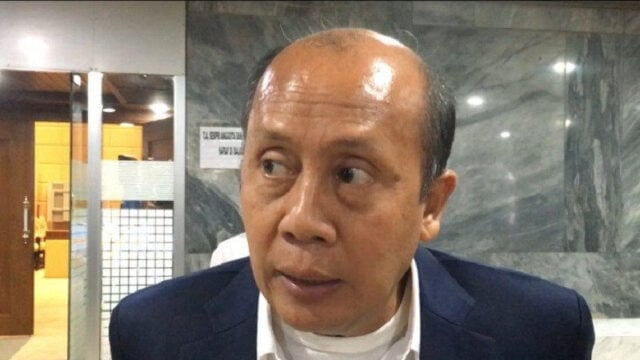
JAKARTA — Ir. Widi Pancono, chairman of Kopetindo, says Indonesia’s Hope and Challenges Toward a 100 GW Solar Target sits at the center of the country’s push to reach net zero emissions by 2060 and cut reliance on fossil fuels by 2030.
The ambition is large. So are the stakes. Indonesia wants solar power to become a core part of its clean-energy mix, but the path from policy statement to actual gigawatts on the ground still runs through grid upgrades, storage investment, and a faster licensing system.
Why the 100 GW solar target matters
Indonesia has a natural advantage that many countries would envy. Sitting on the equator, it receives strong sunlight throughout the year, with average radiation levels estimated at 4.8-5.5 kWh/m² per day. That resource remains far from fully used, even though demand for electricity keeps rising across the archipelago.
For policymakers, the appeal is straightforward. Solar power can reduce carbon emissions, ease pressure on fuel imports, and help Indonesia keep more energy spending at home. In islands and remote communities, distributed solar systems can reach places where the main grid is weak, expensive, or simply absent.
The economic argument is just as important. A target at this scale will require trillions of rupiah in investment. That means new factories, new jobs, and a larger domestic market for panels, batteries, inverters, and installation services. It also opens room for foreign capital that wants a place in Indonesia’s clean-energy transition.
There is a catch. Solar is cheap to operate after installation, but the upfront bill is still heavy. For households, businesses, and public institutions, that cost can decide whether projects move ahead or stay on paper.
The infrastructure gap is still the hardest part
The biggest technical obstacle is the grid. Solar output changes with weather and disappears at night, while Indonesia’s current electricity system was not built to handle large swings from intermittent sources at this scale.
That creates a real planning problem. Many of the strongest solar sites are far from the country’s biggest load centers, which means transmission lines must grow at the same time as generation. Without that, new panels can arrive faster than the grid can absorb them.
Storage is the next hurdle. Battery systems can smooth supply, but they still cost a lot and depend on reliable supply chains for raw materials. Without enough storage, excess daytime power may go unused, while demand later in the evening still leans on conventional generation.
Then comes regulation. Land and investment permits in Indonesia are still widely seen as slow and bureaucratic. Investors want certainty on land ownership, power purchase prices, and incentives. They also want a system that does not force every project through a long maze of approvals.
A coordinated push is needed across the Energy and Mineral Resources Ministry, the Cooperatives Ministry, Bappenas, the Finance Ministry, the Agrarian and Spatial Planning Ministry, and the Coordinating Ministry for Economic Affairs. Kopetindo, the Indonesian Renewable Energy Cooperative, is expected to take part as an implementer of village-based solar power projects.
What it means for consumers and industry
The practical impact lands in several places at once. For households, a faster solar rollout could eventually broaden access to cleaner electricity and lower exposure to imported fuel costs that ripple through power pricing. For businesses, especially factories and commercial users, solar offers a way to hedge against energy price volatility and meet sustainability targets set by global buyers.
For Indonesia’s industrial base, the target also exposes a deeper question: whether the country wants to keep importing the core parts of the solar economy or build them locally. At present, most key components are still brought in from abroad. That keeps costs higher than they should be and leaves less value inside the country.
Workforce readiness matters too. Indonesia needs more technicians who can install, inspect, and maintain solar systems reliably. A panel that sits on a roof is only useful if someone can keep it working, safely and at scale.
Environmental and social issues cannot be ignored either. Large solar farms need wide land areas, and that raises concerns about farmland conversion, forest use, and possible conflict with indigenous communities. Careful spatial planning and community involvement will decide whether projects bring shared benefit or local resentment.
What must happen next
The path forward depends on execution, not slogans. Regulatory simplification would help by speeding up permits and giving investors more confidence on PLN purchase prices. Better transmission networks and storage research would make the grid more resilient. Domestic manufacturing could keep more economic value in Indonesia, while training programs would build the technicians needed to support long-term operations.
Rooftop solar on homes, offices, and industrial sites may also reduce pressure on the main grid while larger projects are being prepared. That mixed approach is what gives the 100 GW target a real chance of moving beyond aspiration.
Widi Pancono’s message is clear: the sunlight is there, the opportunity is real, and the next move belongs to institutions that can turn policy into buildable projects across the country.