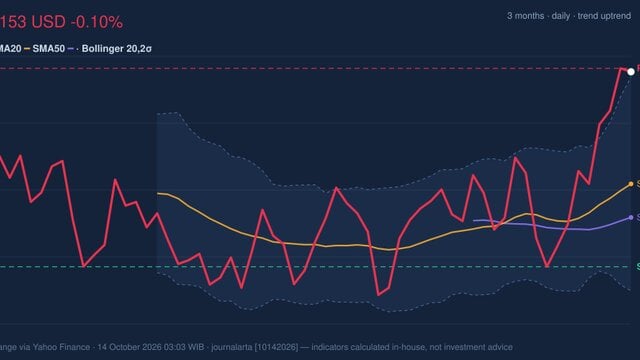
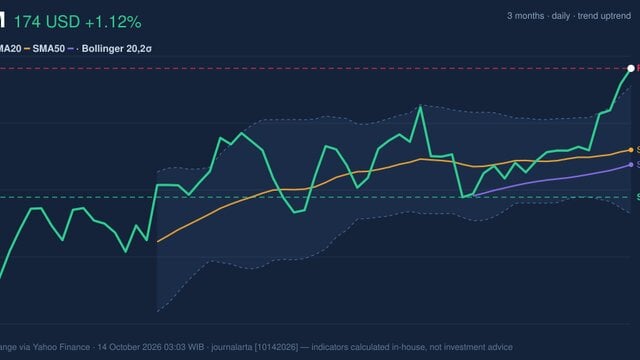
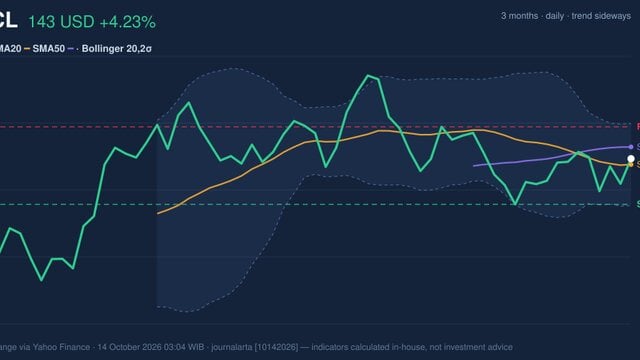
Oil Prices Spike Past $80 as Trump Proposes 20% Tax on Hormuz Transit
Global oil markets reacted sharply on Wednesday as energy prices surged past the $80-per-barrel threshold. The sudden spike follows a declaration from former...
Global oil markets reacted sharply on Wednesday as energy prices surged past the $80-per-barrel threshold. The sudden spike follows a declaration from former President Donald Trump, who vowed to impose a 20 percent fee on all vessel traffic passing through the Strait of Hormuz if he returns to power.
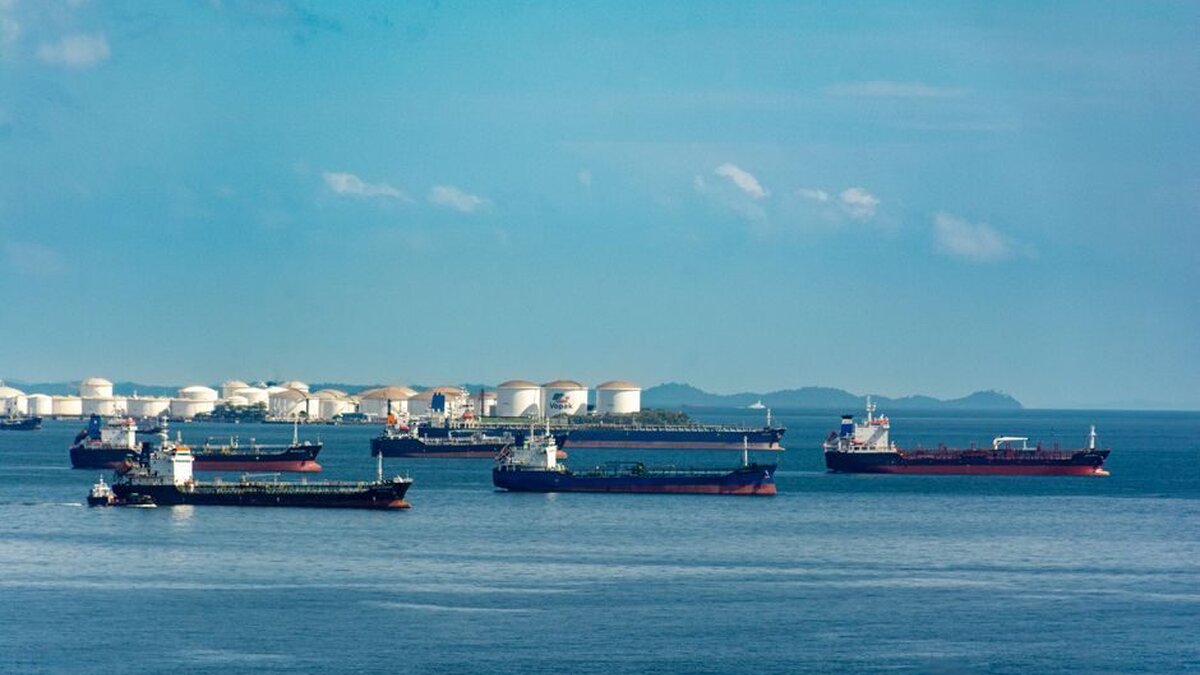
The Strait of Hormuz serves as the world’s most critical maritime oil chokepoint. Any disruption to this narrow passage, which connects Persian Gulf producers to global markets, carries immediate consequences for energy supply chains. Traders responded to the proposed tariff with immediate anxiety, pushing benchmark prices higher as the prospect of a new, costly security tax looms over the shipping industry.
Washington as the 'Guardian'
Trump justified the aggressive fiscal policy by framing the United States as the primary protector of the waterway. He argued that Washington should act as the designated "guardian" for international shipping interests. Under his proposed framework, the U.S. would extract a reimbursement from global shipping companies to cover the costs of deploying naval assets to secure the corridor.
The proposal marks a shift in how the U.S. manages its naval presence in the Middle East. Historically, the U.S. Navy has maintained freedom of navigation in the region as a public good to ensure stable energy prices. By pivoting to a "pay-to-pass" model, the policy would fundamentally alter the economics of moving crude from the Gulf to refineries in Asia and Europe.
Market Volatility and Shipping Costs
The 20 percent surcharge would represent a massive cost increase for tankers. Shipping companies operating in the region currently navigate a complex geopolitical environment, but an additional tax on transit would force a rapid recalculation of freight rates. If implemented, these costs would almost certainly be passed down to consumers at the pump.
Industry analysts are now scrambling to model the impact. The Strait of Hormuz carries roughly one-fifth of the world’s total oil consumption daily. Any administrative barrier at this gateway threatens to create a bottleneck that could reverberate across the global economy. Market participants are watching for further details on how such a fee would be collected and whether it would apply to all vessels regardless of flag or origin.
For now, the mere threat of the policy has injected a new risk premium into the energy sector. Crude oil benchmarks remain elevated, reflecting the uncertainty surrounding future access to the Persian Gulf. As the rhetoric intensifies, energy importers are bracing for a potential era of higher transit costs that could redefine the cost of oil logistics for the coming years.