AI-Linked Stocks Lift the S&P 500, but Growth Concerns Temper Investor Enthusiasm
AI-linked shares helped drive the S&P 500 up 78% over the past three calendar years, and the index is on track for a 12% gain. Linked Stocks Lift — full…
AI-linked shares helped drive the S&P 500 up 78% over the past three calendar years, and the index is on track for a 12% gain in 2026. But uneven stock performance and concerns over the cost of building AI infrastructure have made investors less certain that the rally can continue at the same pace.
Nvidia and Alphabet, two of the sector’s largest companies, carry substantial weight in the benchmark. Their gains have helped lift the broader market as investors bet that artificial intelligence will reshape business and raise corporate earnings. The technology could also speed work such as drug discovery in pharmaceutical and biotechnology companies.
Returns have become less uniform
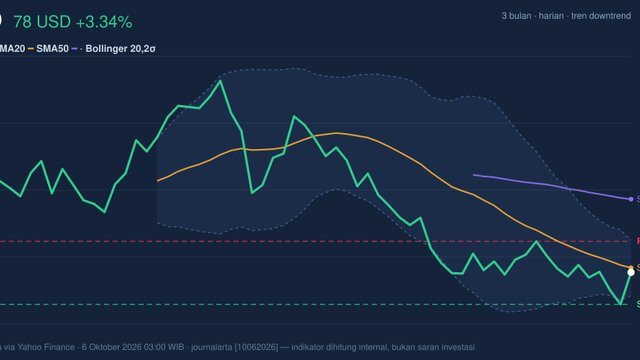
After several years of sharp advances, AI stocks have faced periods of stagnation and declines. Nvidia fell in the first quarter before recovering; it is now heading for a 25% gain in 2026, according to the supplied account. That would still be a marked slowdown from its 400% increase over the past three years.
The market’s changing mood reflects concerns about the pace of spending on AI infrastructure, alongside broader worries about the economy. Demand for AI products and services remains high, while analysts expect the market to reach into the trillions of dollars within a few years. Those expectations have kept attention on companies positioned to supply the technology.
Chip suppliers face different risks
Companies serving the semiconductor industry offer contrasting profiles. Aehr Test Systems makes specialized equipment to test and stabilize chips, with exposure to silicon carbide used in electric vehicles and high-bandwidth memory for AI systems. But its five largest customers made up nearly 70% of sales in fiscal 2026, a concentration that leaves the company exposed if orders from a major buyer weaken. Revenue fell 15.2% to $50 million in that year.
KLA, by contrast, sells process-control tools used across chip manufacturing. The comparison underscores a central tension in the AI trade: specialized suppliers can offer exposure to fast-growing niches, while broader equipment makers serve a wider range of the industry.
Investors are still weighing AI’s potential to lift productivity and earnings against the spending required to build the infrastructure behind it. For now, the sector’s strong long-term returns have not prevented sharp swings in individual shares.
Source: finance.yahoo.com