UK Military Sends Cyber Hunt Teams Abroad to Disrupt Hostile Hackers
Major General Mike Fayers, head of the Defence Cyber and Electromagnetic Force, says British troops are being deployed abroad as "hunt forces" to disrupt hackers targeting UK defence systems. Some operations need Defence Secretary Wes Streeting's approval.
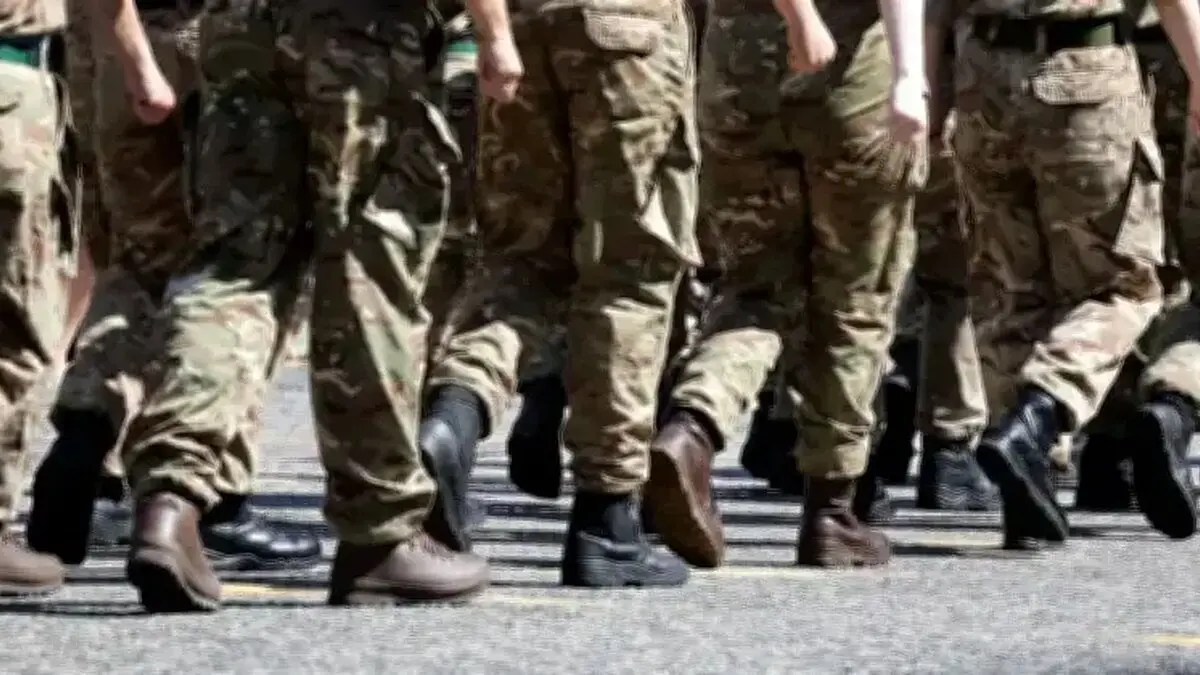
The UK military sends hunt missions overseas to disrupt hostile hackers, Major General Mike Fayers, commander of the Defence Cyber and Electromagnetic Force, has disclosed. Specialist British troops are being deployed abroad to stop cyber attacks on the country's defence systems.
Fayers described the teams as "hunt forces". Their job is to go after enemy hackers before an attack takes hold.
The operations often require approval from Defence Secretary Wes Streeting. Troops aim to stop cyber attacks in their early stages, before they escalate into large-scale incidents.
From defending territory to hunting adversaries
Fayers said the hunt forces represent a shift in focus. Rather than defending UK territory, the military is now trying to protect networks proactively, before cyber operations take hold.
"We are trying to hunt for our adversaries in places where they prepare before they target UK military systems," he said.
He added: "I mean sending people physically to places to virtually hunt for the adversary to protect our systems. The threat continues to increase in both its complexity and its persistence."
AI shrinks the response window
Fayers said artificial intelligence is making the problem harder. "We've seen AI now exploiting vulnerabilities at a speed we have not seen before," he said.
Historically, defenders would have had a few days to fix a vulnerability. Now, he said, "we are now in double-digit minutes to respond to those vulnerabilities."
"Our adversaries are very cunning," Fayers said. "This is not just an MoD (Ministry of Defence) issue, this is a whole-of-UK challenge."
Attacks elsewhere in Europe
The disclosure comes amid heightened concern over cyber threats to the UK and its allies. Last week, a cyber attack on several blood banks in France sought to raise temperatures to extremely high levels. Authorities said it was thwarted before it could damage blood products or samples.
That incident followed reports that supermarkets in several European countries saw their fridges and freezers warm up after being remotely taken over. The result was tons of spoiled food at a total cost of millions of euros.
Streeting has previously warned that the country faces "a greater risk of war" than at any point in his lifetime. The Defence Secretary has said "without a shadow of a doubt" that Russia is the greatest threat facing the UK.