Trump Deportations Too Tough, He Tells 60 Minutes After Midterms
President Donald Trump told CBS's 60 Minutes that his immigration policies were "too tough" and hurt him in the midterms. He said he is open to a deal with Democrats on undocumented workers, days after promoting Stephen Miller to White House chief of staff.
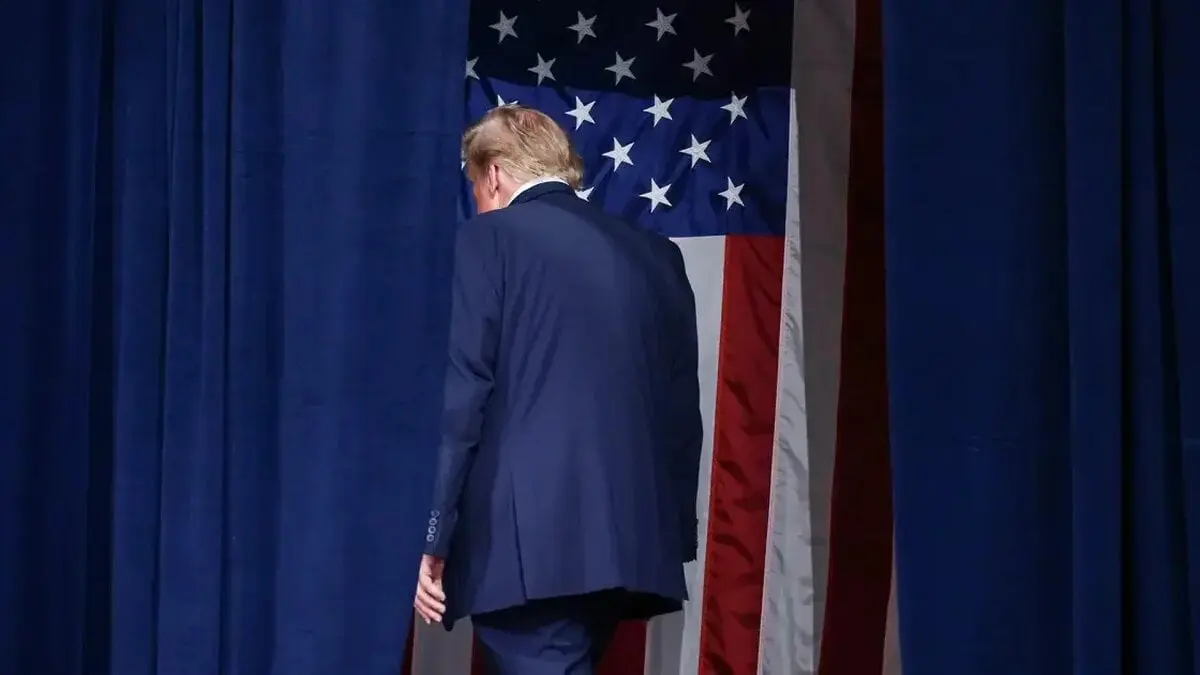
US President Donald Trump conceded that his immigration policies were "too tough," saying in a CBS "60 Minutes" interview that aired Sunday that mass deportations hurt him in the midterm elections. He also said he is open to a deal with Democrats that would let some undocumented immigrants stay.
The interview was recorded Friday. It is an unusually frank admission about one of the defining policies of his second term.
Asked by correspondent Ross Douthat whether the crackdown had gone too far, Trump said: "I think it was too tough. I think it might be too tough, yeah."
He argued the policy "both helped and hurt." People gave him an "A+ for closing up the border" and "very high marks for getting the bad ones out," he said.
"I get hurt because we also took people that had good jobs, that created one violation, or breaking of the law, and that was that they came into the country illegally," Trump said.
Trump said yes when asked whether a deal could include legal status for undocumented workers. He said he would target killers, rapists and drug dealers while making room for people who had been in the country for 10 or 15 years.
"Let the people that are here, and in some cases here for 10 and 15 years, work a deal for them," he said. "I think that's something that's actually doable."
He said some Democrats had already contacted him. Asked whether he could refrain from name-calling for six months to secure an agreement, he replied: "Very easily."
Trump also said people "on the sort of pretty far right" would like everybody removed, and that some of them were in his administration.
On Friday he promoted Stephen Miller, who conceived the mass deportation policy, to White House chief of staff. Miller replaces Susie Wiles.
Trump blamed "bad messaging" for Republicans' heavy midterm losses last week. "I think it was bad messaging, maybe by me, but I would talk about it all the time," he said. He added that the media did not cover "positive news for me."
He also blamed the war with Iran and higher gasoline prices for much of the defeat. He agreed with an assessment by Vice President JD Vance that the conflict was a major factor.
Trump maintained the war was justified and said he would make the same decision again. "My answer is an emphatic yes because you can't let Iran have a nuclear weapon," he said. He said he was not looking to escalate the conflict after the midterms.
Since Trump returned to office, Immigration and Customs Enforcement (ICE) raids at workplaces, homes and public spaces have ensnared people with no criminal records and separated families. Federal agents fatally shot two US citizens, Renee Good and Alex Pretti, during operations in Minneapolis earlier this year.
The White House has mostly been without a press secretary since late August, after Karoline Leavitt left the administration. Katie Zacharia replaced her briefly but left after five days.