Tari Lang Memoir: At 16, a Dictator Became Her Neighbor
Tari Lang's memoir My Neighbour, The Dictator recounts growing up in Jakarta during Indonesia's 1965 military coup. Suharto moved a few hundred meters from her family home in 1967. In September 1968 her parents were detained, and her mother spent 15 months in Bukit Duri prison.
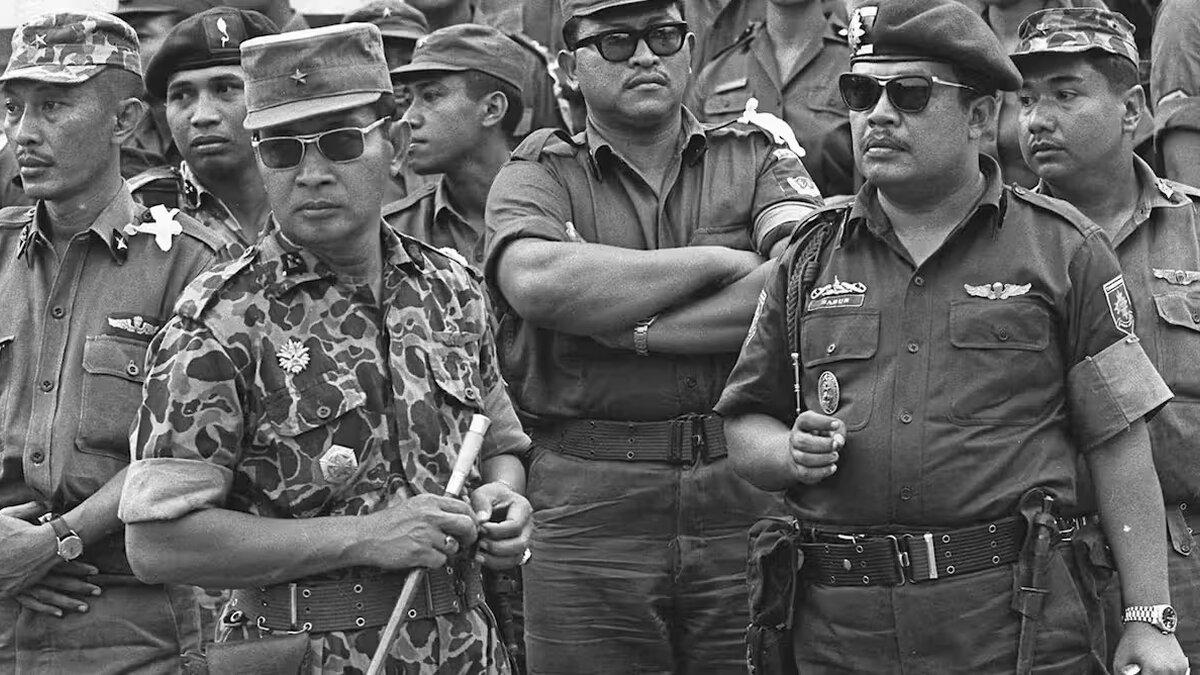
Tari Lang's memoir My Neighbour, The Dictator describes how Suharto, who would rule Indonesia for decades, moved a few hundred meters from her family home in Jakarta in 1967. By the time she was a teenager, her parents had been branded communists. They were detained in September 1968.
The book is a coming-of-age account set during Indonesia's 1965 military coup and its aftermath. A review published on November 9, 2026, calls it Lang's memoir of growing up during the destruction of the world her family had thrived in.
It opens on the morning of October 1, 1965. Lang, then 14, saw army tanks parked on the roundabout outside her home on Teuku Umar, a Jakarta street lined with embassies and the residences of ministers.
On a street where "nothing bad ever happens", she saw "two tanks, three military jeeps and a dozen or so armed soldiers […] stationed on the roundabout".
A family caught in the purge
The night before, six generals had been killed in a coup attempt led by Lieutenant Colonel Untung bin Syamsuri. General Suharto crushed the mutiny overnight. He was later installed as president, six months before Lang's parents were arrested.
Her mother, Carmel Budiardjo, was an economics researcher for the foreign minister. Her father, Suwondo Budiardjo, was deputy minister at the Ministry of Maritime Affairs. The family was mixed-race and politically left-leaning.
Both parents, accused of being communists, lost their government posts almost overnight. They warned their daughter not to visit certain friends, including the daughters of the chairman and deputy chair of the Indonesian Communist Party.
Budiardjo was the only British woman imprisoned by the Indonesian military. She spent three years in detention without trial, 15 months of it in Jakarta's Bukit Duri prison, and later wrote her own memoir about it.
Lang was 17 when her parents were arrested. She was, in the review's words, forced to become an adult.
Ordinary life, quiet danger
Lang and her younger brother Anto had to leave their government schools. Their new elite Catholic school was welcoming, and a minister's daughter befriended her there. But a building where she once played in a youth marching band now stood empty, because some older boys and girls had "disappeared".
She was drawn into the secret effort to help people evade arrest. In October 1966 she was held overnight and forced to watch the torture of her activist boyfriend. Her London-born mother stormed into the makeshift detention center the next morning and secured her release.
Life then resumed. Lang kept up piano lessons, went out for noodles, attended parties, organized a fashion show for the elite and navigated first love.
The book describes her life changing bit by bit, through deception, confusion and lies. That unfolded alongside what some have called a "disguised" or "creeping" coup, a slow consolidation of power in Suharto's hands. He gradually displaced President Sukarno and built the military-dominated New Order.