Russell Brand’s Trial: Rape Myths Spread Online, Charities Warn
Rape charities say arguments aired during Russell Brand’s trial are spreading online and may shape how young men understand sexual assault and consent. Brand was sentenced to 10 years and six months in prison after convictions for rape and sexual assault. A UK survey found stark age gaps in views of consent.
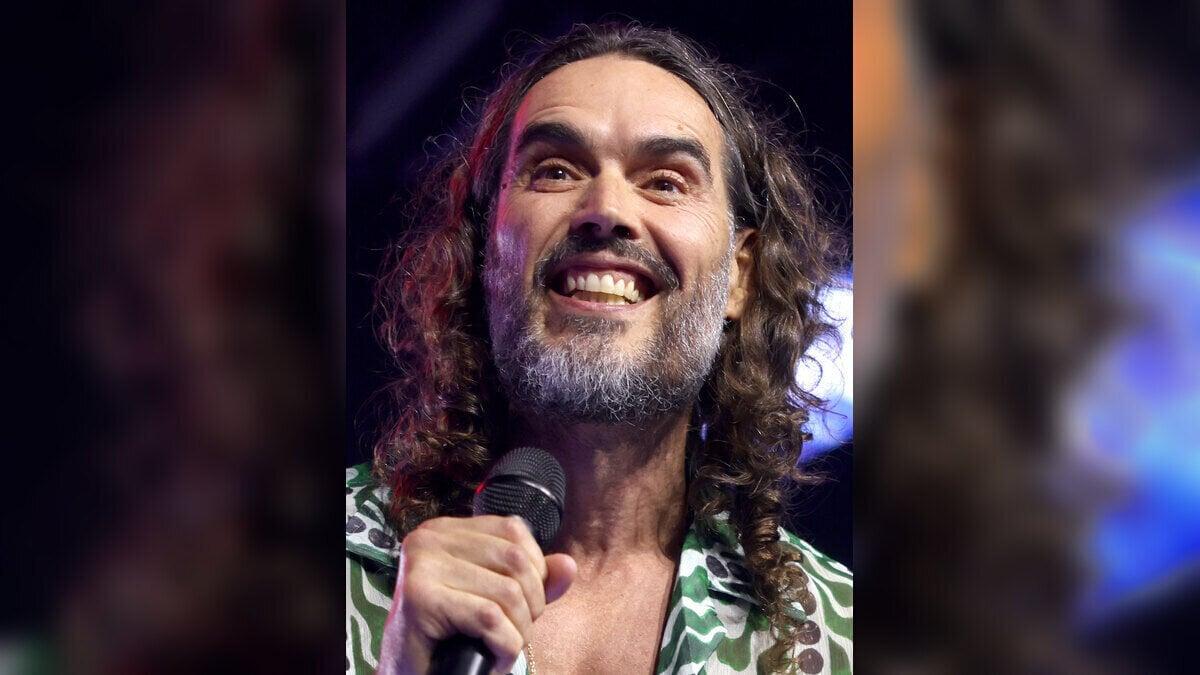
Rape charities warned on Tuesday that rape myths aired during Russell Brand’s trial are spreading online, after the former actor and comedian was sentenced to 10 years and six months in prison for rape and sexual assault.
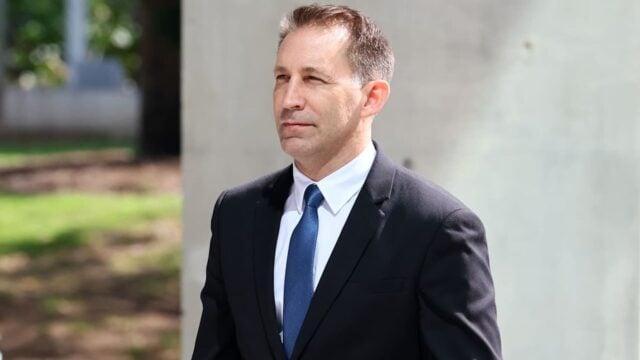
They said arguments by Brand’s barrister, Ian Winter KC, risk reaching young men through social media and online communities where misogyny is presented as entertainment. Winter argued that Brand could not be a rapist because his accusers had not “resisted or screamed,” according to the court account.
Claims reaching beyond the courtroom
Red Godfrey-Sagoo, chief executive of Rape Crisis South London, said trial details were “shared, repeated and amplified” within minutes. “These myths are no longer confined to a courtroom or a dinner-table conversation,” she said.
Godfrey-Sagoo said young men were particularly susceptible to misinformation about sexual assault. She described online spaces where “women lie, consent is negotiable and accusers are the enemy” as increasingly normalizing rape myths.
The trial lasted a month at Southwark Crown Court. Brand was found guilty of one count of rape and three counts of sexual assault, and was acquitted of two other rape charges and an attempted indecent assault, according to the accounts of the proceedings.
In court, Winter characterized the rape of a 21-year-old woman at Brand’s home in 2009 as a man who “went too far.” He also argued that it was not criminal to treat women unkindly or to be disrespectful before, during or after sex.
In discussing a separate sexual assault at a Soho bar in 2004, Winter argued that the complainant was “not particularly vulnerable” because she was tipsy. He said there was no evidence Brand knew she was tipsy.
Survey points to gaps in consent awareness
A 2024 Crown Prosecution Service survey found that half of UK respondents aged 16 to 24 believed rape had not occurred if the victim did not fight back.
The survey also found a difference in views about consent within relationships. While 87 per cent of people aged 65 and over understood that marriage or a relationship did not imply consent to sex, the figure was 42 per cent among those aged 18 to 24.
Jill Greenfield, chair of The Fawcett Society, said consent could be treated as negotiable, adding that young men already had difficulties understanding what consent means.
Judge Mr Justice Bennathan addressed the issue in his sentencing remarks. “Whatever women wear, wherever they go, indeed whatever they drink, they retain the right to say no and to demand justice from the criminal courts when sexual predators like you, Russell Brand, act without their consent,” he told Brand.