Bella Coola: 4 Bears Captured, Killed After Fatal Attack
British Columbia conservation officers say DNA linked a female grizzly and her three yearling cubs to the deaths of a mother and daughter in Bella Coola. The four bears were captured and killed, while community supports remain in place as residents recover from the attack.
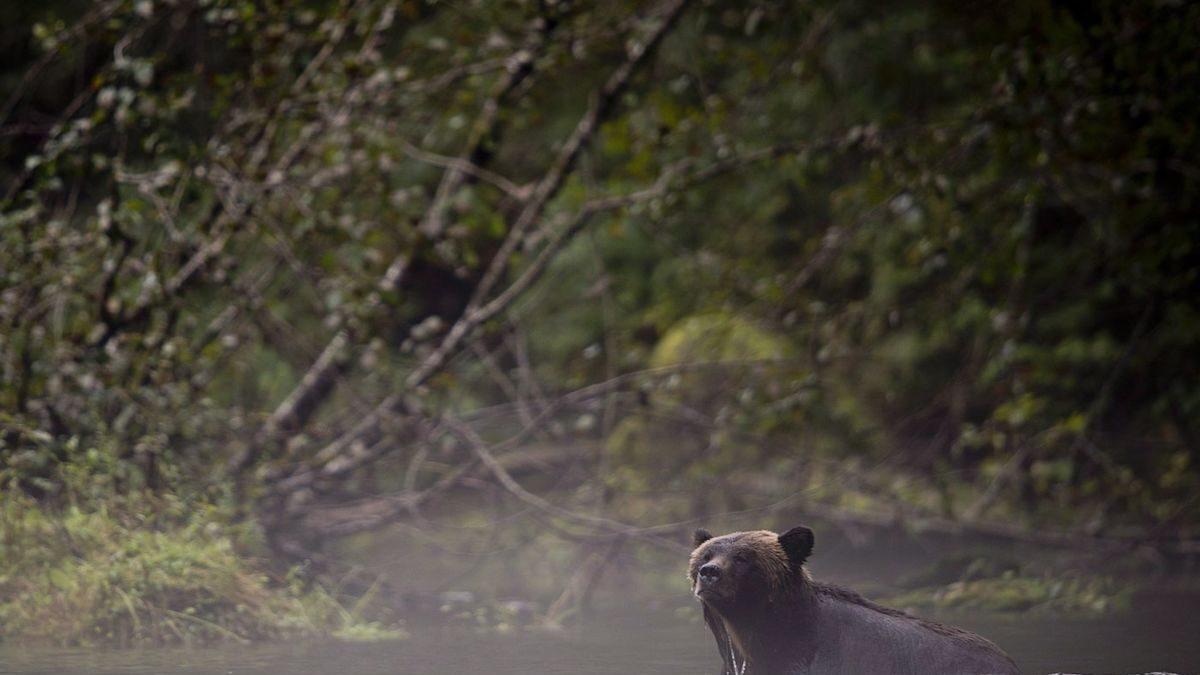
British Columbia conservation officers say 4 bears captured killed in Bella Coola were linked by DNA to the deaths of a mother and daughter this month. Officials said the female grizzly and her three yearling cubs were killed to protect the public.
The attack occurred in the northern British Columbia community and has prompted ongoing support for residents. Investigators said the bears were not involved in a separate attack on schoolchildren in the area last year.
Insp. Jeff Tyre of the B.C. Conservation Officer Service said DNA testing conclusively connected all four bears to the deaths. The investigation found the attack likely involved predatory behavior, he said.
“Our investigation also found that this attack likely involved predatory behaviour, which I can tell you is very rare,” Tyre said during an online briefing.
He added: “That is to say, we don't know how it started, but we know how it ended.”
The victims, Jenny Balcarra and her adult daughter, Selah Reed, were reported missing on Nov. 1. Their bodies were found last week in a trail area outside Bella Coola, about 150 metres apart.
Authorities imposed a voluntary curfew after the attack, and police escorted children to school last week. Tyre said DNA tests showed the four bears were not involved in a 2025 attack on a group of schoolchildren in the same area.
That earlier attack involved a grizzly and left an adult and three children badly injured. The group included about 20 elementary school students and teachers, according to the conservation service.
Tlhmtimut Samuel Schooner, elected chief councillor of the Nuxalk Nation, said the investigation was conducted “with the utmost care and respect.” He said community supports would remain in place until residents felt ready for them to end.
“Our community is rightly still deeply affected and will be for generations,” Schooner said.
Tyre said bears involved in fatal attacks on people cannot be rehabilitated or relocated. “This type of behaviour represents an extreme risk to the public,” he said, adding that such bears are killed to prevent similar attacks.
Nicholas Scapillati, executive director of the B.C.-based Grizzly Bear Foundation, called the situation “extremely challenging.” He said rural communities need help with coexistence and safety programs.
Scapillati said the B.C. government had paused its Bear Smart program, which provides education on bear safety and coexistence. He also said fall is a more difficult period for communities living near grizzly bears: “In the fall, it's a more challenging time to co-exist with them.”