Lucia Responds to EU Demands End CBI Program by 2028
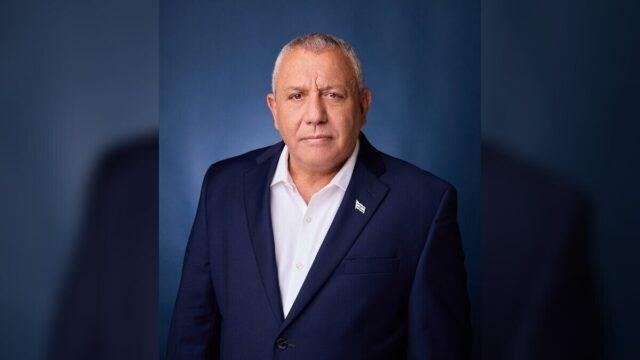
St. Lucia has sent a formal response to the European Union over its citizenship-by-investment program. Prime Minister Philip J. Pierre said the government would keep the letter confidential while discussions continue, as the EU has set June 1, 2028, as the deadline for affected countries to end such programs or risk losing visa-free access to the Schengen area.
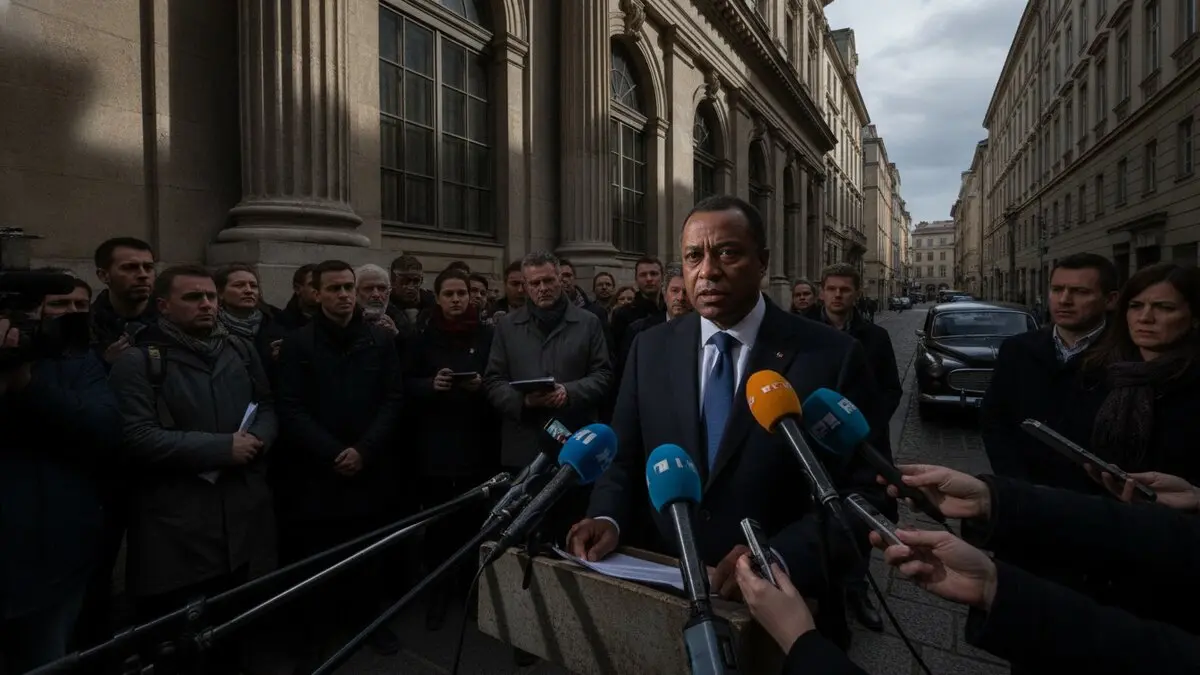
St. Lucia Prime Minister Philip J. Pierre said his government has formally responded to the European Union over its citizenship-by-investment program, as the EU presses Caribbean countries to end the programs or risk losing visa-free access to the Schengen area.
The letter’s contents will remain confidential for now. Pierre said Monday that the government would not make the correspondence public until European officials had received and acknowledged it.
The EU has given member states of the Organization of Eastern Caribbean States (OECS) operating citizenship-by-investment programs until June 1, 2028, to terminate them or potentially lose visa-free access to the Schengen area.
“That issue affects all the countries that have CBI programmes. It’s not a St Lucia problem,” Pierre told reporters, saying the issue was not specific to his country.
He said the EU initially gave affected countries until October 31 to state whether they intended to continue their programs. Following discussions, the deadline was extended to November 12.
Deputy Prime Minister Ernest Hilaire led an OECS delegation to Brussels for talks with European officials. Pierre said St. Lucia would continue engaging with them while protecting its national interests.
“I don’t think we should make a letter to the EU public. These discussions have to be held at the level of confidentiality, diplomacy, and trust,” Pierre said.
He acknowledged European governments’ concerns about migration and said citizenship-by-investment programs had become part of the broader debate.
Five OECS countries operate such programs: Antigua and Barbuda, Dominica, Grenada, St. Kitts and Nevis, and St. Lucia. They grant citizenship to qualifying foreign investors in exchange for substantial financial contributions.
Antigua and Barbuda has indicated it is willing to end its program if it receives an extended transition period until 2030. In an October 30 letter to EU Commissioner for Internal Affairs and Migration Magnus Brunner, Prime Minister Gaston Browne said his government had selected an option to close the program over a longer period, subject to conditions.
Pierre said St. Lucia relies less on citizenship-by-investment revenue than other countries with similar programs, while acknowledging the money’s importance to national development. The country received approximately EC$65 million (US$24 million) from the program last year, much of it directed to national security and healthcare.
He said the government plans to provide a detailed account of the spending in its next budget presentation.