Gadi Eisenkot Seeks Coalition as Israel’s Parliament Is Sworn In
Israel’s newly elected parliament took its oaths without a government, leaving Gadi Eisenkot and Benjamin Netanyahu facing competing, uncertain paths to a coalition. President Isaac Herzog urged lawmakers to avoid another election as Eisenkot began efforts to assemble a governing bloc.
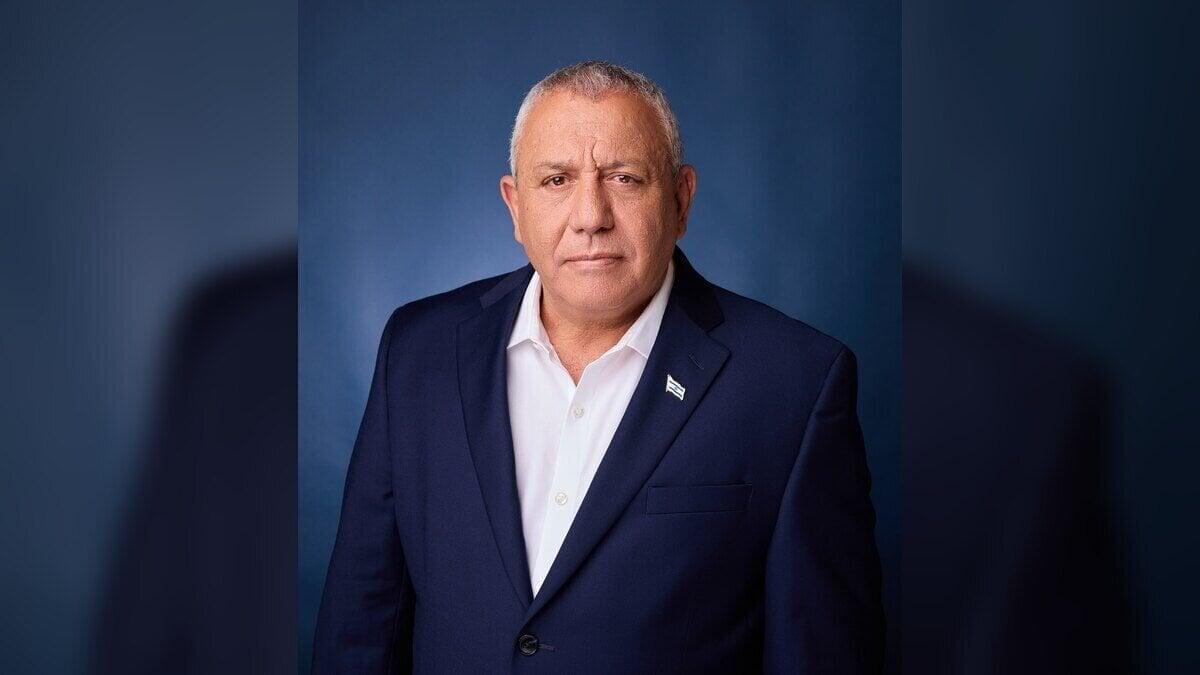
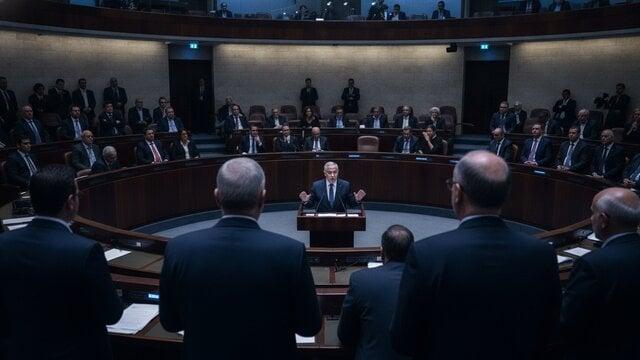
Gadi Eisenkot began trying to form a government as Israel’s parliament was sworn in on Tuesday, November 10, without a coalition after an election left neither him nor Prime Minister Benjamin Netanyahu with a clear path to power.
The deadlock could lead to another election if both men fail to assemble governing coalitions. President Isaac Herzog urged lawmakers to avoid that outcome.
Lawmakers elected in the October 27 vote took their oaths as Eisenkot, a former general, worked to secure support after Herzog tasked him with forming a government on Sunday.
Eisenkot’s center-right Yashar party and partner factions hold 48 seats in the 120-seat Knesset. Netanyahu’s Likud alliance with far-right and ultra-Orthodox parties holds 53 seats, despite outperforming expectations.
Arab-led parties hold 19 seats and oppose Netanyahu. Their backing could help Eisenkot, but he has yet to strike the deals needed to govern.
Herzog told lawmakers: “You must do everything to avoid a repeat election.” He urged rivals to “reach out a hand for compromise.”
The new parliament could also take up Eisenkot’s campaign pledge to establish an inquiry into the Hamas attacks of October 7, 2023. Arab parties support such an investigation, while Netanyahu has largely opposed it.
Herzog said lawmakers were “duty bound to leave no stone unturned” in investigating and understanding the “catastrophe” of October 7.
The Knesset could also replace its current speaker, who is a member of Likud.
Eisenkot initially has until December 6 to form a government and can request a two-week extension to December 20. He has described his route to power as “extraordinarily complex.”
His options include forming a minority government with Arab party support, seeking to bring ultra-Orthodox parties into his camp, or forming a unity government with Netanyahu. Ultra-Orthodox parties have said they would not join an Eisenkot-led government.
Netanyahu remains caretaker prime minister while coalition talks continue. He has called for a unity government, saying Iran is seeking to revive its nuclear program and warning Israel could face growing international pressure to accept a nuclear-armed Iran.
“Only such a (unity) government will be capable of confronting challenges of this magnitude,” Netanyahu said.