London Aphasia Group Write Song ‘Listen’ to Explain Life After Stroke
The Aphasia New Music Group in London has written a song called Listen to explain what life with aphasia is like. Members include stroke survivors, musicians and therapists, and they hope the song will counter misconceptions about a condition most people in the UK have not heard of.
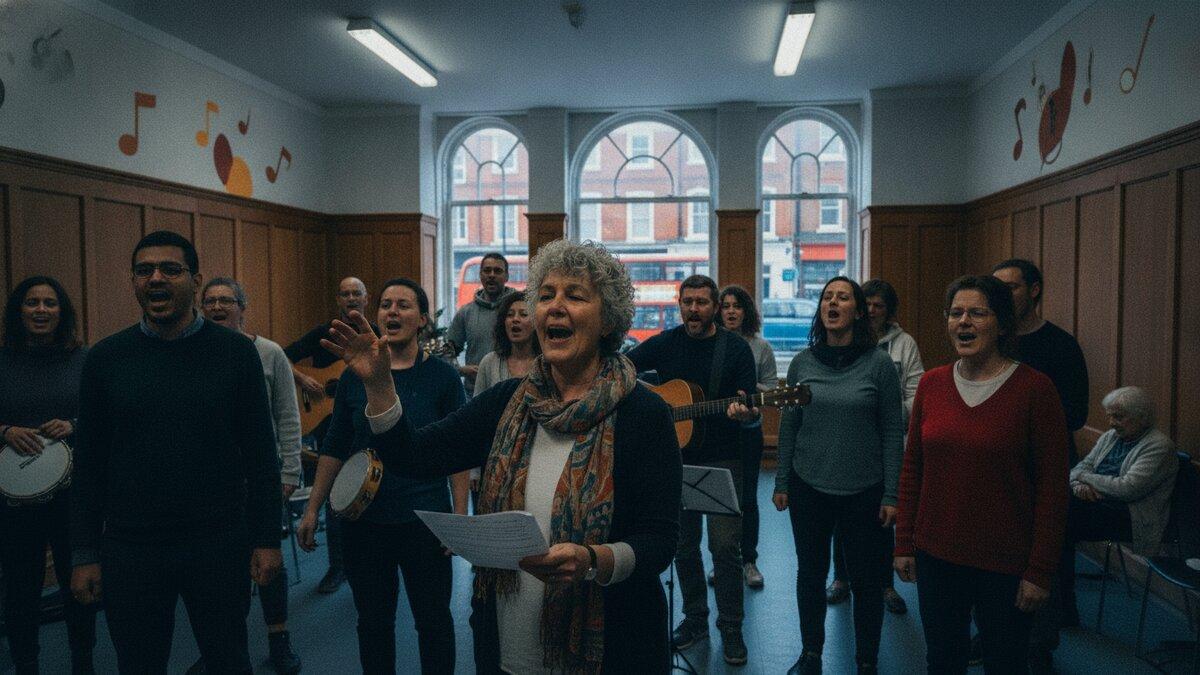
A London aphasia group write song called Listen to explain what it is like to live with a brain condition that affects speaking, reading, writing and understanding others. The Aphasia New Music Group announced the song this week.
The group brings together people living with aphasia, musicians, and speech and language therapists. They co-create music to raise awareness of the condition and to support each other.
A condition few have heard of
Aphasia is often caused by a stroke or brain injury. According to the Stroke Association, tens of thousands of Londoners live with it. It can be very isolating.
Dr Carolyn Bruce, a speech and language therapist at University College London who works with the group, described it as "an acquired language difficulty". It happens after brain injury and "can affect all sorts of language skills", she said.
"It makes life very challenging for people after their stroke," Bruce said, "and it stops them engaging in the life they had before that happened."
Why the group wrote Listen
Finn Beans, the group's lead facilitator and artistic director, said the aim was to help people understand. "There's not a lot of understanding around what [aphasia] is, let alone what it means to live with it," he said.
The group does not always write about aphasia directly. Beans said members also explore abstract ideas and experiences people have had along the way.
This song is different. "We felt it was really important actually to have a clear message and to use it as a tool to raise awareness of aphasia, because typically in the UK most people haven't heard of it," Beans said.
One member's story
Colin Lyall was one of the group's first members. He had a stroke 13 years ago and developed aphasia.
"In the hospital I could say sort of yes and no," he said. "My intelligence was intact but I couldn't get any words right."
After going home he had speech and language therapy. His words are "kind of getting better", he said, though he is not at 100%. His reading and writing are not as good as they used to be.
His experience led him to set up a charity called Say Aphasia, which supports people living with the condition. Lyall said the music group was also critical to his development.
The group hopes Listen will counter misconceptions, encourage connection, and give people with aphasia an outlet for shared understanding.