GMC Warns Junior Doctor Burnout Is Putting Maternity Patients at Risk
The UK's medical regulator says doctors training in obstetrics and gynaecology report more overwork and sleep deprivation than any other trainees. Some 70% face moderate to high burnout risk, against 61% across all specialties, and author Adam Kay calls the findings miserable reading.
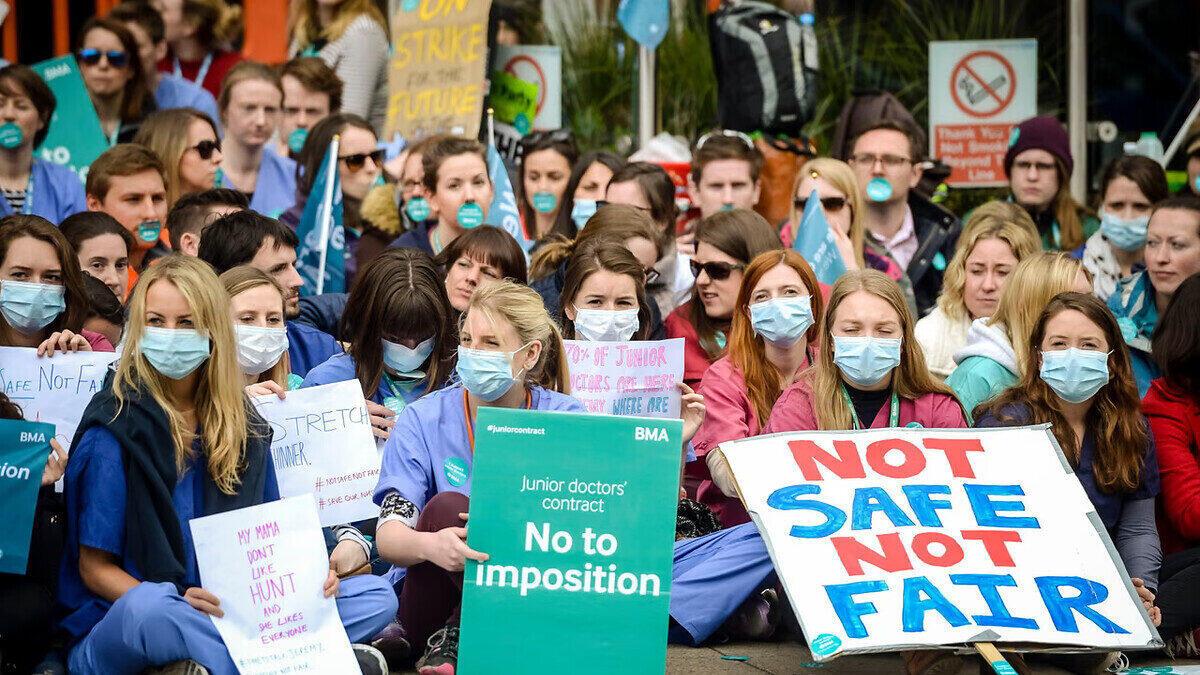
The UK's General Medical Council (GMC) has warned that junior doctor burnout is putting maternity patients at risk, citing its 2026 national training survey. The regulator says doctors training in obstetrics and gynaecology report more overwork and sleep deprivation than trainees in any other field of medicine or surgery.
The affected doctors are fully qualified but still in specialist training. They are also more wary than their peers of raising concerns, the GMC says.
What the survey found
The GMC analysed survey responses from 68% of trainee doctors, which includes registrars. That represents almost 52,000 people.
Almost one in three trainees in obstetrics and gynaecology felt hesitant or apprehensive about approaching a senior colleague about a patient. Across all specialties, the figure was one in five.
Some 70% were at moderate to high risk of burnout, against 61% across all specialties. One in three said they regularly suffered from sleep deprivation, compared with one in five among the wider pool of trainees.
Charlie Massey, head of the GMC, said doctors who feel they cannot speak up could have a "critical impact" on patients. "Creating environments where staff are supported, listened to and feel able to raise concerns is essential," he said.
He added that when things go wrong, it is "very often because of failures in terms of culture and leadership."
'Nothing has been done'
Author Adam Kay left medicine in 2010 after dealing with a traumatic birth incident. He wrote This is going to hurt: Secret Diaries of a junior doctor about his experiences, including caring for a mother who delivered a stillborn baby.
Kay called the report "pretty miserable reading" and said nothing has been done to improve workplace culture. He recalled little support after his own case: "There was no talk of a debrief. There was no offer of time off or counselling."
Culture is only part of the problem, he said. "There are fewer staff on the wards than ever," Kay said, adding that he cannot remember the last time he spoke to a doctor in the specialty who was not working out a plan B, whether going part time, moving abroad or leaving for the pharmaceutical industry.
"You should be able to go and take a break and go for a cup of tea or a wee, and that's not the case at the moment," he said.
A trainee's view
Dr Miriam Broughton, 27, is a resident doctor in her second year of training to become an obstetrics and gynaecology consultant. Decisions she makes sometimes keep her awake at night, but she says she would not change her job.
"Being there to deliver someone's baby at the best moment of their life is honestly one of the best things you could ever do," she said. She named the sheer number of demands placed on doctors in her field as the main challenge.
The Department for Health and Social Care said ensuring every maternity unit "meets the highest standards" was a priority.