Nvidia’s Jensen Huang Scandal Ends 33-Year Run as CEO Quits
Jensen Huang resigned as Nvidia CEO on Thursday, November 12, after reports of affairs, one with a woman US intelligence says worked for China. CFO Colette Kress is interim chief as shares fell as much as 14% and the Justice Department probes export controls.
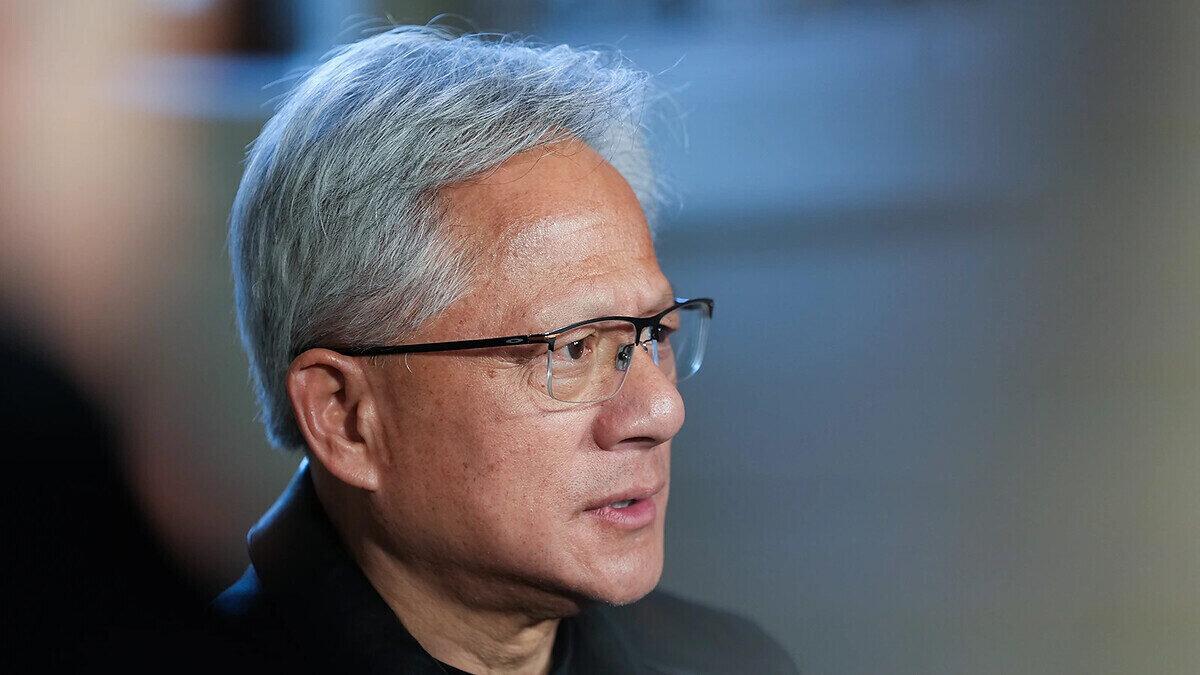
Nvidia founder Jensen Huang resigned as chief executive, president and board member on Thursday, November 12, ending a 33-year run at the head of the AI chipmaker after reports of extramarital affairs, one involving a woman US intelligence says was working for China. The departure was effective immediately.
Nvidia named its long-time chief financial officer, Colette Kress, as interim CEO and started a search for a permanent successor. Kress, 59, keeps her executive vice president and CFO roles, according to a securities filing.
Shares fall, then partly recover
The news rattled investors. Nvidia shares dropped as much as 14% before regaining some ground in afternoon trading. The company's market value stood at $4 trillion on Thursday afternoon.
Earlier this week the stock hit a 14-year low relative to earnings. A proposed shareholder class-action lawsuit also accuses Nvidia of misleading investors over Huang's relationship with Alice Huang, who is no relation to him.
The alleged spy link
Alice Huang is a former executive at Singapore-based Megaspeed International. She was reportedly suspected of working for Beijing. US intelligence agencies have determined she was a spy for the Chinese government, though China has rejected the claims.
The US Justice Department is investigating whether Megaspeed broke export control laws by helping China get restricted AI chips. It has not been established what Alice Huang may have passed to Chinese intelligence.
US intelligence concluded she had been recruited by China's Ministry of State Security to gather information on Huang and Nvidia, and possibly to influence the company's stance on selling advanced AI chips to China.
A board that changed course
The board had backed Huang days earlier. On Sunday it expressed "confidence in Jensen and his leadership team" while launching an independent investigation into reports that he had been the target of a foreign intelligence effort.
That shifted on Wednesday. Reports said Huang also had an affair with a Nvidia executive who runs the company's healthcare business, and the board met to decide his future. Nvidia did not immediately respond to a request for comment.
Charles Elson, a retired founding director of the John L. Weinberg Center for Corporate Governance at the University of Delaware, said the internal relationship was the turning point. "They had to lose trust in him once they learned of the internal affair," he said. He questioned whether Huang resigned or was pushed out.
Elson said the best governance practice would have been to put Huang on administrative leave when the board announced its probe. He also pointed to "key-man risk", where a well-known figure is viewed as irreplaceable.
How Beijing's intelligence system works
The Ministry of State Security is China's main civilian intelligence agency. It cultivates contacts in government, business, academia and overseas Chinese communities. There is no public figure for the size of its overseas network.
A UK parliamentary committee found that people cultivated by the ministry may not realize they are dealing with intelligence officers. US court documents allege the ministry and the Ministry of Public Security have used Chinese hacking groups to collect information and hide the government's role.
In one case, the Justice Department said a Chinese contractor sold or tried to sell stolen data to at least 43 bureaus of the two ministries across 31 provinces and cities. That does not mean every Chinese technology firm is part of a spy network.
Kress's pay totaled $14.34 million in the fiscal year ended January 25, 2026, against $36.3 million for Huang, according to a May 12 proxy filing. The filing disclosing her interim appointment did not detail any pay change.