Sujiko Ikura Autumn Pearls Arrive as Japan’s Salmon Return
Japan's autumn salmon run has brought sujiko and ikura to shops. The two forms of salmon roe differ in harvest timing, size and seasoning. Fresh sujiko is easy to find in supermarkets in October and November, and it can be turned into ikura at home.
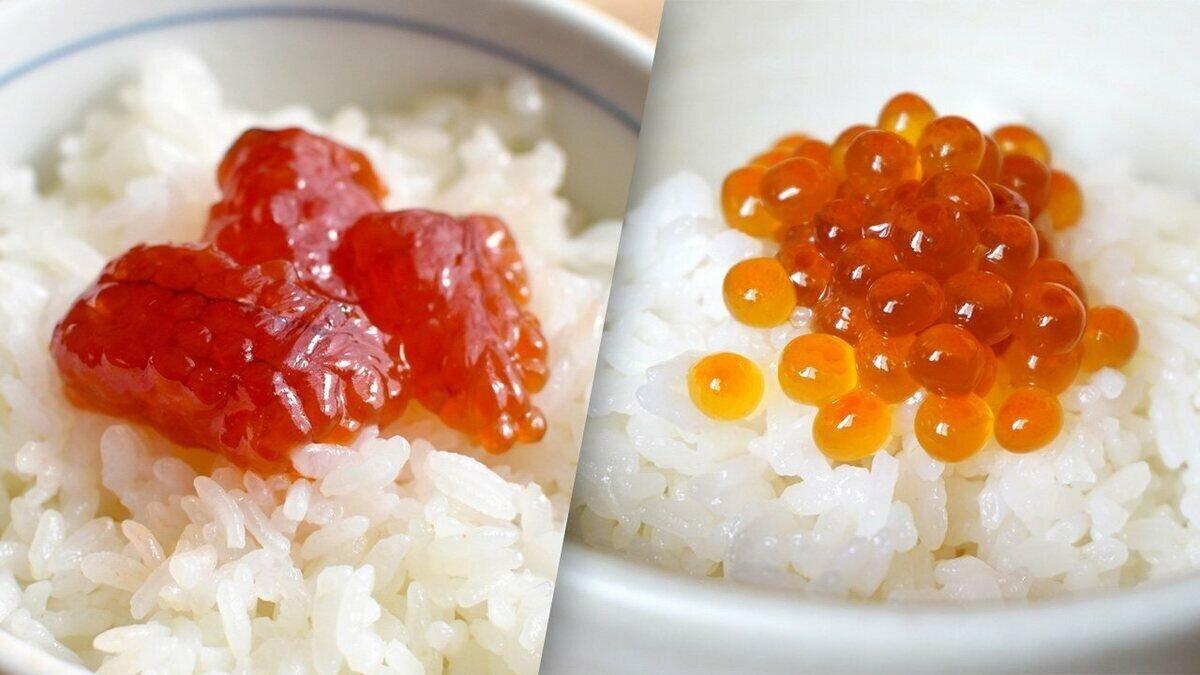
Fresh salmon roe is in Japanese supermarkets this autumn, and the sujiko ikura autumn pearls trade turns on a simple distinction: the eggs are sujiko while still in their membrane and ikura once separated. Salmon return runs peak in September and October, according to a November 14, 2026 feature on Japanese cuisine.
The fish are born in rivers across the Tōhoku and Hokkaidō regions of northern Japan. They head to sea and migrate for around three to five years, cycling between the Gulf of Alaska and the Bering Sea. Then they swim home to spawn.
Anglers wait along the coast for them. The roe of the female fish is so highly prized that it is called "rubies of the sea."
Cooks remove the whole roe sac from a caught female. While the eggs stay inside the membrane, they are sujiko. Once they are separated into individual little pearls, they become ikura.
The two differ in more than name. The sujiko sold in stores is made of small eggs harvested early in the season and salt-cured. It has a moist stickiness. In some regions it is marinated in miso or sake kasu, the lees left from sake, instead of salt.
Ikura is usually harvested when the salmon are closer to spawning, because the eggs are larger. Stores generally sell it marinated in a soy sauce-based liquid seasoning. The appeal is the little pop as the eggs burst in the mouth. The word ikura derives from the Russian for "fish roe" or "small grains."
Sujiko pairs well with rice and with sake.
Classic ways to eat it
The pearls tend to roll around, so in gunkan sushi, nori is wrapped around the nigiri rice and the ikura is piled in the center. Gunkan means warships.
Onigiri rice balls come topped with ikura or filled with sujiko. Specialty onigiri shops and convenience stores sell them, though they can be a little pricey.
Rice bowls use ikura with salmon or uni, sea urchin, covering the rice completely. The red color also decorates appetizers such as canapés and the festive chirashi-zushi.
Making ikura at home
The feature says sujiko is easy to find in supermarkets in October and November. Placed in lukewarm salted water, the eggs separate from the membrane surprisingly easily.
The cook then makes a soy-sauce-based marinade to taste, skipping additives and preservatives. It takes a bit of time and effort, the feature says, but it is "well worth it for the unbeatable taste of home-prepared ikura."