Turkish Airlines Cites Force Majeure for Denver Flight Cancellation
A Colorado couple says Turkish Airlines refused to cover a $512 hotel bill after its Denver-to-Istanbul flight was canceled on May 30. The airline blamed force majeure, though the passengers say they heard an overflowing toilet was the cause.
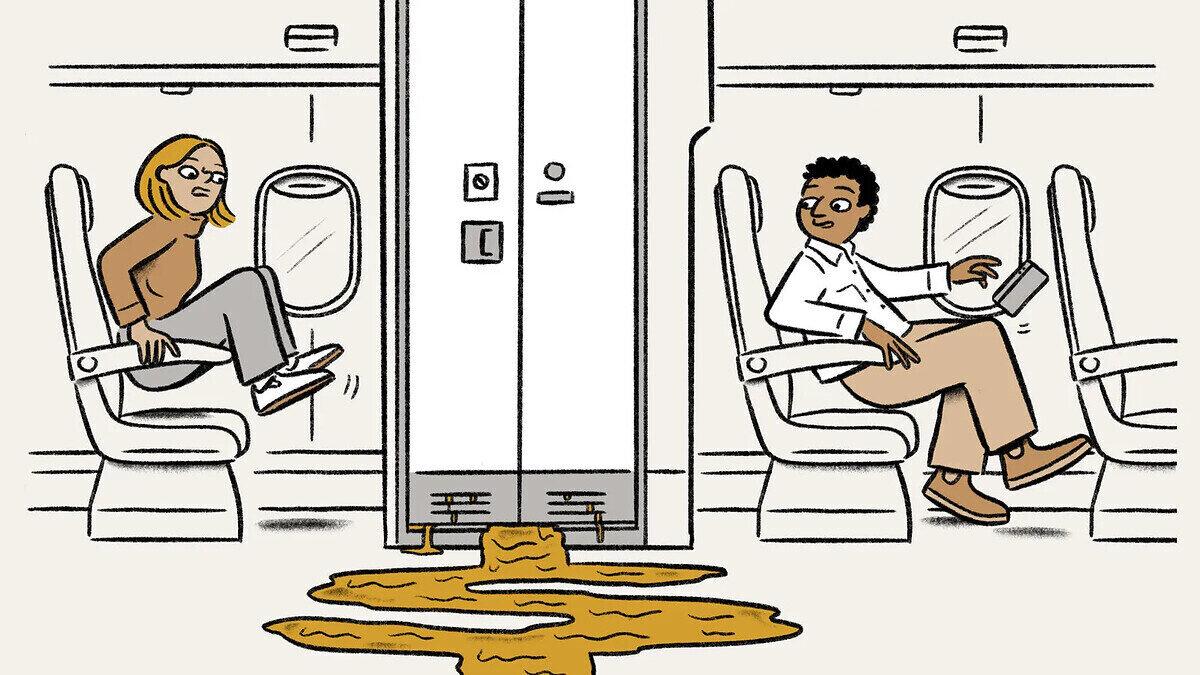
A Colorado couple says Turkish Airlines refused to reimburse a $512 hotel bill after its May 30 evening flight from Denver to Istanbul was canceled, citing "force majeure." Passengers on flights grounded for reasons within an airline's control can often claim lodging, and the traveler argues a broken toilet does not qualify as an act of nature.
Neal, a traveler from Broomfield, Colorado, and his wife were booked on the evening departure. The flight was delayed several hours because of what passengers were told was a mechanical problem.
A night at the airport hotel
Passengers boarded at around 11:30 p.m., taxied toward the runway and then returned to the gate. The flight was canceled at around 1 a.m.
Gate agents told passengers no hotel vouchers were available. They advised them to book their own rooms and submit receipts to the airline, according to Neal.
The couple stayed at the airport Westin, paying $512 including taxes and breakfast, and flew out the next day. Neal said they later heard that an overflowing lavatory had caused the cancellation, and that a local newspaper headline described urine and feces erupting from the plane's toilet.
Airline's explanation
The airline then sent a message attributing the disruption to "force majeure." Neal said the term means to him an earthquake or a war. He called Turkish Airlines and was told to submit his receipts online, which he did twice without getting a response.
The distinction matters because of how airlines word their cancellations. For mechanical problems, passengers are often covered for lodging, transportation and meals. For weather or air-traffic problems, they almost never are.
US regulations define those categories but do not require airlines to pay for stranded passengers' expenses. All the major US carriers except Frontier explicitly promise hotel stays in their customer service plans when the cause is under their control.
Turkish Airlines' policy for US flights is a bit looser, but the carrier usually offers lodging for controllable disruptions. Its customer service plan says it pays for hotels only if the reason for the cancellation was under its control.
Proving the exact cause of a disruption is hard, according to the travel columnist who reviewed the case. Disruptions can have several causes, and the US Department of Transportation gives airlines flexibility in deciding the main one. If a mechanical fault is followed by a storm that closes an airport, for example, an airline can blame the weather.
In this case, the columnist said the evidence looked overwhelming. Force majeure generally refers to extraordinary circumstances beyond a carrier's control, such as a natural disaster, and a malfunctioning toilet is "hardly earthquake-level terrible," the columnist wrote.