Poland’s 2030 Climate Plan Gets EU Nod, With Gaps on Forests and Subsidies
The European Commission said Poland's final updated National Energy and Climate Plan can deliver its 2030 climate and energy targets if fully carried out. The
The European Commission said Poland's final updated National Energy and Climate Plan can deliver its 2030 climate and energy targets if fully carried out. The Commission published its assessment on November 13, noting that Poland raised its ambition compared with its draft plan.
The plan, known as an NECP, sets out how each EU country intends to cut emissions and shift its energy system. The Commission said full delivery of Poland's plan would also contribute to the bloc's 2040 and 2050 climate targets.
Poland is on track to meet its target under the Effort Sharing Regulation, the Commission concluded. That rule covers emissions from sectors such as transport, buildings and agriculture. Poland must cut those greenhouse gas emissions by 17.7% by 2030 compared with 2005 levels.
One gap remains. In the land use and forestry sector, known as LULUCF, the plan projects a significant rise in carbon removals by 2030. Even so, Poland still faces a projected shortfall against its target for that sector.
The Commission's guidance for implementation points to three areas. It calls on Poland to increase carbon removals under the LULUCF Regulation and to introduce stronger measures in the buildings sector. It also advises phasing out fossil fuel subsidies.
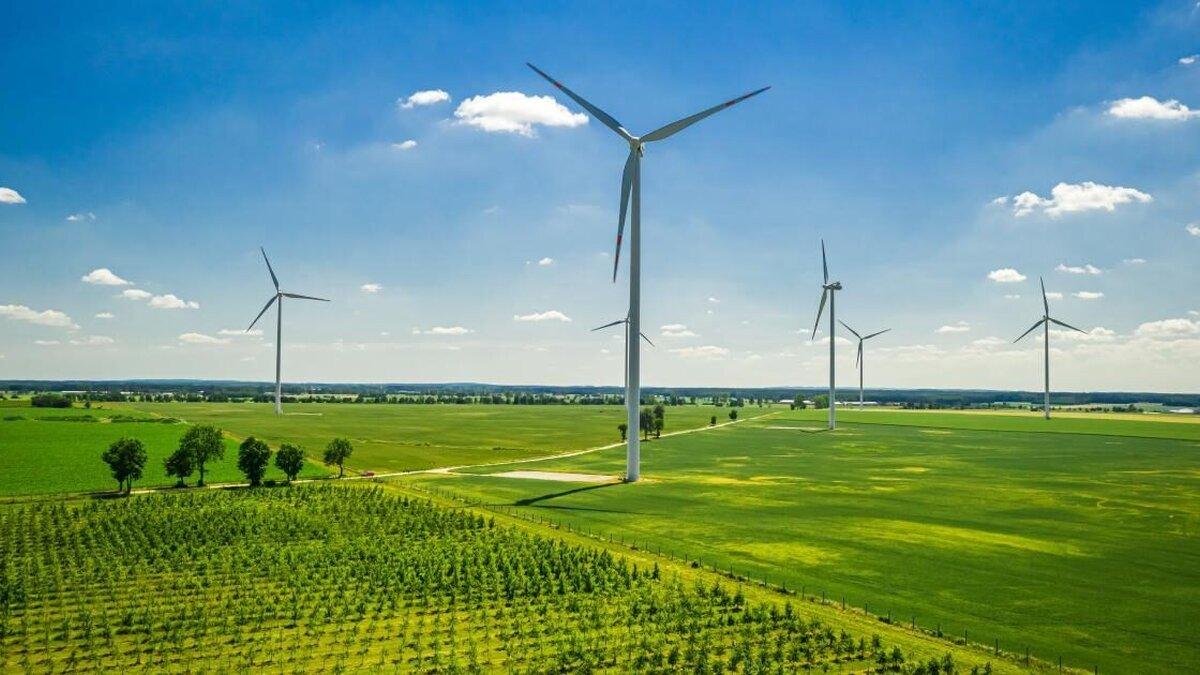
On renewable energy, Poland's updated national contribution now aligns with the EU's overall 2030 renewable energy goal, according to the assessment.
The guidance is advice on how to carry out the plan, not a new legal requirement stated in the assessment. The three areas it names are the ones to watch as Poland moves from planning to delivery.