Author Tae Kim Says Nvidia Should Pick Haas or Buck to Replace Huang
Tae Kim, author of The Nvidia Way, says Nvidia's board should consider only two candidates to replace Jensen Huang: Arm CEO Rene Haas and Nvidia executive Ian Buck. He also urges the company to keep GPU engineering chief Jonah Alben.
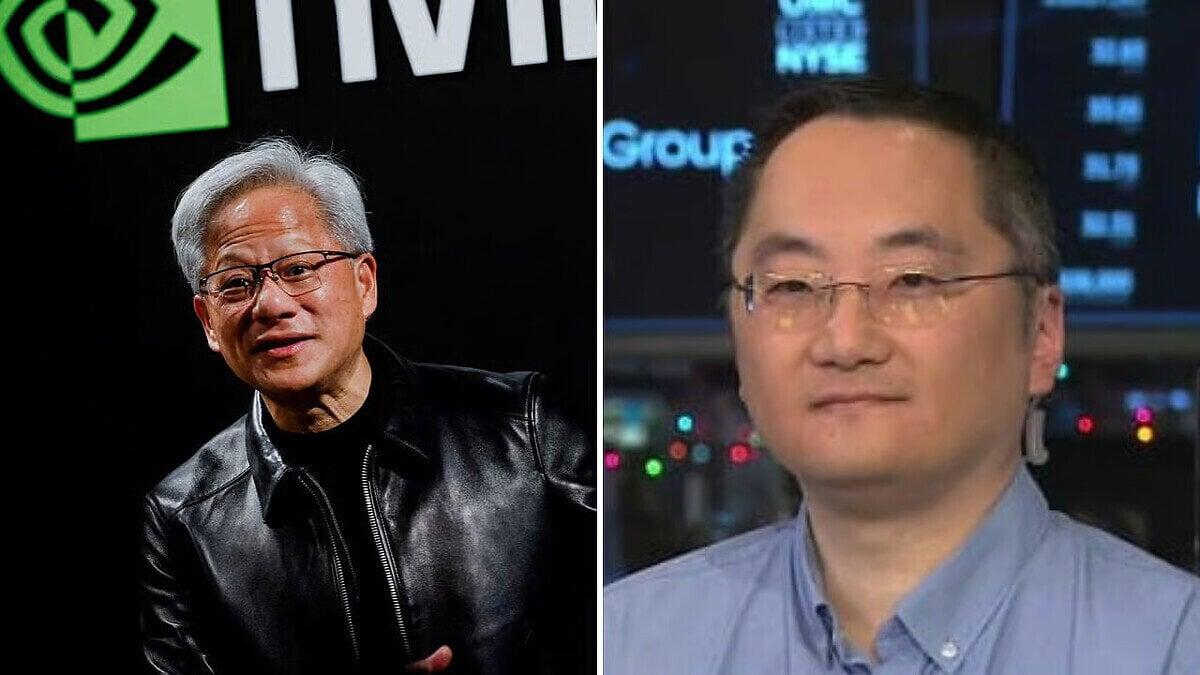
Tae Kim, author of the book The Nvidia Way, says Nvidia's board should choose between Arm Holdings CEO Rene Haas and Nvidia executive Ian Buck to succeed Jensen Huang as chief executive. Kim made the case after news broke that Huang is leaving the chipmaker.
The succession matters well beyond one company. Nvidia is one of the world's most influential technology firms, and investors are asking whether it can keep its momentum without the man who built it.
Kim's answer is yes. He says Nvidia has enough leadership talent and institutional strength to thrive under a new chief executive.
Huang's departure followed his infidelity with two women, according to the account of Kim's remarks. Kim describes the news as a shock but says the board should stay focused on just two names.
The case for Rene Haas
Kim's first choice is Haas, who runs Arm Holdings and is a former Nvidia executive. Kim says Haas combines technical understanding, executive experience and leadership skills.
At Arm, Haas has shown he can manage a major technology company outside Nvidia. He also knows Nvidia's corporate culture and many of its senior executives.
That familiarity could help during a transition, Kim argues. Former Nvidia employees have spoken highly of Haas and enjoyed working under him, according to Kim.
Kim says a Haas appointment would offer continuity without copying Huang's style. Haas also has the public-facing presence to reassure investors, employees, customers and partners, he says.
Ian Buck as the technical choice
Kim's second candidate is Buck, Nvidia's vice president of hyperscale and high-performance computing. If Haas is the experienced corporate leader, Kim says, Buck represents Nvidia's technological roots.
Buck invented CUDA, the software platform that helped turn Nvidia's graphics processors (GPUs) into the foundation of modern AI development. He now oversees products and technologies used by major cloud providers and other large customers.
Kim believes Buck has the engineering expertise, customer relationships and employee respect to guide the next phase of growth. Choosing him would signal that Nvidia's future stays rooted in technical innovation.
Keeping Jonah Alben
Kim also names a retention priority: Jonah Alben, Nvidia's senior vice president of GPU engineering. Alben plays an essential role in developing the company's GPU architecture and long-term product roadmap.
Keeping Alben alongside Buck would help ensure technical development continues without disruption, Kim says. The board's task is not only to replace Huang but to protect the engineering leadership behind Nvidia's competitive advantage.
Kim acknowledges that Huang's exit ends an extraordinary era. He no longer believes, however, that Nvidia's success depends on one individual. Demand for AI computing remains enormous, he says, and the company's technology, talent and customer relationships give it a strong base for growth.