Eisenkot Would Inherit U.S.-Israel Rift as Trump Cuts Aid
Gadi Eisenkot, a former Israeli military chief, has been given the chance to form a new governing coalition and replace Prime Minister Benjamin Netanyahu.

Gadi Eisenkot, a former Israeli military chief, has been given the chance to form a new governing coalition and replace Prime Minister Benjamin Netanyahu. Success is far from certain. If he gets there, he would face an immediate problem: badly damaged ties with Washington, Israel's closest ally.
The damage is already deep. Many Americans have soured on Israel because of its devastating military campaign in Gaza. Opinion has hardened further over Israel's part in pushing for war with Iran, which sent U.S. gas prices soaring.
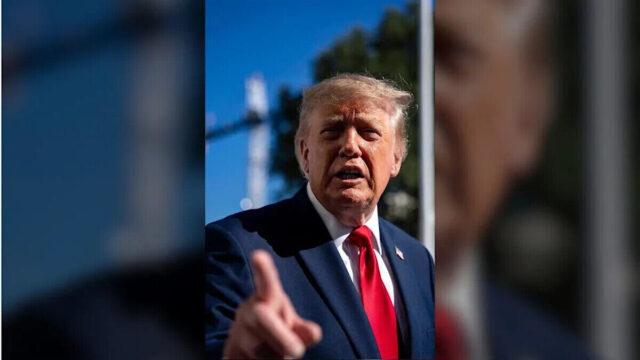
President Donald Trump recently said he would end billions of dollars in annual U.S. military aid to Israel by the end of the year. He also partly blamed Israel for Republican losses in the midterm elections.
More pressure may follow. Democratic control of Congress could quickly bring sanctions on violent Israeli settlers and on new settlement building in the occupied West Bank. New conditions on arms sales are also possible.
That would remove a long-standing safety net. Michael Oren, a former Israeli ambassador to Washington, noted that in past clashes with the White House, Israel could always turn to Congress for backing.
What is established, and what is argument
The aid cut announcement, the Republican election losses and Democratic control of Congress are developments already on the record. The idea that Eisenkot could repair the relationship comes from an opinion-driven analysis of how a change of leadership might help, not from any agreed plan.
Eisenkot must first assemble a coalition. Whether he can do that will decide whether any attempt to rebuild ties with Washington gets started.
The settlement sanctions and arms-sale conditions are possibilities tied to Democratic control of Congress, not measures that have been enacted.