SpaceX’s Giant Rocket May Leave NASA Without a Ride to Orbit
SpaceX planned an ambitious Starship test flight on November 13, 2026. Experts say the rocket's rapid development, and the company's plan to retire Falcon 9, could leave NASA without its only US astronaut ferry to the International Space Station.
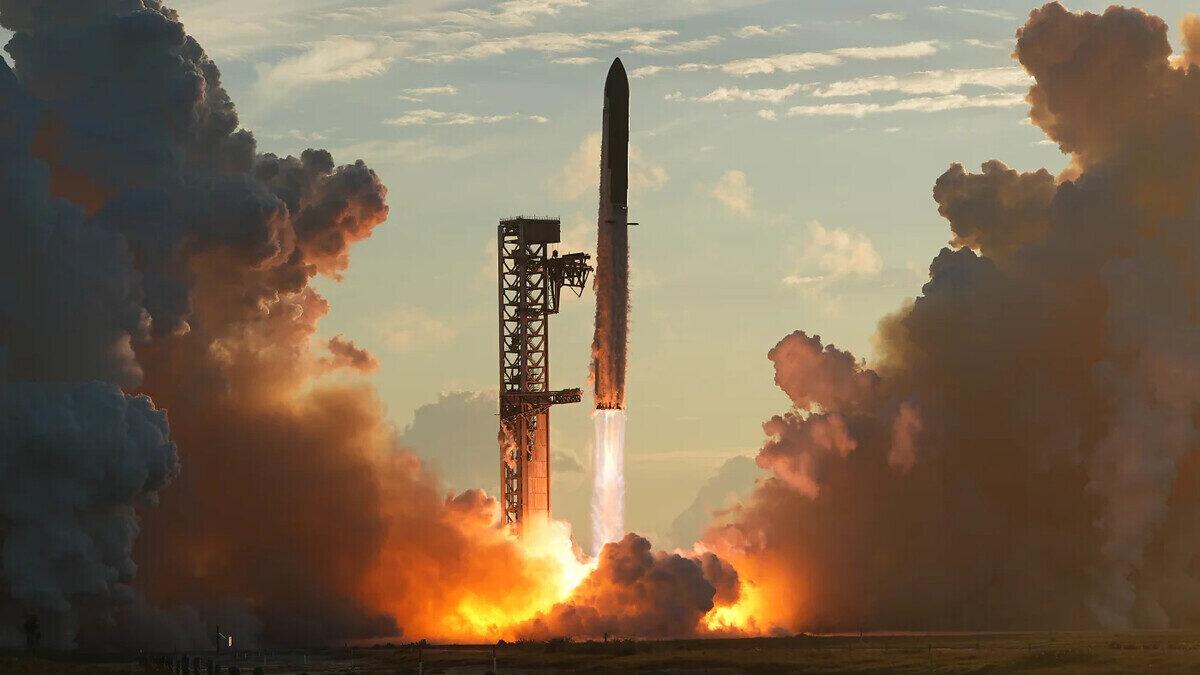
SpaceX's giant rocket may leave NASA without a way to send astronauts to the International Space Station. The company planned its most ambitious Starship test yet on Friday, November 13, 2026, while saying it will eventually stop flying the smaller Falcon 9 rocket.
That matters because Falcon 9 launches SpaceX's Dragon capsule. Dragon is currently the only American spacecraft that can carry NASA astronauts to and from the station.
The Starship test
If everything went to plan, Starship would lift off from a pad in South Texas, circle the Earth and land vertically at the same pad 22 and a half hours later. Starship is the largest rocket ever built, but it cannot yet carry astronauts.
Company founder Elon Musk has said he hopes it will one day take people to Mars.
Why NASA is exposed
Experts say Starship's rapid development could strand one of SpaceX's biggest customers. "Because Dragon has become such a successful and reliable vehicle, it became the de facto way for astronauts to get to orbit," said Caleb Henry, director of research at Quilty Space, a firm that tracks the space industry.
NASA announced in September that it has contracted with SpaceX for three additional station flights. Flown consecutively in six-month increments, with no further contracts, those missions would keep Dragon flying only through 2028. The station is set to retire in 2030.
SpaceX President Gwynne Shotwell has compared Dragon to a minivan. "The road trip to Mars is six months — so you don't want to be in the minivan," she said. "We definitely want to move from the older technology to the newer technology."
NASA said in an emailed statement that it and SpaceX "continue to work closely together across numerous missions and contractual agreements, including crew and cargo transportation to the International Space Station." The agency added: "As the commercial space industry evolves, so will the technologies and services available to NASA."
A reversal of fortunes
The dependence once ran the other way. In 2008, after multiple Falcon 9 failures, SpaceX was on the ropes. "We were running on fumes at that point, we had virtually no money," Musk said in a 2014 interview.
Then, days before Christmas, NASA awarded the company a large contract. "I couldn't even hold the phone, I just blurted out, 'I love you guys!'," Musk said.
For the next decade, NASA and eventually Pentagon contracts supplied a big share of SpaceX's revenue. That changed in 2020, when the company launched Starlink, a subscription satellite internet service. Starlink subscriptions quickly eclipsed the money SpaceX made from launching rockets.