Early Morning Exercise May Help Body Shift From Sleep to Wakefulness
A University of Southern California professor says morning movement can support the body's internal clock, but the sleep benefits vary by person. The advice comes as an Asics report finds people spend 86 per cent of waking hours not moving.
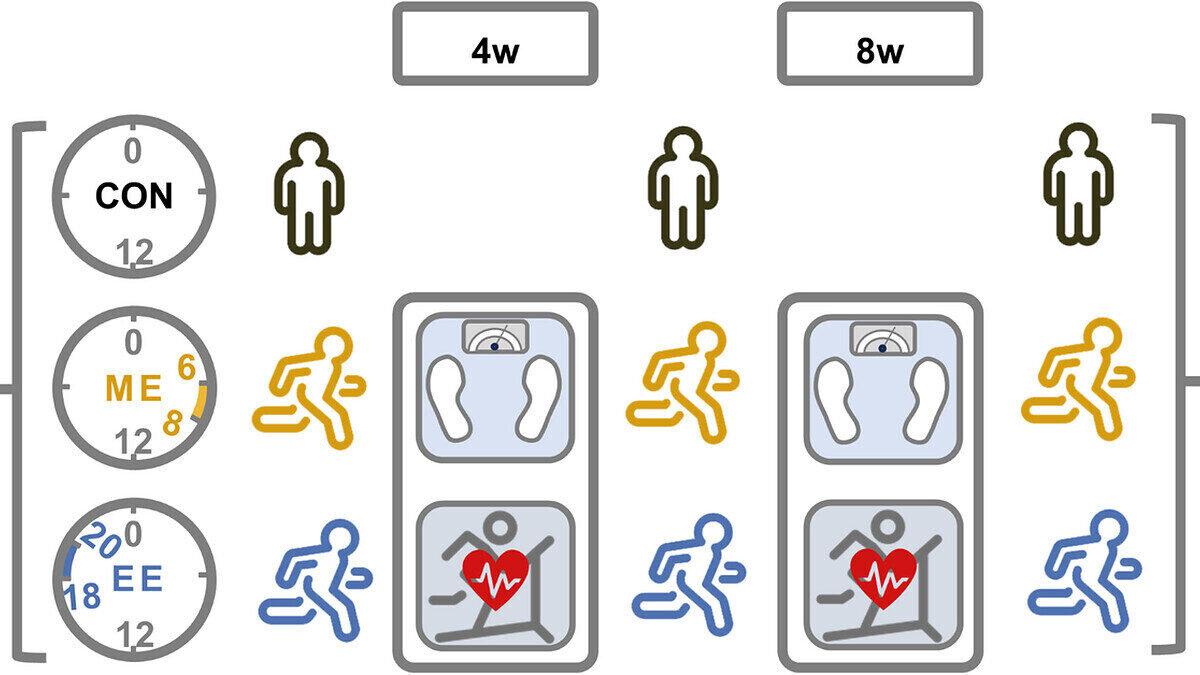
Exercising in the early morning can help the body shift from sleep to wakefulness and may support its internal clock, though the effects vary from person to person, according to David Raichlen, professor of anthropology and biological sciences at the University of Southern California. Raichlen co-authored a new report on how little modern adults move. Here is what he and the research say exercising before 8am does to your body.
The report, The Movement Conservation Report from sportswear maker Asics, found that people spend 86 per cent of their waking hours not moving. Almost two-thirds of adults say it is now easy to go a whole day barely moving at all.
Waking up the brain
That groggy feeling when an alarm goes off is partly sleep inertia, a temporary dip in alertness as the brain adjusts to being awake. Attention, reaction times and decision-making can take time to recover, especially after too little sleep.
The body has its own preparation. Cortisol levels typically rise in the minutes after waking, a process known as the cortisol awakening response. "Body temperature, heart rate and blood pressure adjust as we move from sleep to wakefulness," Raichlen explains.
Before a hard session, a few minutes of warm-up lets heart rate and breathing climb gradually. Once exercise starts, working muscles need more oxygen, so the heart beats faster and pumps more blood. Adrenaline and noradrenaline drive that response, and breathing becomes faster and deeper.
You do not need to sprint. Even a brisk walk raises energy use and makes the heart and lungs work harder than at rest.
Body clock and sleep
"Morning movement may also help reinforce your body's internal clock, particularly when combined with daylight," Raichlen says. Over time, he adds, that sharpens the line between daytime activity and nighttime rest.
A review of the evidence on exercise, circadian rhythms and sleep found that morning exercise can advance dim-light melatonin onset, the point in the evening when the body starts producing melatonin. That could improve sleep quality, particularly for people whose natural sleep-wake cycle runs later.
An early workout will not automatically improve sleep, though. The effect depends on a person's existing body clock, the timing and intensity of exercise, and light exposure. "Nor should you sacrifice sleep to fit in a workout: getting enough rest remains essential for recovery and overall health," Raichlen says.
Fasted workouts
Some people train before breakfast because they have heard it burns more fat. There is some science behind the idea. After an overnight fast, insulin levels are generally lower and the liver's glycogen stores, its readily available carbohydrate reserves, have fallen.
 Take the quizWhat Kind of Holiday Spender Are You? Take the Black Friday QuizStart →
- 1Column: 4 Reasons to Eat Dark Chocolate, Dietitians Say

- 2Aspyn Ovard Reveals Daughter Has Terminal Cancer on Mormon Wives

- 3Chrissie Swan, 52, Tears Up Over Secret Surprise While Recovering

- 4Box Office: Johnny Depp’s Ebenezer Rings Up $7.1M on Friday

- 5Microsoft Outage Not a Cyber Attack, Company Says, as Fixes Roll Out

 Lifestyle7 Quiet Habits of Emotionally Intelligent People, According to Psychologists
 LifestylePeople Who Don’t Like Celebrating Their Birthday Often Share These 7 Traits
 Lifestyle · Food & HealthVitamin D in Winter: Do You Need a Supplement, and How Much?
 Lifestyle · Food & HealthWhat Is Seasonal Affective Disorder? Signs, Causes and What Helps