Psychologist Calls Craig Silvey’s Apology a Display of Abusers’ Defences
A clinical and forensic psychologist says author Craig Silvey’s 9,000-word Substack apology after a child exploitation conviction shows typical defences used by offenders. Silvey was recently sentenced to seven months’ jail. The psychologist points to denial and self-pity.

A clinical and forensic psychologist has called author Craig Silvey’s 9,000-word Substack apology “a masterclass in the operation of typical psychological defences and rationalisations by perpetrators of abuse.” The psychologist’s reading of Craig Silvey’s post, published as a commentary, focuses on denial and self-pity.
Silvey wrote the post after his conviction on child pornography charges. The psychologist works with both offenders and victims of similar offences and says Silvey’s explanations closely mirrored those offenders have given to the psychologist.
The case
Silvey is an award-winning author of young adult fiction. His books have sold more than a million copies and been adapted for film and stage.
Earlier this year he was charged with one count each of possessing and distributing child exploitation material. Other charges were dropped in a plea deal. He was recently sentenced to seven months’ jail.
According to the commentary, Silvey had several videos and photos of the most serious category of such material on his devices. He later told the court he had lied in online chats about having a broader collection.
Denial in the apology
The psychologist says denial runs through the apology. Silvey opens by saying he downloaded and transmitted one image, the commentary says, without mentioning the other images found on his devices. Those did not feature in his conviction because of the plea bargain.
The psychologist notes that denial and minimisation have limited value in predicting whether someone will reoffend, compared with factors such as sexual deviance and anti-sociality. They do, however, point to how aware a person is of their own weak spots.
Silvey writes that “remorse is a constant companion, but so too is my commitment to accountability.” The psychologist argues that on one point he stays silent: what his testimony reveals about his “desperate desire to believe the best of himself.” The psychologist adds that he “seems to honestly believe he can write himself back into public trust.”
Trauma as explanation
Silvey also writes: “I have not been mentally well. In an effort to survive intolerable burdens, I made terrible mistakes, and I broke down and fell apart.” He says the man who emerges will be “healthy, honest, humble, resilient, vulnerable, and a worthy contributor to our social contract.”
The psychologist accepts that denial is a common human trait. But most people, including those who have suffered trauma as Silvey says he did, do not commit such acts, which the psychologist says makes his denial ethically more significant.
Relying on trauma as the sole explanation, the psychologist writes, mirrors the psychological factors Silvey tries to prove he has overcome: self-serving bias, a lack of self-awareness and an overriding desire to belong.
 Take the quizWhat Kind of Holiday Spender Are You? Take the Black Friday QuizStart →
- 1Column: 4 Reasons to Eat Dark Chocolate, Dietitians Say

- 2Aspyn Ovard Reveals Daughter Has Terminal Cancer on Mormon Wives

- 3Chrissie Swan, 52, Tears Up Over Secret Surprise While Recovering

- 4Box Office: Johnny Depp’s Ebenezer Rings Up $7.1M on Friday

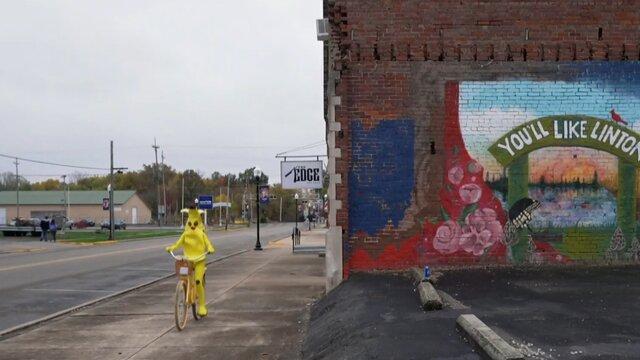
- 5Banana Man of Linton, Indiana Breaks Silence: “I Like Making People Smile
 Lifestyle7 Quiet Habits of Emotionally Intelligent People, According to Psychologists
 LifestylePeople Who Don’t Like Celebrating Their Birthday Often Share These 7 Traits
 Lifestyle · Food & HealthVitamin D in Winter: Do You Need a Supplement, and How Much?
 Lifestyle · Food & HealthWhat Is Seasonal Affective Disorder? Signs, Causes and What Helps