Blocking Protein AEBP1 Prevented Heart Failure After Heart Attack in Mice
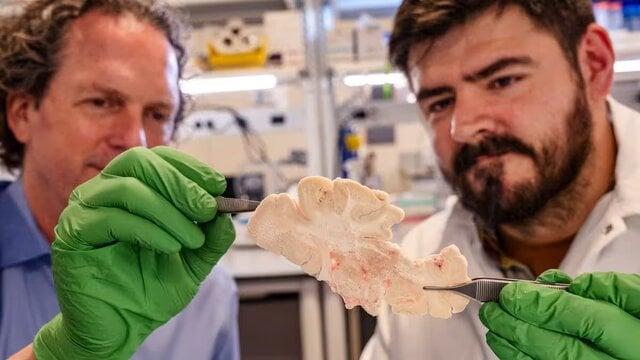
University of Utah Health researchers report that blocking a scar-forming protein called AEBP1 stopped severe heart failure from developing in mice after a heart attack. The work, published in Nature Communications, also improved damaged human heart tissue in the lab.
Researchers at the University of Utah Health report that targeting excessive scarring could prevent heart failure after a heart attack, at least in mice. Blocking a protein called AEBP1 stopped severe heart failure from developing, according to findings published in Nature Communications.
The team also found that lowering AEBP1 improved the structure of damaged human heart tissue in the lab.
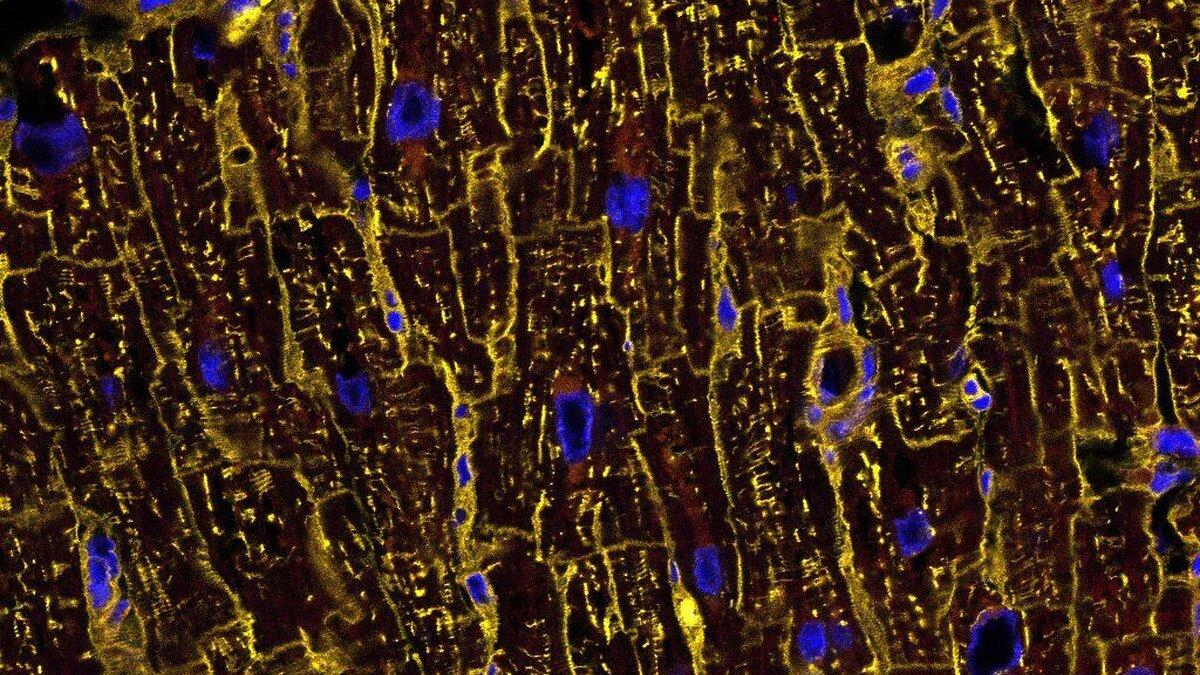
Most cases of heart failure stem from too much scar tissue in the heart. Some scarring is needed to repair damage from a heart attack. But overactive cells called fibroblasts can keep making scar tissue, leaving the heart stiffer and weaker at pumping blood.
No therapy currently exists to prevent or treat this cardiac fibrosis, the researchers noted.
"For the first time, we show that if we suppress AEBP1, it prevents heart failure progression and preserves cardiac function," said Thirupura Shankar, PhD, a postdoctoral researcher at the Nora Eccles Harrison Cardiovascular Research Training Institute at University of Utah Health and the study's first author.
AEBP1 was already known to play a part in harmful fibrosis in several organs. Its role in the heart had been unclear.
What the experiments showed
In mice, reducing AEBP1 in fibroblasts after a heart attack significantly improved heart function four weeks later. Timing mattered, though. Lowering AEBP1 after heart failure had already progressed brought no improvement, which suggests a window of opportunity before the damage becomes irreversible.
The team also analyzed human heart tissue. AEBP1 gene expression was higher in patients with advanced heart failure, particularly around areas of cardiac injury. The researchers identified several genes the protein regulates that drive fibroblast activation and scar formation: MRTFB, RUNX2, SM22 and COL1A1.
Using donated human tissue, they raised AEBP1 levels in healthy heart tissue. The cells changed in ways resembling heart failure. Lowering AEBP1 in tissue from heart failure patients improved the look of heart cells and reduced scarring.
Why scarring cannot simply be switched off
The researchers caution that blocking scar formation entirely would not help, because fibrosis is part of healing.
"Fibrosis is part of healing," said Stavros Drakos, MD, PhD, professor of medicine at University of Utah Health. "We need to first complete the healing, and then do the anti-fibrotic process. Future studies will be needed to determine the optimal timing of AEBP1 reduction to maximize heart function after a heart attack."
Shankar said more work is needed, including long-term studies. "There is potential for AEBP1 as a therapeutic target to suppress or slow down heart failure progression," he said.
 Take the quizWhat Kind of Holiday Spender Are You? Take the Black Friday QuizStart →
- 1Column: 4 Reasons to Eat Dark Chocolate, Dietitians Say

- 2Aspyn Ovard Reveals Daughter Has Terminal Cancer on Mormon Wives

- 3Chrissie Swan, 52, Tears Up Over Secret Surprise While Recovering

- 4Box Office: Johnny Depp’s Ebenezer Rings Up $7.1M on Friday

- 5Microsoft Outage Not a Cyber Attack, Company Says, as Fixes Roll Out

 Lifestyle7 Quiet Habits of Emotionally Intelligent People, According to Psychologists
 LifestylePeople Who Don’t Like Celebrating Their Birthday Often Share These 7 Traits
 Lifestyle · Food & HealthVitamin D in Winter: Do You Need a Supplement, and How Much?
 Lifestyle · Food & HealthWhat Is Seasonal Affective Disorder? Signs, Causes and What Helps