Indonesia Court Orders Military Justice Law Reformed Within Two Years
Indonesia’s Constitutional Court ruled that the 1997 Military Justice Law will become invalid unless lawmakers amend it within two years. The decision could allow soldiers accused of ordinary crimes and human rights violations to be tried in civilian courts, a change welcomed by rights groups.
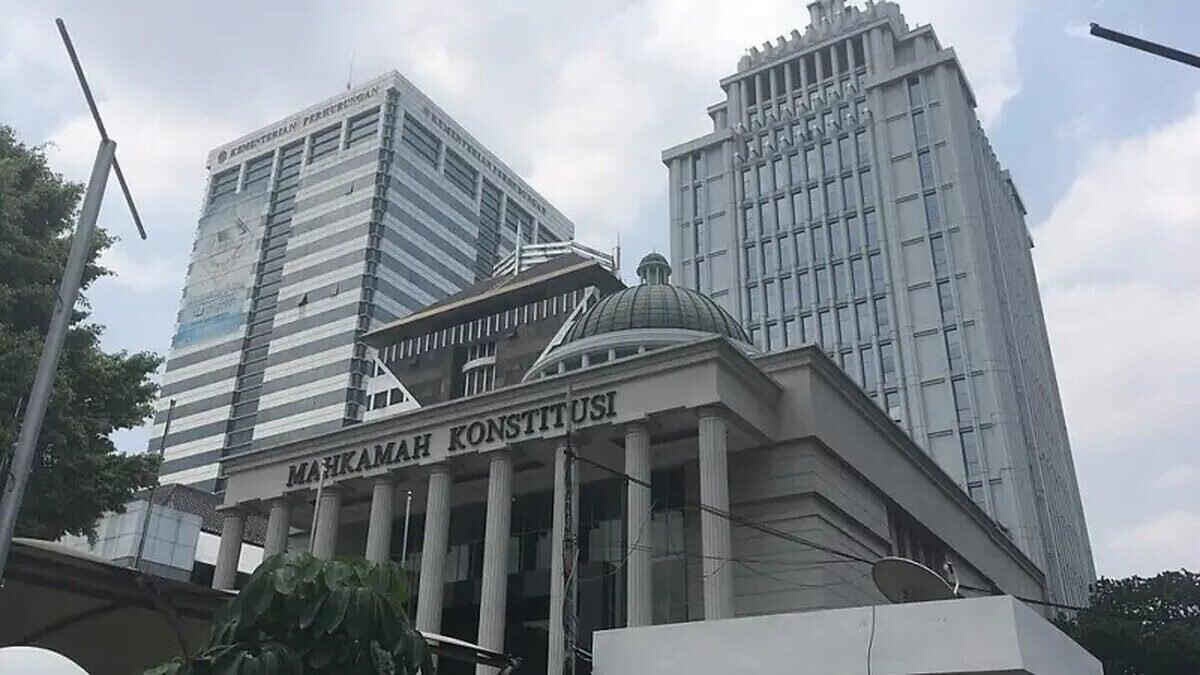
Indonesia’s Constitutional Court ruled that the country’s 1997 Military Justice Law will become invalid unless lawmakers amend it within two years, a decision hailed by rights groups as a win against impunity indonesian advocates have sought for decades.
The October 15 ruling could allow soldiers accused of ordinary crimes and human rights violations to face civilian courts. Under Article 9 of the law, active-duty members of the Indonesian National Armed Forces are held exclusively within the military justice system, including when accused of civilian offenses.
Human rights groups welcomed the decision, saying military courts have failed to investigate and prosecute serious abuses by soldiers. They have also raised concerns that military judges are active-duty personnel and that investigations and prosecutions can occur within the military chain of command, behind closed doors and without public oversight.
One petitioner, Eva Meliani Pasaribu, is the daughter of journalist Rico Sempurna Pasaribu, who was killed in June 2024 after reporting on a gambling operation allegedly involving a senior military official. The military investigated the case behind closed doors and dismissed the allegation for lack of evidence.
At the court hearing, petitioners’ legal counsel Ibnu Syamsu Hidayat argued that the law weakens civilian authority in a democracy. He said its provisions had been interpreted to cover offenses including corruption, traffic violations, domestic violence and child protection cases.
Military leaders defended the law during the hearing. Marshal H. Haris Haryanto, director general of Defense Forces at the Ministry of Defense, said soldiers’ actions “can also affect the solidarity and readiness of the military institution.”
National Armed Forces commander General Agus Subiyanto said the petition did not reflect “a comprehensive understanding of the characteristics of military law.” He also argued that military judges have constitutionally guaranteed judicial independence and are supervised by the Supreme Court.
Legal experts at the hearing called for changes to bring the law in line with democratic principles and current human rights standards. Al Araf said it was drafted under an “authoritarian political regime” that disregarded the rule of law.
Human rights group KontraS welcomed the decision. It said one of its employees had been attacked with acid by a group of soldiers and that the ruling could allow soldiers accused in such cases to be tried in public courts.
Free Press Unlimited called the ruling “a true victory for justice and a critical step for Indonesia in its fight against impunity.” The organization urged lawmakers to begin reforms promptly.
Indonesian and international civil society groups are urging lawmakers to consult the public and other stakeholders as they work on the amendments.
 Take the quizWhat Kind of Holiday Spender Are You? Take the Black Friday QuizStart →
- 1U.S. Emergency Alert Test Nov. 17 Is Not a Power Outage

- 2Women With Autoimmune Diseases Wait About 4 Years for Diagnosis, Study Finds

- 3DUP Chairman Lord Morrow Loses Wife and Daughter Within Hours in NI

- 4Micron Stock Falls 28% as $35.16 Billion Buyback Nears

- 5I’m A Celebrity 2026 Line-Up: Rooney Leads 11 Stars Into Jungle

 Lifestyle7 Signs Your Social Battery Is Running Low (and Why You Keep Cancelling Plans)
 Lifestyle · Food & HealthThanksgiving Food Safety: How Long Leftovers Last and the Safe Turkey Temperature
 Lifestyle7 Quiet Habits of Emotionally Intelligent People, According to Psychologists
 LifestylePeople Who Don’t Like Celebrating Their Birthday Often Share These 7 Traits