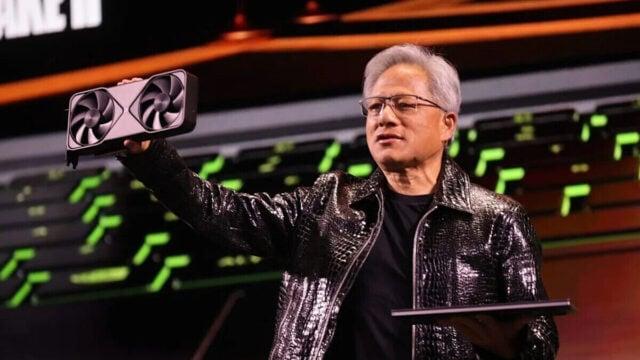
Jensen Huang Ouster Weakens Challenge to Anthropic’s IPO
Nvidia’s push to expand open-weight AI models challenged Anthropic’s paid services just as the startup prepares for a stock market debut this week. Huang’s departure could weaken that effort, while new US chip restrictions align with Anthropic CEO Dario Amodei’s position on sales to China.
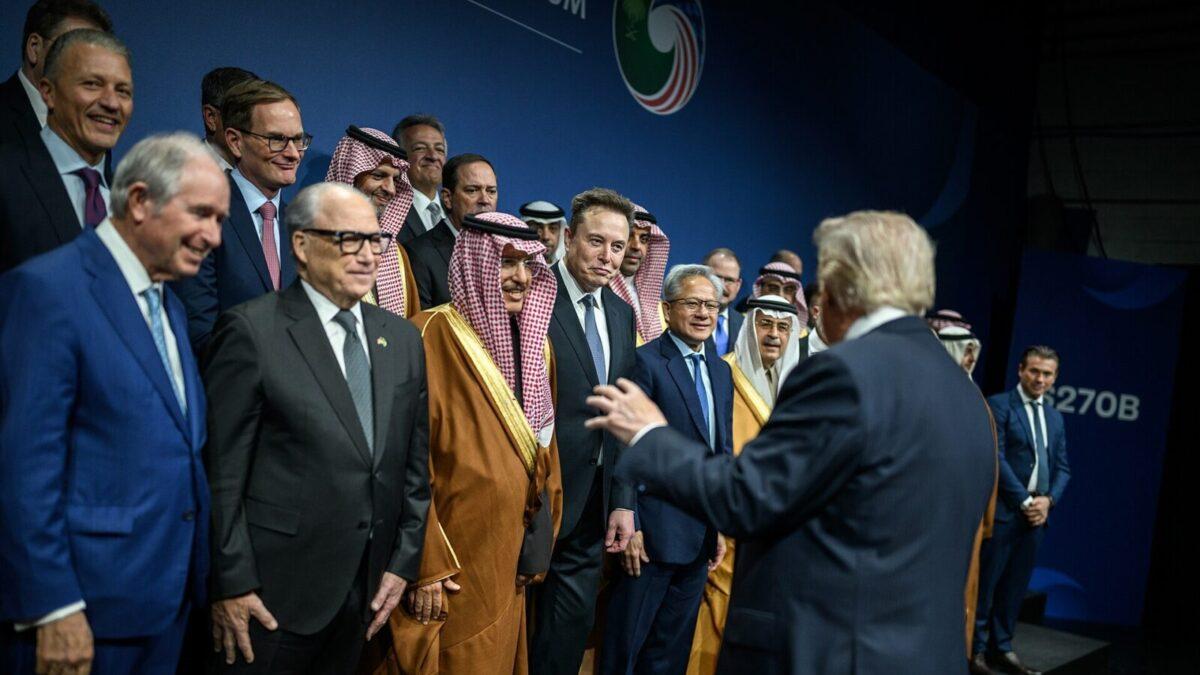
Jensen Huang’s departure from Nvidia could weaken the chipmaker’s challenge to Anthropic’s business as the AI startup prepares for a stock market debut this week. The IPO could value Anthropic at $1.4 trillion.
Huang had backed cheaper, open-weight AI models that businesses can download, modify and run independently. That approach offered an alternative to paying Anthropic to use its closed AI models.
Nvidia backed open-model competitors
Nvidia developed its own open-model family, Nemotron, and backed Reflection AI, Thinking Machines Lab and Poolside. It also moved to acquire Hugging Face, a platform for sharing open-weight models.
Those efforts threatened Anthropic’s model of spending heavily to develop closed AI systems and charging customers to use them. Open models can give businesses more control over their AI systems without paying a leading lab each time they use the technology.
The CEO of an unnamed leading AI startup described the competition as a “Cold War” between Nvidia and AI labs. The executive said that Nvidia was pursuing its own models, investing in rivals and building an ecosystem that could challenge Anthropic and OpenAI.
Replit CEO Amjad Masad called Huang’s ouster “an attack on open models” at a Silicon Valley conference on Monday. “Jensen is the premier champion of open models,” Masad said.
Huang made the case for open models at a Fireworks AI conference in San Francisco on November 3. He told Fireworks CEO Lin Qiao that companies could adapt an open model with their own data and tools to create “essentially a super intelligence.”
Anthropic seeks more chip flexibility
Nvidia’s strategy also served its chip business: more open models running on its hardware could mean more customers. At the same time, Anthropic and OpenAI were seeking alternatives to Nvidia’s expensive hardware.
Anthropic disclosed in its IPO filing that it had spent years developing software to move AI workloads among chips from Nvidia, Google, Amazon and AMD. That flexibility lets it choose hardware for particular tasks and reduces its dependence on Nvidia.
A November 14 analysis by Michael Cembalest of JPMorgan Asset Management estimated that Nvidia accounted for 39% of future computing commitments by leading AI labs, down from more than 80% of AI chip revenue in recent years.
US chip rules align with Amodei’s position
Anthropic CEO Dario Amodei has called for strict limits on advanced US chip sales to China. Huang opposed such restrictions, warning that they could encourage Chinese companies to develop competing technology.
On Monday, the US government introduced restrictions closing a loophole that had allowed Chinese firms to use Nvidia GPUs by renting them from data centers outside China.
Nvidia’s interim CEO could continue Huang’s strategy. Anthropic, meanwhile, is preparing to ask investors to back its future as it heads toward its stock market debut this week.
 Take the quizWhat Kind of Holiday Spender Are You? Take the Black Friday QuizStart →
- 1U.S. Emergency Alert Test Nov. 17 Is Not a Power Outage

- 2Women With Autoimmune Diseases Wait About 4 Years for Diagnosis, Study Finds

- 3DUP Chairman Lord Morrow Loses Wife and Daughter Within Hours in NI

- 4Micron Stock Falls 28% as $35.16 Billion Buyback Nears
- 5I’m A Celebrity 2026 Line-Up: Rooney Leads 11 Stars Into Jungle

 Lifestyle7 Signs Your Social Battery Is Running Low (and Why You Keep Cancelling Plans)
 Lifestyle · Food & HealthThanksgiving Food Safety: How Long Leftovers Last and the Safe Turkey Temperature
 Lifestyle7 Quiet Habits of Emotionally Intelligent People, According to Psychologists
 LifestylePeople Who Don’t Like Celebrating Their Birthday Often Share These 7 Traits