You Can See Everything Cinematographer Describes Tense Set
Cinematographer David Bolen discussed the nude shower scene featuring Billy Evans and tensions among the filmmaking team at a Q&A in Poland. Bolen said he did not know the full context of Evans’ concerns, while describing the scene as part of the documentary’s approach to showing its subjects openly.
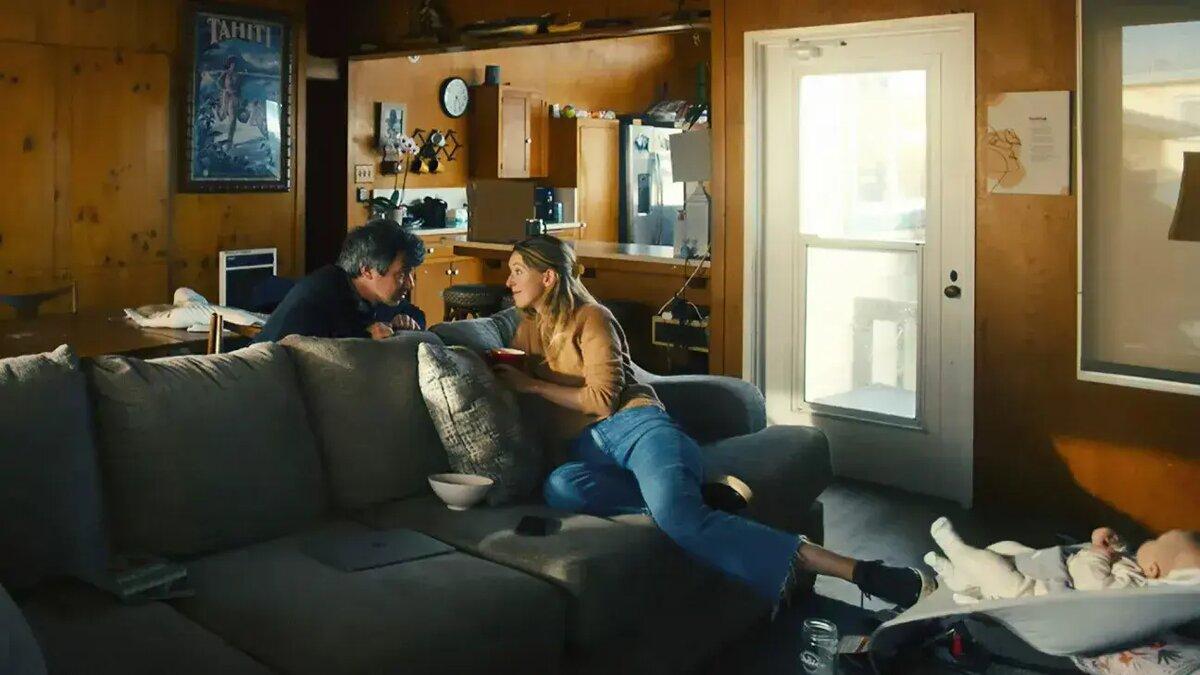
David Bolen, cinematographer for the documentary “You Can See Everything,” discussed Billy Evans’ nude shower scene and tensions among the filmmaking team at a Q&A in Poland after a screening of the film.
“This is the craziest Q&A of all time,” Bolen told the audience as the conversation ran for more than an hour.
Bolen on the shower scene
Audience members asked Bolen about the scene showing Evans, the partner of documentary subject Elizabeth Holmes, naked in a shower. He said the moment reflected the film’s interest in how its subjects presented themselves.
“That scene is really interesting because, for us as filmmakers, it’s like, this is truly a scene that depicts you can see everything,” Bolen said. “We’re not trying to hide anything.”
Bolen said he did not know the full context of how the scene was handled. He suggested decisions about its inclusion belonged to director Nathan Fielder and the editor, and said he believed the scene had a purpose beyond shock value.
In footage from a CBS Sunday Morning interview released the same day, Evans said he had not consented to being fully nude and had asked the filmmakers to pixelate the scene. Bolen did not address those concerns directly during the Q&A.
Filming had tense moments
Bolen acknowledged tension between Evans and the directors during filming and after the documentary was completed. “It was sometimes a tense environment,” he said.
He described keeping his distance from the situation, saying his conversations with Holmes and Evans were generally limited to pleasantries. When tensions rose, he said, “I really tried to stay out of the situation as much as possible.”
Asked whether Evans had seen the documentary before its release, Bolen said he was not the main person in contact with him. He believed Fielder and director Lance Oppenheim had a tense relationship with Evans as the film came out, and that Evans saw it after release.
Close-ups grew out of filming
Bolen also described how the documentary’s extreme close-ups developed during production. Oppenheim suggested moving in closer during a scene in which Fielder talks with Evans about how he met Holmes.
“We were like, ‘Whoa, that’s really interesting,’” Bolen said. He said close framing helped the filmmakers try to understand what was happening between the people on screen, while acknowledging that it might feel claustrophobic.
Fielder had not initially planned to appear in the documentary, Bolen said. The camera gradually turned toward him during scenes that otherwise showed Holmes and Evans at home.
Bolen also recalled filming the scene in which Evans takes a bowl of eggs from Holmes so he can whisk them. He said using three cameras helped the team cover moments when one camera missed a shot.
 Take the quizWhat Kind of Holiday Spender Are You? Take the Black Friday QuizStart →
- 1U.S. Emergency Alert Test Nov. 17 Is Not a Power Outage

- 2DUP Chairman Lord Morrow Loses Wife and Daughter Within Hours in NI

- 3NASA’s Curiosity Rover Burst Open a Rock and Found Pure Sulfur

- 4Women With Autoimmune Diseases Wait About 4 Years for Diagnosis, Study Finds

- 5Stock Market Today: Dow Futures Slip as Nasdaq Futures Climb Before Earnings
 Lifestyle7 Signs Your Social Battery Is Running Low (and Why You Keep Cancelling Plans)
 Lifestyle · Food & HealthThanksgiving Food Safety: How Long Leftovers Last and the Safe Turkey Temperature
 Lifestyle7 Quiet Habits of Emotionally Intelligent People, According to Psychologists
 LifestylePeople Who Don’t Like Celebrating Their Birthday Often Share These 7 Traits