Muncar Study Finds Half of Shark Catch Threatened
Threatened species made up 50% of recorded shark catches at Muncar, Indonesia, a study found. Researchers identified longline vessels as a major source of those catches and tested payments to fishers who released sharks alive.
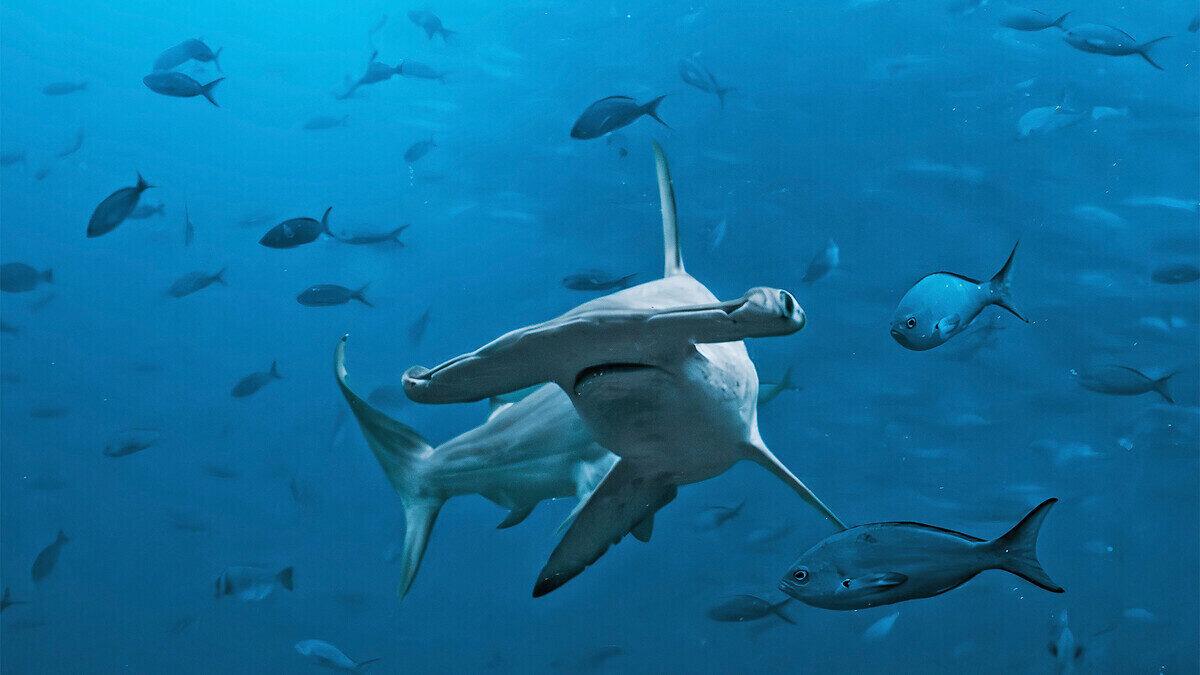
A 2026 study found that threatened species made up 50% of recorded shark catches at Muncar, Indonesia, from 2023 to 2024. The findings expose pressure on shark populations in the world’s top shark-fishing nation.
Researchers combined catch records, fisher interviews, landing data and GPS information to examine where and how sharks were caught. Their study appeared in the journal Oryx.
The threatened species were classified on the Red List of the International Union for Conservation of Nature, a global wildlife conservation authority. A third of the species recorded were listed under the Convention on International Trade in Endangered Species, which regulates global wildlife trade.
Longline vessels caught most threatened sharks
Critically endangered scalloped hammerheads accounted for 11.7% of recorded catches. Other frequently caught species included silky, spinner and blacktip reef sharks, all listed as vulnerable, and the endangered pelagic thresher shark.
International trade in all five species is highly restricted under the wildlife trade convention.
Longlines, which use kilometers-long lines of baited hooks, emerged as a particular concern. Only 14 of the 127 vessels researchers recorded operating from Muncar used them.
Those vessels specialized in shark fishing and operated across a wider region. They accounted for the highest number of threatened sharks landed at the port.
Other vessels mainly targeted fish such as tuna and marlin, catching sharks unintentionally alongside them. That unintentional catch is known as bycatch.
Osmaleli, the study’s corresponding author and a researcher at the Bogor Institute of Agriculture, said bycatch adds pressure to shark populations threatened with extinction. “Sharks are predators, so they play an important role in maintaining the balance of marine ecosystems,” she said.
Payments for releases had limited success
Shark fishing has passed through generations in Muncar, Osmaleli said. The meat is usually eaten locally, while fins and other valuable products are sold to traders.
Some fishers owe money to those traders, making it harder to give up shark catches as a source of income, said co-author Muhammad Ghozaly Salim. He leads Mobula Project Indonesia, a local nonprofit involved in the study.
From February to September 2025, researchers paid fishers to release live sharks caught as bycatch. Payments were based on the sharks’ market value, and cameras on vessels verified releases.
Few releases succeeded. Osmaleli said sharks can die quickly once hauled aboard. The payments ended when the research funding period concluded.
Future research will examine the social and economic factors behind shark fishing, including fishers’ views of threatened species and the contribution of shark catches to their livelihoods.
 Take the quizWhat Kind of Holiday Spender Are You? Take the Black Friday QuizStart →
- 1Gold Silver Price November: Futures Rise Near Yearly Lows

- 2Michael Clarke Says Sandpapergate Scars Drew Steve Smith to New York

- 3U.S. Emergency Alert Test Nov. 17 Is Not a Power Outage

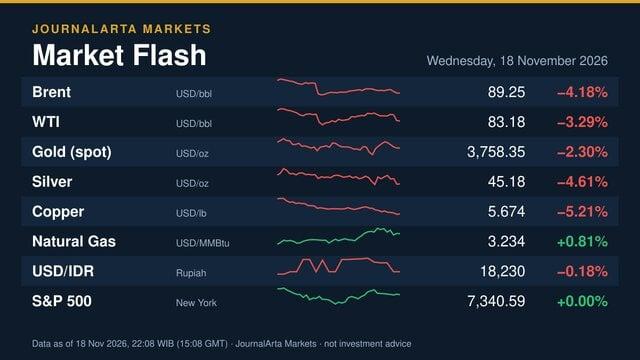
- 4Brent Crude Slides 4.05% as Rising US Stockpiles Weigh on Oil
- 52027 NFL Mock Draft Puts Ohio State’s Jeremiah Smith at No. 1

 Lifestyle · Food & HealthWhat Is Raynaud’s Syndrome? Why Fingers Turn White in the Cold
 Lifestyle · Food & Health4 Ways Walking After Meals Helps Your Body, Doctors Say
 Lifestyle · Food & Health4 Reasons to Eat Oatmeal, According to Nutrition Experts
 Lifestyle7 Signs Your Social Battery Is Running Low (and Why You Keep Cancelling Plans)