Australians Abandon Job Hunt as Unemployment Hits 4.9%
Australia’s unemployment rate reached a five-year high in October as the economy lost 43,500 jobs. A falling participation rate suggests some people have stopped looking for work, while economists differ over the risk of recession and the outlook for interest rates.
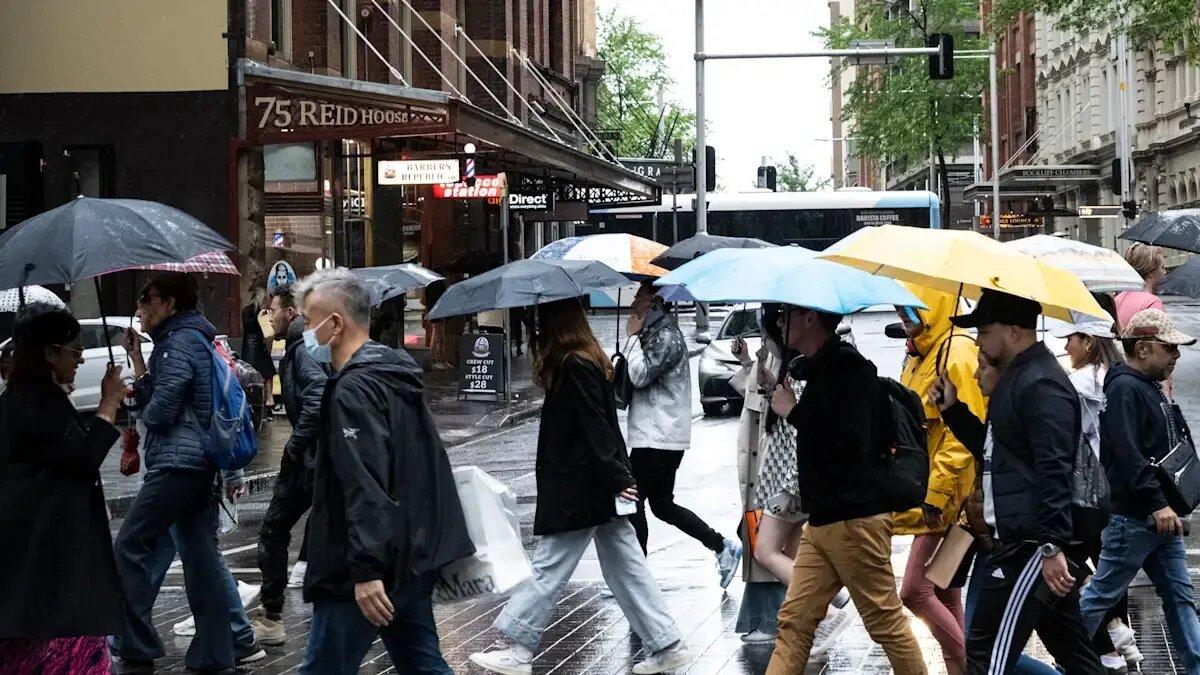
Australians are abandoning the job hunt as unemployment rose to 4.9% in October, its highest level in five years. The economy lost 43,500 jobs, while a falling participation rate suggested fewer people were working or actively seeking work.
The October losses followed a decline of 36,400 jobs in September. The participation rate fell another 0.2 percentage points to 66.6%.
Swinburne economist Dr. Jason Tian said the unemployment rate may not fully capture the damage. People who stop looking for work fall out of the labor force, he said.
“This is another worrying sign and doesn’t truly reflect how bad the employment status is,” Tian said.
Part-time workers bear job losses
Most recent job losses have been part-time positions in retail, hospitality and care, Tian said. Youth unemployment stands at 11.3%, while borrowers face the highest cash rate in 18 years.
Tian said Australia was not currently in a recession, although the risk was “very real.” He said gross domestic product, a measure of economic output, was still growing, but only just.
Workplace Minister Amanda Rishworth played down recession concerns. “The RBA and the Treasury are not forecasting a recession, and I don’t have any reason to dispute that,” she said.
The Reserve Bank of Australia, or RBA, sets the country’s cash rate. Governor Michele Bullock had warned that higher rates were “going to make people feel like it’s a recession,” Tian said.
Economist warns of recession signal
Independent economist Saul Eslake said the three-month average unemployment rate was 0.6 percentage points above its lowest level in the past year. He said the October result brought Australia closer to a recession.
Under an Australian version of the Sahm recession rule, a rise of one percentage point signals recession conditions. The rule has identified every US recession since 1970.
Eslake warned that Australia could trigger the indicator by January or February if unemployment kept rising at its current pace.
December rate increase seen as unlikely
The jobs figures make another interest rate increase at the RBA’s December meeting highly unlikely. Eslake said they reduced the likelihood of a rise, although other data before the meeting could change that assessment.
Canstar data insights director Sally Tindall said the numbers “cement one outcome: the board will not be hiking at its next meeting in December”.
December’s meeting will be the central bank’s last of the year. It will return in February, when Eslake puts the chance of a sixth rate increase at 50%.
 Take the quizWhat Kind of Holiday Spender Are You? Take the Black Friday QuizStart →



 Lifestyle · Food & HealthNormal Blood Pressure Chart by Age: Healthy Ranges Explained
 Lifestyle · Food & HealthWhat Is Raynaud’s Syndrome? Why Fingers Turn White in the Cold
 Lifestyle · Food & Health4 Ways Walking After Meals Helps Your Body, Doctors Say
 Lifestyle · Food & Health4 Reasons to Eat Oatmeal, According to Nutrition Experts