Iron Deficiency Can Go Undetected in Healthy People
Iron deficiency affects more than a billion people worldwide, and symptoms can be vague or absent. Experts say common blood tests may miss early changes in iron levels, while inflammation can complicate the interpretation of another measure, ferritin.
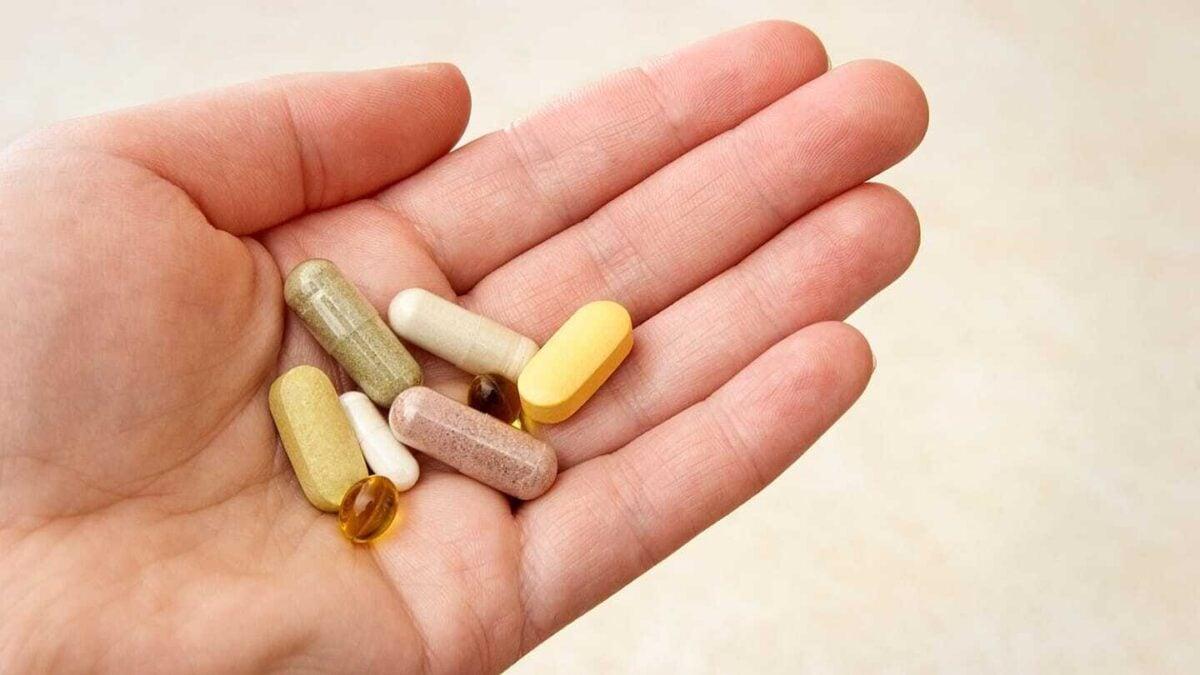
Iron deficiency affects more than a billion people worldwide, including people who appear healthy. Symptoms can be vague or absent, and experts say common blood tests may miss the condition in its early stages.
Iron helps the body make hemoglobin, a protein in red blood cells that carries oxygen. It also helps produce myoglobin, which supplies oxygen to muscles, and supports energy production, immune function, growth and brain development.
People with too little iron may feel tired or struggle to concentrate. As iron stores run out, the deficiency can progress to iron deficiency anemia, making it harder for blood to transport oxygen.
Some Groups Face Higher Risk
Teen girls and women with heavy periods face a higher risk of iron deficiency. Pregnant women, fetuses, infants and children need extra iron for growth and development, which diet alone cannot always provide.
Older people can become deficient because of intestinal bleeding or chronic health problems. A 2022 study found iron deficiency was fairly common among relatively healthy older adults in Europe.
People aged 80 or older in Austria and Portugal faced the highest risk in that study. Diets low in red meat or other iron-rich foods can also contribute to deficiency.
Frequent blood donors can become deficient, although they are usually tested before giving blood, said Hal Drakesmith, a professor of iron biology at the University of Oxford.
Iron deficiency can take time to develop because people do not lose all their iron at once, Drakesmith said. Its common symptoms are also not specific to the condition.
Blood Tests Have Limits
Routine screening for iron deficiency is rare, even among higher-risk groups, said Elaine McCarthy, senior lecturer in nutrition at University College Cork in Ireland. Blood checks during pregnancy typically measure hemoglobin.
Hemoglobin is a late-stage indicator of changes in iron status, McCarthy said. She advocates testing both hemoglobin and ferritin, a protein that stores iron and can indicate earlier changes.
In September, the American Society of Hematology issued guidance suggesting a higher ferritin threshold for diagnosing iron deficiency. It recommended 30 micrograms per liter or lower for adults, pregnant women and those with periods, instead of 15 micrograms per liter.
The threshold is consistent with European Crohn’s and Colitis Organisation recommendations. Drakesmith said the appropriate cutoff has not been settled globally.
Ferritin tests can also miss deficiency in people with inflammatory conditions such as chronic kidney disease. Inflammation can raise ferritin levels even when iron stores are low.
Under the European recommendations, people with inflammatory conditions may have ferritin levels up to 100 micrograms per liter and still be iron deficient.
Supplements can often correct a deficiency if its underlying cause is identified and addressed. They can also cause constipation and stomach pain, Drakesmith said.
McCarthy cautioned against taking supplements without a diagnosis of iron deficiency or iron deficiency anemia. “High-dose iron supplements can be dangerous if your body doesn’t actually need the iron,” she said.
 Take the quizWhat Kind of Holiday Spender Are You? Take the Black Friday QuizStart →





 Lifestyle · Food & HealthNormal Blood Pressure Chart by Age: Healthy Ranges Explained
 Lifestyle · Food & HealthWhat Is Raynaud’s Syndrome? Why Fingers Turn White in the Cold
 Lifestyle · Food & Health4 Ways Walking After Meals Helps Your Body, Doctors Say
 Lifestyle · Food & Health4 Reasons to Eat Oatmeal, According to Nutrition Experts