European Union and Britain Strike Post-Brexit Deal
Britain and the European Union have concluded a deal covering food trade, youth mobility and carbon pricing. EU and British officials disagree, however, over whether the agreement can take effect without a separate settlement on university tuition fees.
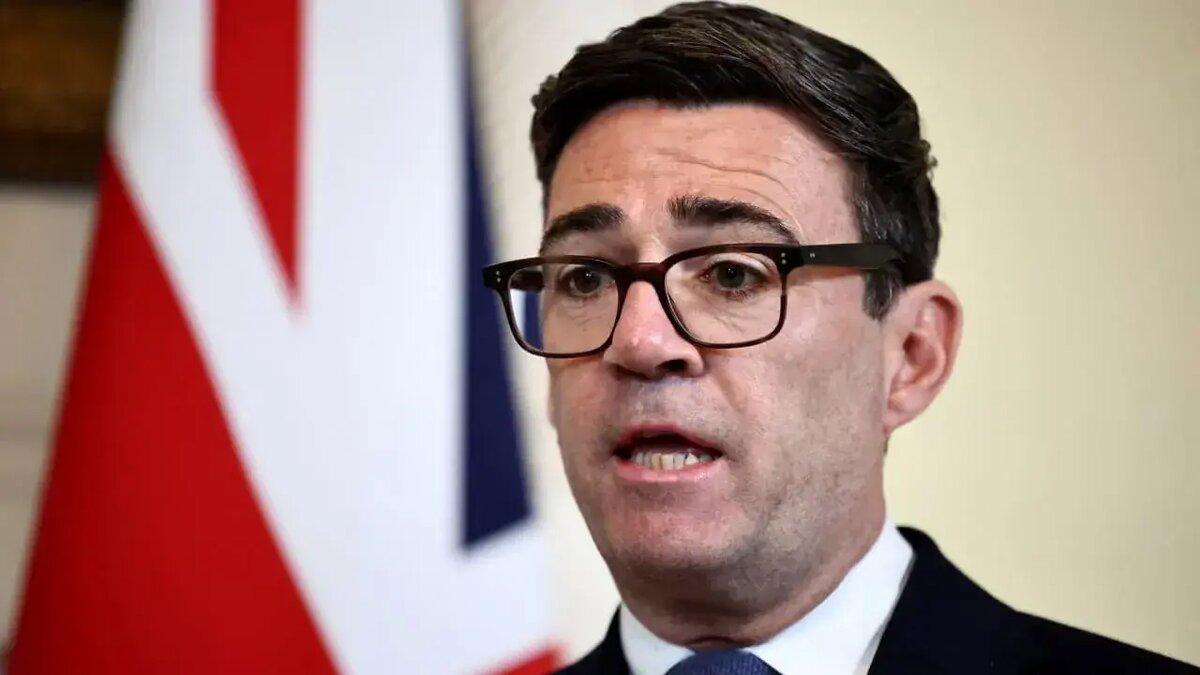
Britain and the European Union have concluded a deal to ease some post-Brexit barriers on trade and movement. The agreement covers food and farming exports, youth mobility and carbon emissions pricing, but officials disagree over a condition involving university tuition fees.
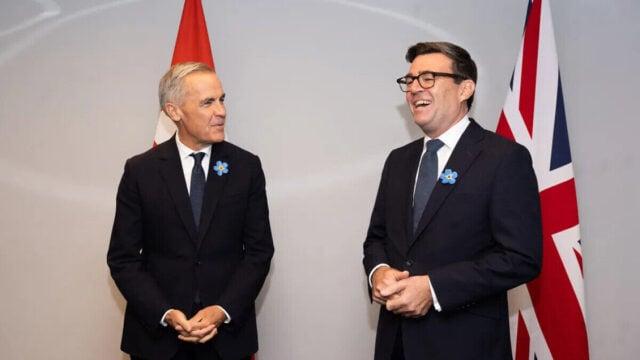
The deal was announced less than an hour after British Prime Minister Andy Burnham arrived at the European Council headquarters in Brussels for a summit with the 27-member bloc.
It aims to reverse many trade barriers created by Britain’s 2020 Brexit without rejoining the EU, its customs union or its single market.
A Downing Street spokesperson said negotiations had concluded and both sides would work toward implementing the youth mobility, food and farming, and emissions trading agreements.
The spokesperson said the two sides had agreed when the measures would take effect. Those dates will appear in a joint statement to be published later, the spokesperson said.
Each side must complete its own legal process for the agreements. Talks will continue in some areas, according to Downing Street.
EU officials said the deal, due to take effect in spring 2028, depends on Britain reducing annual tuition fees for European students to the level paid by British students.
British students currently pay $12,822 in England and Wales and $2,383 in Scotland, compared with $19,650 to $91,700 for overseas students.
Britain has six months to agree to the change or work with the EU on an alternative.
British officials rejected the EU position. They said the tuition issue was separate and that the food and farming agreements would take effect in March 2028 regardless of whether the sides reached a tuition deal.
UK officials also said the sides had agreed in principle that Britain could join the EU’s planned “Made in Europe” law. The proposal would favor European-made goods in procurement, drawing on the bloc’s $2.2 trillion procurement budget.
Reform UK leader Nigel Farage, who led the campaign to leave the EU, criticized the deal in Brussels. He called it a “very, very expensive and costly error” and said Burnham lacked a “democratic mandate to do any of this.”
Conservative Party leader Kemi Badenoch said smoother trade with the EU was desirable, but “not trade at any cost.” She called leaving the bloc while still following its rules the “worst of both worlds.”
 Take the quizWhat Kind of Holiday Spender Are You? Take the Black Friday QuizStart →



 Lifestyle · Food & HealthNormal Blood Pressure Chart by Age: Healthy Ranges Explained
 Lifestyle · Food & HealthWhat Is Raynaud’s Syndrome? Why Fingers Turn White in the Cold
 Lifestyle · Food & Health4 Ways Walking After Meals Helps Your Body, Doctors Say
 Lifestyle · Food & Health4 Reasons to Eat Oatmeal, According to Nutrition Experts