Made in Europe Plan Risks Hurting EU Automakers, Türkiye Says
Türkiye’s trade minister says excluding the country from proposed European manufacturing incentives would hurt automakers and suppliers. Ankara is pressing the European Union to recognize its customs union as talks continue over restrictions affecting electric vehicles, public procurement and financing.
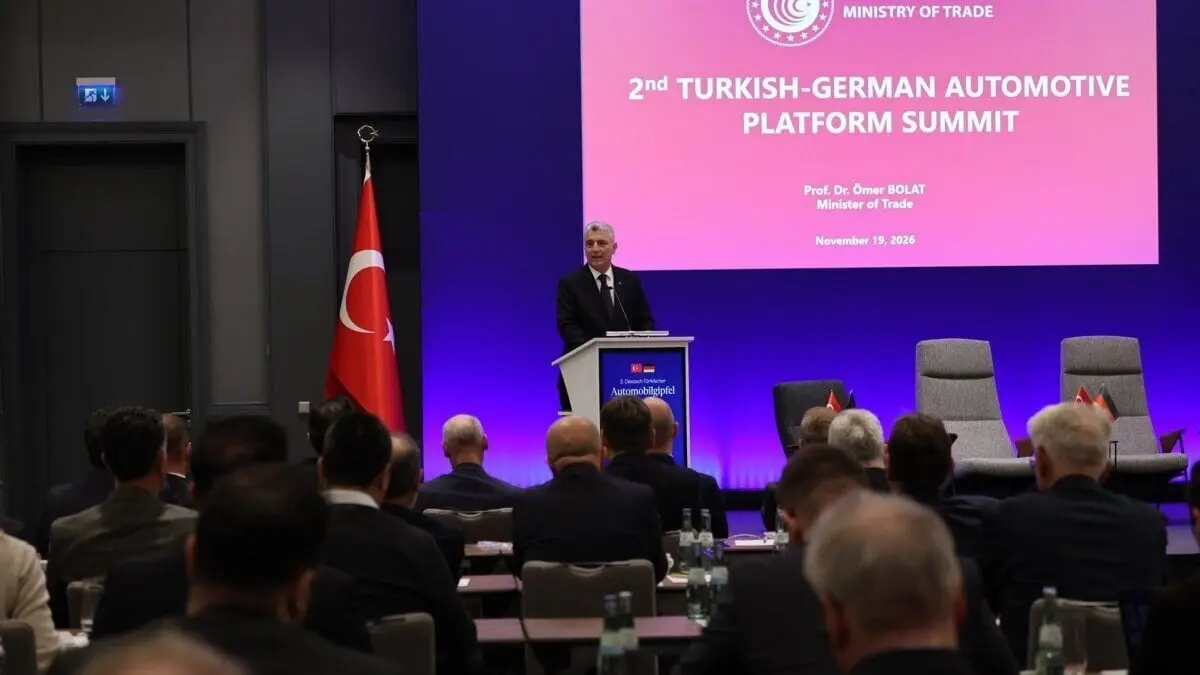
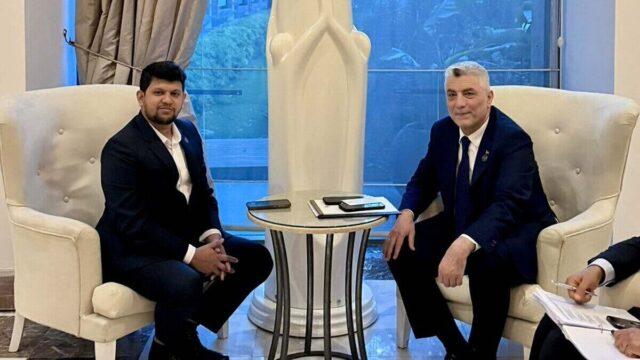
Türkiye has warned that excluding it from the European Union’s Made in Europe plan would hurt automakers and suppliers. Trade Minister Ömer Bolat said the rules could reduce investment in Türkiye and weaken production ties with European companies.
The stakes extend across borders. Türkiye is the EU’s third-largest vehicle export market and a production location for automakers including Ford.
The EU is developing industrial measures to support competitiveness and protect local manufacturers from low-cost imports. Those include Chinese-made cars, which are gaining popularity as the region shifts to electric vehicles.
France and Germany are pursuing a definition of Made in Europe that would cover the EU’s 27 member states and extend special status to Britain.
Speaking at an industry event in Berlin, Bolat said exclusion would mean fewer new investments in Türkiye and a smaller market for European suppliers and vehicle makers. He also warned of damage to production chains built over the past three decades.
“Europeans have invested $25 billion in Türkiye’s automotive industry,” Bolat said. He said they account for about 75% of investment, production, exports and imports.
Türkiye Seeks Access to Incentives
Bolat said the European Commission’s March 4 draft included customs union partners in the Made in EU proposal. Talks continue over possible restrictions on imported vehicles.
Those discussions cover electric car sales, public procurement, fleet incentives and loan programs for lower-emission vehicles, he said. Turkish companies are seeking access to future EU incentives.
Bolat urged the EU to recognize Türkiye’s position as a trade partner and honor its customs union with the bloc, which took effect in 1996. He also cited a separate free trade agreement covering iron and steel.
Zeki Şafak Ozan, a board member of Türkiye’s OIB automotive exporters’ association, said concluding EU talks by the end of the year seemed unrealistic. He pointed instead to early next year.
Bolat said Turkish officials had held nearly 100 meetings and visits in Brussels and EU member states over the past year. He said he had visited Brussels five times this year, including three visits in the past four months.
He also met Ford of Europe representatives as Türkiye sought support from European manufacturers with investments in the country.
Ford Warns Against Exclusions
Ford in Europe President Jim Baumbick said excluding Türkiye, Britain and Morocco would damage the EU’s auto industry rather than strengthen it against Chinese competition.
Bolat said he would present Türkiye’s position at the automotive summit and discuss it with German Economy and Energy Minister Katherina Reiche.
He also cited the EU’s carbon border adjustment mechanism and plans to halve steel import quotas as concerns for Turkish industry.
Germany is Türkiye’s largest export market and its third-largest source of imports after China and Russia, Bolat said. Bilateral trade reached $52 billion last year, including $22 billion in Turkish exports and $30 billion in imports from Germany.
More than 8,000 German companies operate in Türkiye, with approximately $26 billion invested across sectors including manufacturing, energy and finance, Bolat said.
 Take the quizWhat Kind of Holiday Spender Are You? Take the Black Friday QuizStart →





 Lifestyle · Food & HealthNormal Blood Pressure Chart by Age: Healthy Ranges Explained
 Lifestyle · Food & HealthWhat Is Raynaud’s Syndrome? Why Fingers Turn White in the Cold
 Lifestyle · Food & Health4 Ways Walking After Meals Helps Your Body, Doctors Say
 Lifestyle · Food & Health4 Reasons to Eat Oatmeal, According to Nutrition Experts