UK and EU Agree to Link Carbon Markets
Britain and the European Union have agreed to link their carbon markets, allowing emissions permits from either system to be used in both. The deal still needs ratification and technical work, and industry groups say it could reduce costs associated with carbon border charges.
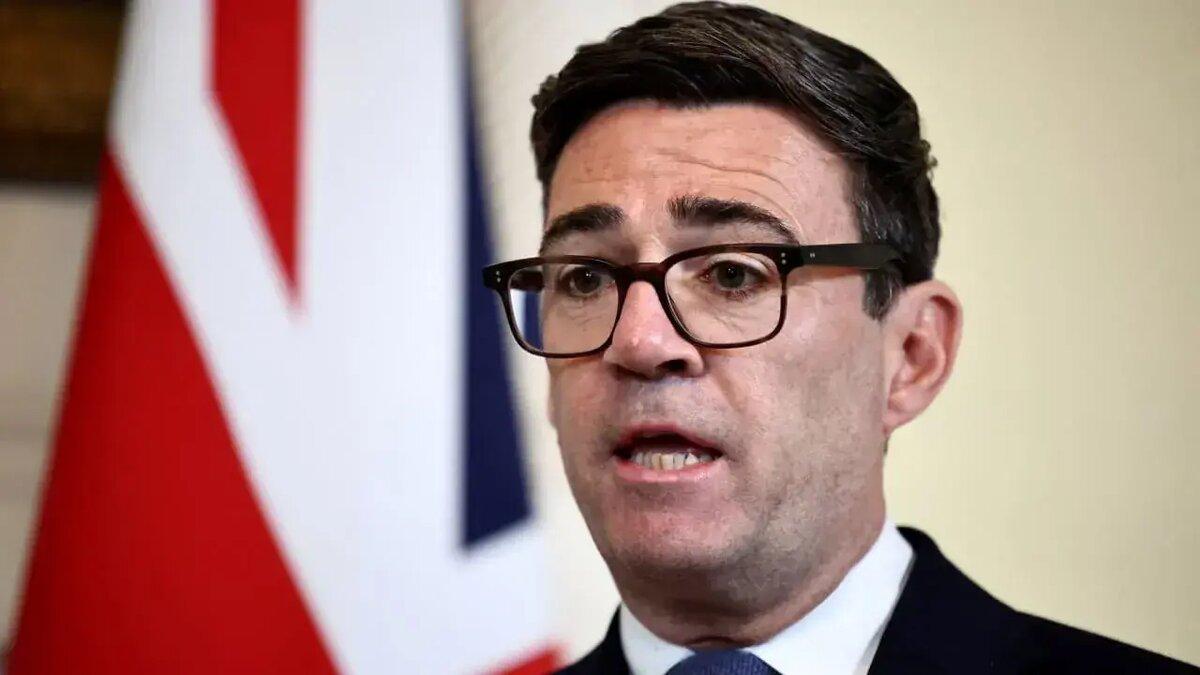
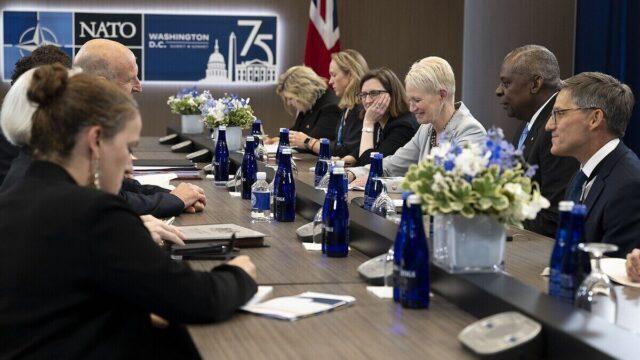
Britain and the European Union have agreed to link their carbon markets, letting companies use emissions permits from either system in both. The deal, reached at an EU-UK summit on November 20, could also help businesses avoid carbon charges on goods traded between the two markets.
The link is not yet in force. Both sides must ratify the agreement, and technical and legal steps remain.
How the carbon markets work
Each emissions trading system sets a gradually declining limit on pollution from covered sectors. Companies must buy or hold permits for each metric ton of carbon dioxide they emit.
Both systems cover power generation, industry, aviation and shipping. The EU scheme covers around 40% of the bloc’s emissions; the UK system covers around 25% of Britain’s emissions.
Europe’s market began in 2005 and included Britain until the end of 2020, after it left the European Union. Britain launched its replacement system in 2021.
The EU scheme also includes Iceland, Liechtenstein and Norway. It applies to electricity generation in Northern Ireland under the Brexit protocol.
Once the systems are linked, an allowance from either market can be used to meet obligations in the other. Linking would increase liquidity in both markets and could allow companies to avoid each side’s carbon border charges.
Trade charges and permit prices
The EU’s Carbon Border Adjustment Mechanism took effect in January 2026. It imposes an emissions fee on imports of steel, cement, aluminum, fertilizers, electricity and hydrogen.
Britain plans to launch its own equivalent on January 1, 2027. It will cover the same sectors except electricity.
The UK government has said the EU charge currently applies to £7 billion ($9 billion) worth of British exports to the bloc. Industry group Energy UK says linking the markets could save UK industry around £800 million a year.
Energy UK also says a link would prevent competitive distortions and reduce costs for consumers in both markets. Opposition Conservative leader Kemi Badenoch argues that carbon levies have harmed British industries and wants to remove them entirely.
The benchmark EU carbon contract was trading around €82 ($90) per metric ton, while the UK contract was around £60/ton ($79). Analysts have said the price difference will close once linking begins.
British fossil fuel power generators also pay an extra £18/ton carbon tax. The government has signaled that the tax will end in April 2028.
Under EU rules, the markets must be fully linked before Britain can receive an exemption from the EU border mechanism.
 Take the quizWhat Kind of Holiday Spender Are You? Take the Black Friday QuizStart →





 Lifestyle · Food & HealthNormal Blood Pressure Chart by Age: Healthy Ranges Explained
 Lifestyle · Food & HealthWhat Is Raynaud’s Syndrome? Why Fingers Turn White in the Cold
 Lifestyle · Food & Health4 Ways Walking After Meals Helps Your Body, Doctors Say
 Lifestyle · Food & Health4 Reasons to Eat Oatmeal, According to Nutrition Experts