Alan Crawford’s Heart Transplant Offers Hope for Research
Eight years after Alan Crawford received a donor heart in Sydney, researchers are investigating whether damaged hearts could one day repair themselves. Scientist Nicholas Lam says the work remains experimental, while donor shortages and the demands of transplant surgery limit options for patients.
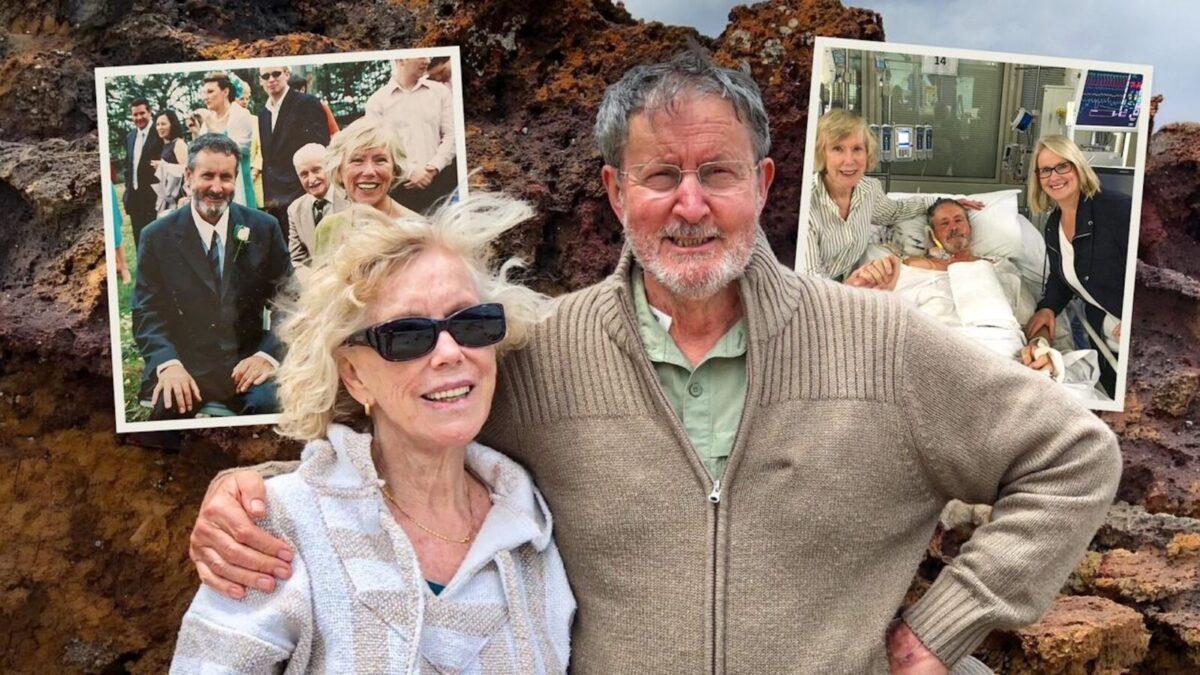
Alan Crawford received a donor heart in Sydney after his failing heart was pumping at just 10 percent capacity. Eight years later, researchers are investigating whether damaged hearts could one day repair themselves, potentially offering another option for some patients.
Crawford, now 76, says his transplanted heart has allowed him to walk 10,000 steps a day, mow his lawn and help friends with gardening.
“It’s like having a V8 put in an old V-dub,” he said of the transplant.
His recovery also allowed him to care for his wife, Barbara, after a serious fall. She died in 2025 after 54 years of marriage, having spent her final two years at home in his care.
A donor heart reached Crawford
Crawford’s heart problems began in his mid-40s with an irregular heartbeat. He had a stroke at 50 and later developed dilated cardiomyopathy, a condition that enlarged and weakened his heart.
An implanted defibrillator shocked his heart when it developed potentially fatal rhythms. It fired 26 times over the years, sometimes causing him to fall without warning.
The episodes forced him to retire from his bronze foundry business. It produced castings used for the World War I soldier statues on Sydney’s Anzac Bridge.
In 2018, doctors transferred Crawford from Royal Prince Alfred Hospital to St Vincent’s in Sydney. They told him a transplant was his only chance of survival.
A donor heart became available within days, before he had formally joined the transplant waiting list. The organ traveled in a machine that kept it beating and supplied it with oxygenated blood.
Crawford was the 26th person to receive a heart transported using the technology. He said he was the first to receive one examined by angiogram while it was in the machine.
The examination confirmed the heart was healthy despite the donor’s family history of heart disease. Crawford left the hospital 13 days after surgery.
Scientists study heart regeneration
In 2025, Australia performed 125 heart transplants, while an estimated 420,000 Australians lived with heart failure. Not all people with heart failure need a transplant.
Transplant recipients must be healthy enough for major surgery and take lifelong medication to prevent rejection. Donor organs are also in short supply.
Heart Research Institute scientist Nicholas Lam is investigating ways to encourage damaged hearts to repair themselves. He established the institute’s Cardiac Biology and Regeneration Lab after returning from the United States.
Adult human hearts have very limited ability to replace muscle cells lost during a heart attack. Zebrafish and newborn mice, however, can regenerate heart tissue.
Lam’s team is identifying genes active during that early regenerative period. The researchers are using modified RNA technology to try to reactivate those genes in adult heart muscle cells.
The approach aims to prompt the cells to divide and replace damaged tissue. Lam cautioned that the work remains experimental and that researchers have not fully regenerated a damaged adult heart.
He said a new treatment could emerge in the next 10 to 15 years.
 Take the quizWhat Kind of Holiday Spender Are You? Take the Black Friday QuizStart →


 Markets · FintechHow to Calculate Compound Interest: Formula, Examples and the Rule of 72
 Lifestyle · Food & HealthNormal Blood Pressure Chart by Age: Healthy Ranges Explained
 Lifestyle · Food & HealthWhat Is Raynaud’s Syndrome? Why Fingers Turn White in the Cold
 Lifestyle · Food & Health4 Ways Walking After Meals Helps Your Body, Doctors Say