DR Congo Ebola Fight Hit by Insecurity and Remote Terrain
Health workers fighting the Democratic Republic of the Congo’s deadliest Ebola outbreak face dangerous journeys, attacks and distrust in remote communities. Handicap International says more than 5,500 people have died, while vaccine trials offer a possible new tool against the virus.
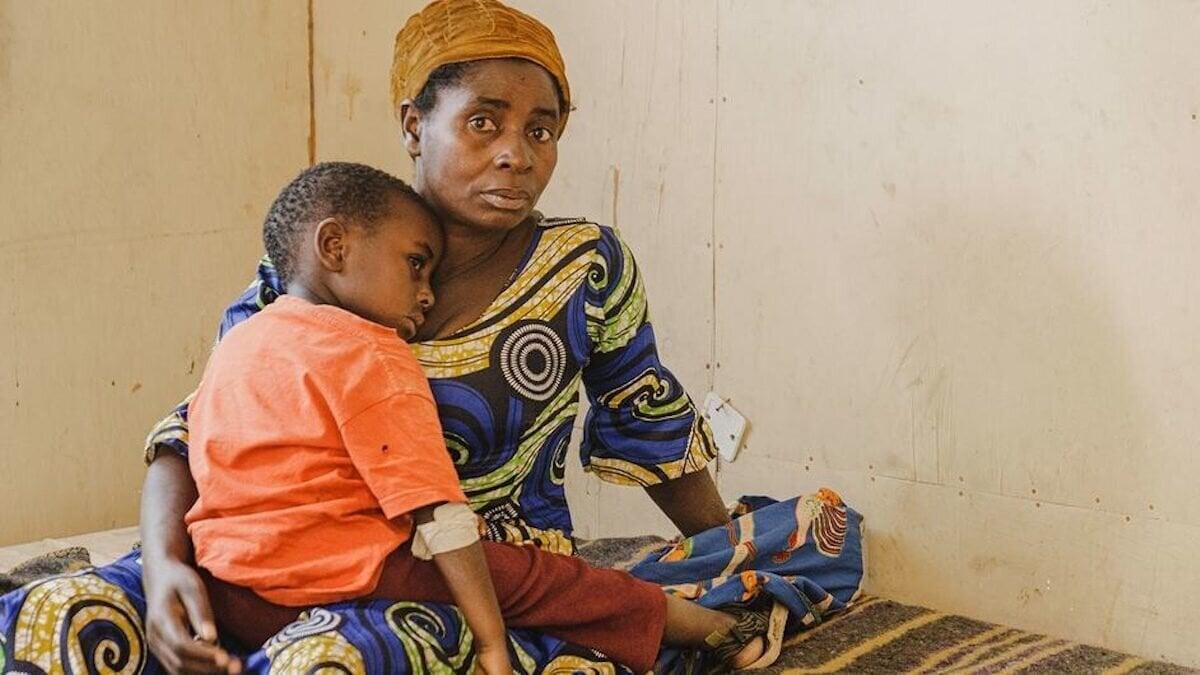
Health workers fighting Ebola in the Democratic Republic of the Congo face remote terrain, violence and distrust, Handicap International says. The outbreak has killed more than 5,500 people and spread to eight provinces, complicating efforts to reach affected communities.
Cases are still rising. “We are seeing 500 new cases a week,” said Jerome Bertrand, who heads emergency deployments for the France-based aid organization.
Bertrand recently returned from Ituri, the eastern province where the country’s 17th Ebola outbreak was first declared. Infections have since created small epicenters in remote areas of tropical rainforest, he said.
Vaccine Deliveries Face Long Journeys
The World Health Organization has begun trials of two new vaccines against the Bundibugyo species of Ebola responsible for the outbreak. Getting vaccines to the front line will take weeks.
If the vaccines succeed, Bertrand said, deliveries will require refrigerated vehicles to maintain the cold chain all the way to areas without electricity.
Roads present another obstacle. Bertrand said convoys can take two to four weeks because of crevasses and bogs during the rainy season. Collapsed bridges also obstruct travel through a region crossed by rivers and streams.
Handicap International supplies medicines, protective equipment and sanitary supplies. The organization has three decades of experience in eastern Congo.
Attacks Threaten Health Workers
Insecurity adds to the logistical challenge. The region has long experienced conflict involving the army, armed groups and local militias.
Since the outbreak was declared in May, Bertrand said, 80 security incidents targeting health care staff have been recorded. He said the incidents resulted in deaths.
Handicap International employs more than 130 people, mainly locals, to help it operate in the area. Bertrand said the organization has contacts with nearly every armed group, helping its workers pass through checkpoints.
It has no such contact with the Allied Democratic Forces. The militia, which is allied to the Daesh group, has killed at least 110 civilians in Ituri since the beginning of November.
Distrust Complicates Safe Funerals
Some communities distrust or resist aid groups and authorities, particularly where the Congolese state has long been absent. Bertrand said that can make residents reluctant to follow advice about protecting themselves.
Ebola spreads through contact with infected bodily fluids. Funeral customs can involve washing the dead and touching them during vigils that sometimes last several days.
Bertrand said the virus is most contagious after a person has died. “We must educate families on how to hold dignified yet safe funerals,” he said.
 Take the quizWhat Kind of Holiday Spender Are You? Take the Black Friday QuizStart →




 Markets · FintechHow to Calculate Compound Interest: Formula, Examples and the Rule of 72
 Lifestyle · Food & HealthNormal Blood Pressure Chart by Age: Healthy Ranges Explained
 Lifestyle · Food & HealthWhat Is Raynaud’s Syndrome? Why Fingers Turn White in the Cold
 Lifestyle · Food & Health4 Ways Walking After Meals Helps Your Body, Doctors Say