UK and EU Strike Deal to Ease Food Trade, Expand Youth Travel
The UK and European Union have agreed to reduce food-trade checks and develop a youth travel scheme after a summit in Brussels. The package also covers carbon markets and law enforcement, though tuition fees remain unresolved and opposition leaders have criticized the terms.
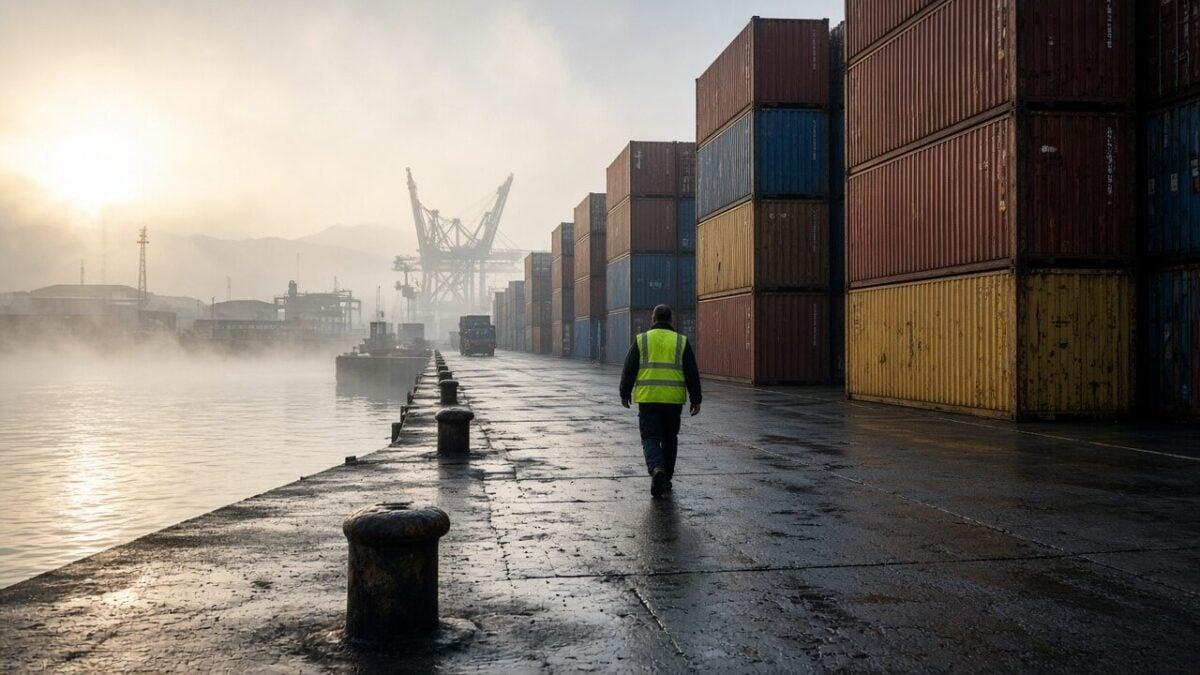
The UK and European Union have struck a post-Brexit deal to ease food trade and create work and travel opportunities for up to 200,000 young people, leaders announced at a summit in Brussels. The agreements also cover carbon markets and law enforcement.
Most checks on British food exports would end starting in 2028. In return, the UK would follow some EU rules, including closer alignment on food safety and animal health.
European Commission President Ursula von der Leyen said the trade agreement would mean “more choice for the customers.”
Youth scheme targets January 2030
The proposed youth scheme would allow up to 100,000 people aged 18 to 31 from each side to travel, work and study across the UK and EU. Participants could stay for up to three years.
The two sides aim to make the scheme available by January 2030. Tuition fees remain unresolved, with six months set aside for discussions on an agreement covering students from both sides.
The EU has sought to reduce fees for EU students at British universities to the level paid by British students. Von der Leyen also said Britain would rejoin Erasmus+, the student exchange program.
UK Prime Minister Andy Burnham said the agreements were made with young people in mind. “This deal is for you. This deal really is about lifting your life chances,” he said.
Carbon markets and border cooperation
The UK and EU concluded talks on linking their emissions trading systems, which govern allowances for carbon emissions. They aim to apply the agreement in 2028.
The arrangement would let each side recognize the other's carbon allowances and exempt traded goods from carbon border taxes. Von der Leyen said it would reduce emissions and generate investment in cleaner industries.
Leaders also committed to closer cooperation against migrant smuggling and human trafficking, including more data sharing between law enforcement agencies. The two sides agreed to launch formal talks on economic security and strengthen cooperation on export controls and supply chains.
Opposition leaders dispute deal
Burnham said Treasury analysis estimated that the deal could add up to 0.5% to UK gross domestic product. Conservative leader Kemi Badenoch disputed the estimate, saying she had seen modeling that put the impact at 0%.
Badenoch criticized the deal over regulatory alignment and competition for young people's jobs. Reform UK leader Nigel Farage called it a betrayal, while Liberal Democrat leader Ed Davey said the changes did not go far enough.
Burnham said the UK and EU would informally explore options for a closer long-term relationship before their next summit. He said the package was likely the limit of what could be implemented during this Parliament.
Legislation to implement the agreements is expected to be introduced in the UK Parliament.
 Take the quizWhat Kind of Holiday Spender Are You? Take the Black Friday QuizStart →



 Markets · FintechHow to Calculate Compound Interest: Formula, Examples and the Rule of 72
 Lifestyle · Food & HealthNormal Blood Pressure Chart by Age: Healthy Ranges Explained
 Lifestyle · Food & HealthWhat Is Raynaud’s Syndrome? Why Fingers Turn White in the Cold
 Lifestyle · Food & Health4 Ways Walking After Meals Helps Your Body, Doctors Say